
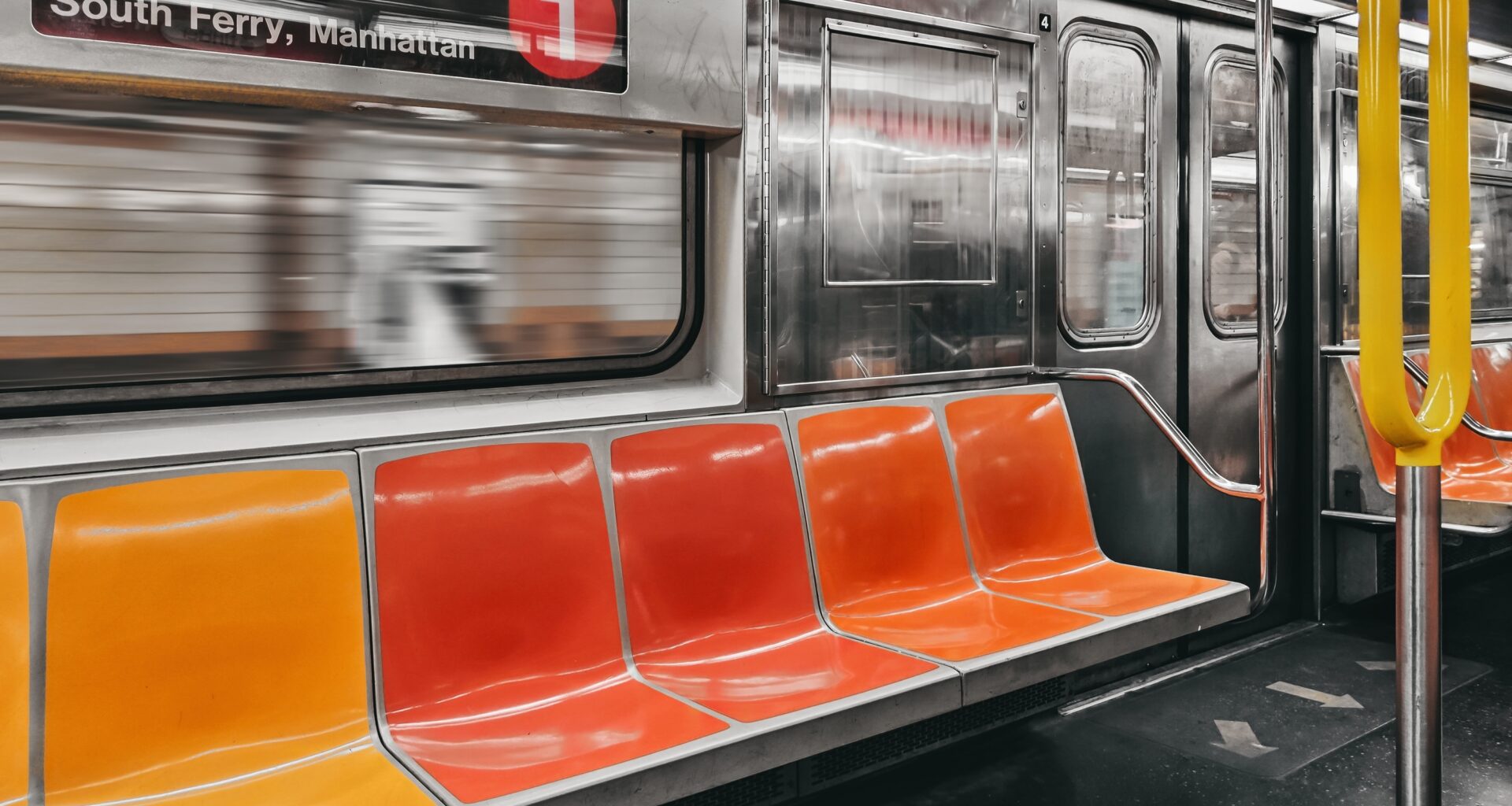
Dear New Yorkers, change is officially on the tracks.
The MTA has announced plans to order up to 2,390 brand-new subway cars, the largest procurement in its history, with the goal of replacing some of the system’s oldest trains entirely. The base order includes 1,140 new cars to replace the aging R62 and R62A fleets currently running on the 1, 3 and 6 lines, all trains that date back to the ’80s.
If additional options are exercised, another 1,250 cars would replace fleets on the 2, 4 and 5 lines, ultimately resulting in a full-scale refresh of most of the numbered-line system. Altogether, the deal could replace more than a third of the subway’s entire fleet.
The upgrades are tangible: the new R262 cars are designed to travel up to 200,000 miles between failures, which is more than double the roughly 89,000-mile average of the trains they’re replacing. That means fewer breakdowns, fewer delays and fewer vague mid-tunnel announcements.
They will also come with other improvements riders will actually notice, like clearer announcements, assistive listening tech for hearing-impaired passengers, onboard security cameras and more efficient braking systems. Open gangway designs—the accordion-style cars you can walk through—are also being considered for the numbered lines for the first time.
“Thousands of new subway cars running better service and a more reliable ride for millions every day—that’s what we can achieve when we fully invest in transit,” said Governor Kathy Hochul last week, when announcing the project.
MTA leadership has been even more blunt about what’s being replaced. “We’re talking about replacing cars that have been around since the 1980s—is anyone else driving 40-year-old cars?” New York City Transit President Demetrius Crichlow said. “Even though we’ve managed to achieve historic on-time performance while adding service with this fleet, it’s time to enter the modern era.”
Behind the scenes, the agency is also rethinking how it buys trains altogether. A newly created Rolling Stock Program, led by Jessie Lazarus, will oversee the process with a focus on long-term costs and performance-based specs. “We’re asking the industry to come with their best ideas—technical and commercial—to meet our performance standards and help the MTA deliver the world class transit experience our customers deserve,” Lazarus said.
All of this is funded through the MTA’s $68 billion 2025–2029 Capital Plan, a historic investment aimed at finally dragging the system into the modern era.
There’s still a wait ahead: proposals are due later this year, with a contract expected in 2028. But when these cars do arrive, they won’t just be new—they’ll mark the beginning of a subway system that (hopefully) feels a lot less like a time capsule.