
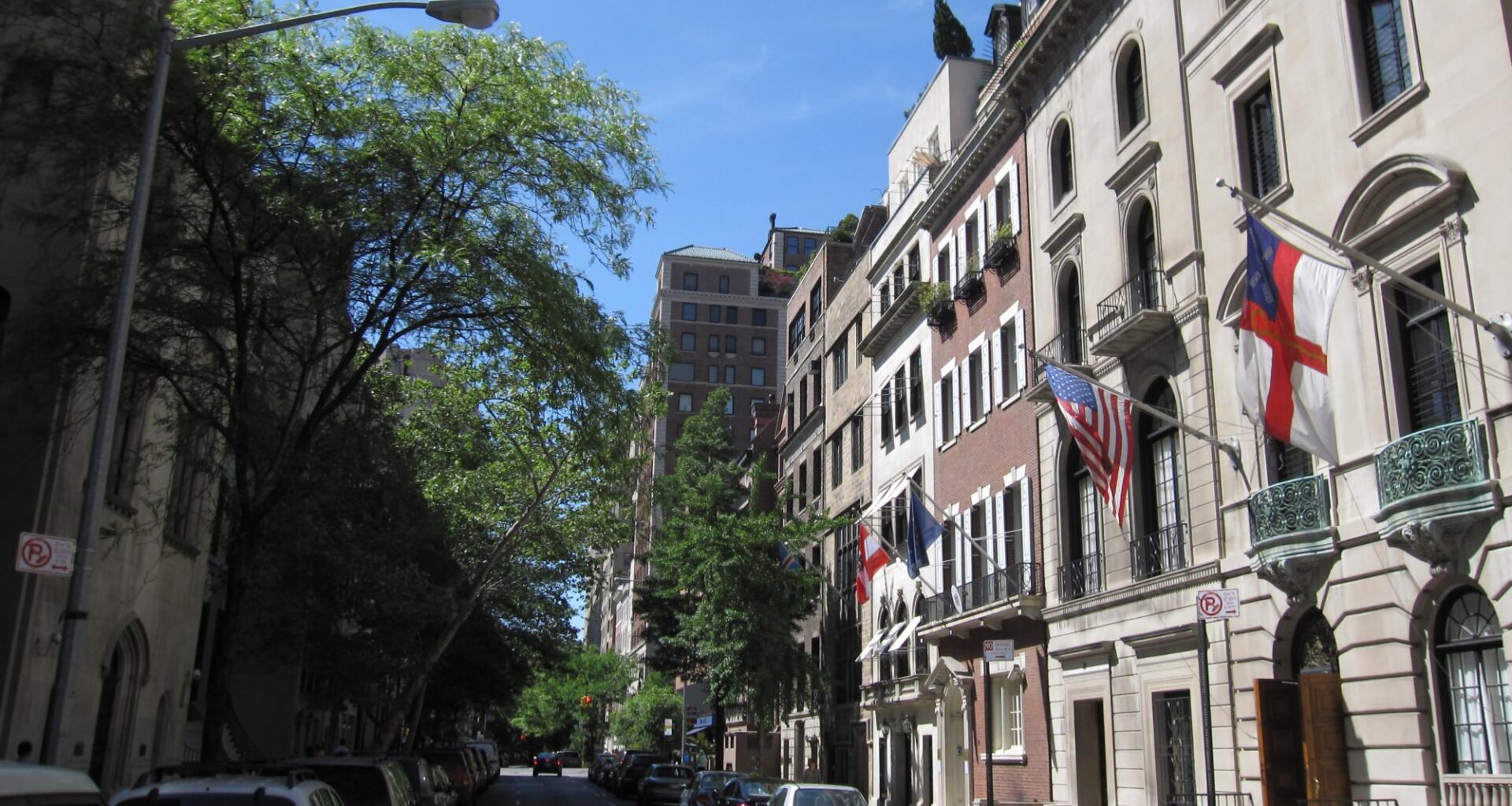
Far-right provocateur Jake Lang incited a protest in front of Gracie Mansion, home of New York City Mayor Zohran Mamdani.
Lang arrived with 20 followers during a demonstration called “Stop the Islamic Takeover of New York City” on March 7. This came at a time of heightened Islamophobia amid the Iran War and resistance to NYC’s first Muslim mayor.
The Upper East Side neighborhood stirred with turbulence. Over 100 counterprotesters quickly showed up. Fist fights ensued, eggs flew in the air and one of Lang’s followers sprayed mace at a crowd of counterprotesters.
Tensions peaked when two Islamic State group sympathizers threw homemade explosive devices into the crowd, which consisted of police officers and protestors. The two bombs did not detonate. Suspects Emir Balat and Ibrahim Kayumi were arrested. Both cited ISIS when speaking to investigators and were charged with providing material support to ISIS and attempting to use a weapon of mass destruction.
The harm the bombs could have caused is being rightfully deplored by the news media. The attempted bombings speak to a larger problem: deepening polarization within the country. Political violence, regardless of intent, is antithetical to democracy.
It’s important to hold this reality in mind while condemning the views espoused by far-right agitators like Lang. Lang is a pardoned Jan. 6 protester who attacked officers at the Capitol, threatened to burn a Quran and made Islamophobic comments during a vigil for Ayatollah Ali Khamenei a day before the Gracie Mansion protest.
Mamdani and his wife were not at Gracie Mansion during the protest.
“While I found this protest appalling, I will not waver in my belief that it should be allowed to happen,” Mamdani said while addressing the protest. “Ours is a free society, where the right to peaceful protest is sacred.” He also condemned the attempted bombers, calling the attacks a “heinous act of terrorism” and for Balat and Kayumi to be held “fully accountable.”
No evidence has linked Balat and Kayumi to a direct connection with ISIS despite their admissions to being inspired by the organization. They were not foreign operatives, but radicalized individuals who invoke terrorist organizations. This mirrors the homegrown white supremacists that Lang appeals to.
The danger underlying this event is that this kind of radicalism — a school of thought that insists the only way to be seen is through terror — has become prevalent. It’s as important as ever to remember violence and bigotry are not the natural responses to political differences.