
Nearly a half-million New Yorkers are slated to get booted off of New York’s publicly funded Essential Plan health insurance program in July — and that’s the good news, according to Gov. Kathy Hochul’s office.
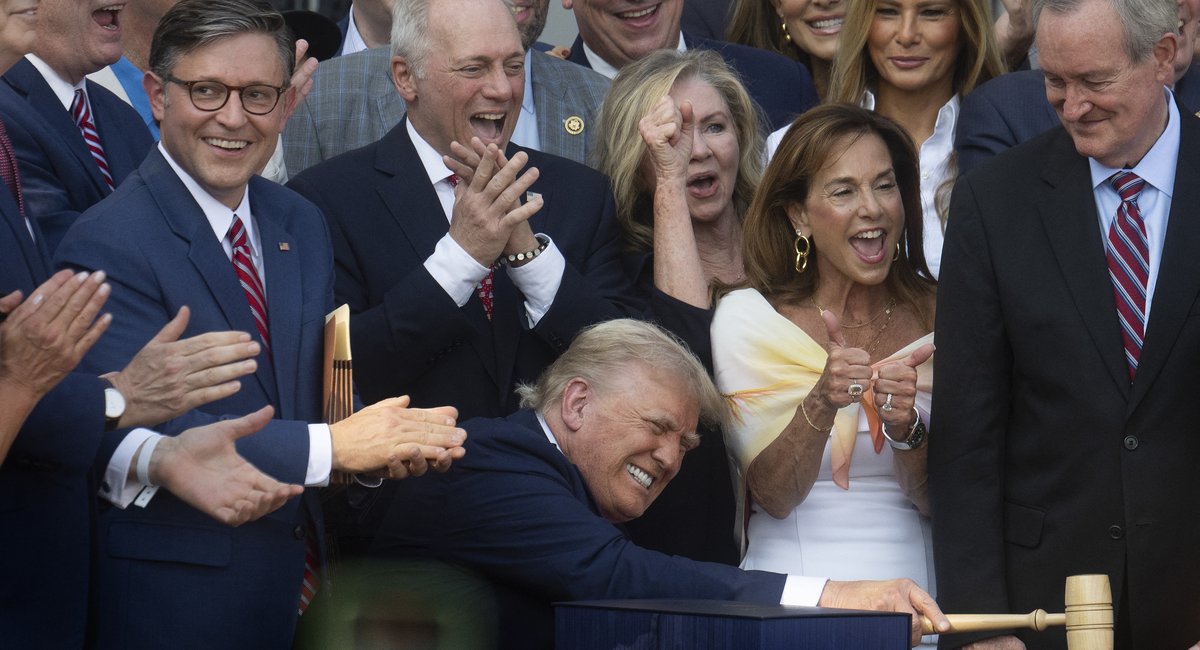
The coverage losses are the expected toll from funding changes included in the sweeping domestic policy bill President Donald Trump pushed through the Republican-led Congress last year. But even more consumers could have faced the loss of coverage, under a worse-case scenario Hochul’s office has helped New York avoid.
Hochul said the state has received approval from the Trump administration to move forward with a plan she devised to minimize the loss of coverage for Essential Plan enrollees, ensuring nearly 1.3 million of the plan’s 1.7 million enrollees will remain insured.
“Even when Washington falls short, I’m going to keep doing everything I can to protect families, strengthen our health care system and make sure every New Yorker gets the care they need,” Hochul said in a statement.
She said she received the necessary approval after meeting with Dr. Mehmet Oz, who runs the U.S. Centers for Medicare and Medicaid Services.
The Essential Plan provides premium-free insurance coverage to those who earn too much to qualify for Medicaid but might still struggle to afford insurance through the state’s Affordable Care Act marketplace. Plans on the exchange can cost hundreds of dollars a month, even with federal subsidies, and often require more out-of-pocket payments.
But the program is now facing $7.5 billion in federal cuts, which state officials say amounts to half its funding. The cuts stem from the Trump administration’s decision to no longer fund coverage for certain legally present immigrants, who make up about 43% of Essential Plan enrollees.
Hochul has now gotten the green light for the state to cope with those cuts by reverting back to a previous version of the Essential Plan that has a lower annual income limit — cutting off eligibility at about $32,000 for an individual, rather than $40,000. The switch will allow the state to access a trust fund that will at least temporarily make up for some of the federal funding losses.
Even still, about 460,000 New Yorkers will lose coverage because they will no longer meet the Essential Plan’s income limits. The state Department of Health has said it will send out notices to those affected 90 days before the changes take effect this July.
The alternative Hochul laid out earlier this year — which State Health Commissioner James McDonald referred to as the “worst-case scenario” — was to shut down the Essential Plan entirely. More than 1 million Essential Plan enrollees would have lost their coverage, while Hochul proposed transferring some 500,000 enrollees to a version of Medicaid funded only by the state — at a cost of about $2 billion a year.
While New York has avoided the “worst-case scenario,” some advocates are still pushing Hochul and state lawmakers to include sufficient funding in the state budget to protect coverage for all Essential Plan enrollees.
“We continue to discuss alternative coverage options for the individuals who will lose Essential Plan eligibility in July as a result of federal changes,” Cadence Acquaviva, a spokesperson for the state Department of Health, said Friday.
The Community Service Society of New York, a nonprofit that advocates for health care consumers, has estimated it would cost the state about $2.3 billion a year to continue providing Essential Plan coverage to all those who are at risk of getting kicked out of the program.
“New York has a long tradition of filling in insurance coverage gaps created by the federal government,” said Elisabeth Benjamin, vice president of health initiatives at the Community Service Society.
Hochul’s office did not immediately respond to a request for comment on whether she supports setting aside additional funding in the budget, due April 1, to support those who stand to lose Essential Plan coverage.
But Hochul said at a press conference in Albany on Monday that she is in talks with the Trump administration about finding a way to keep the Essential Plan income limit as-is.