
Photo-Illustration: Stevie Remsber; Photo
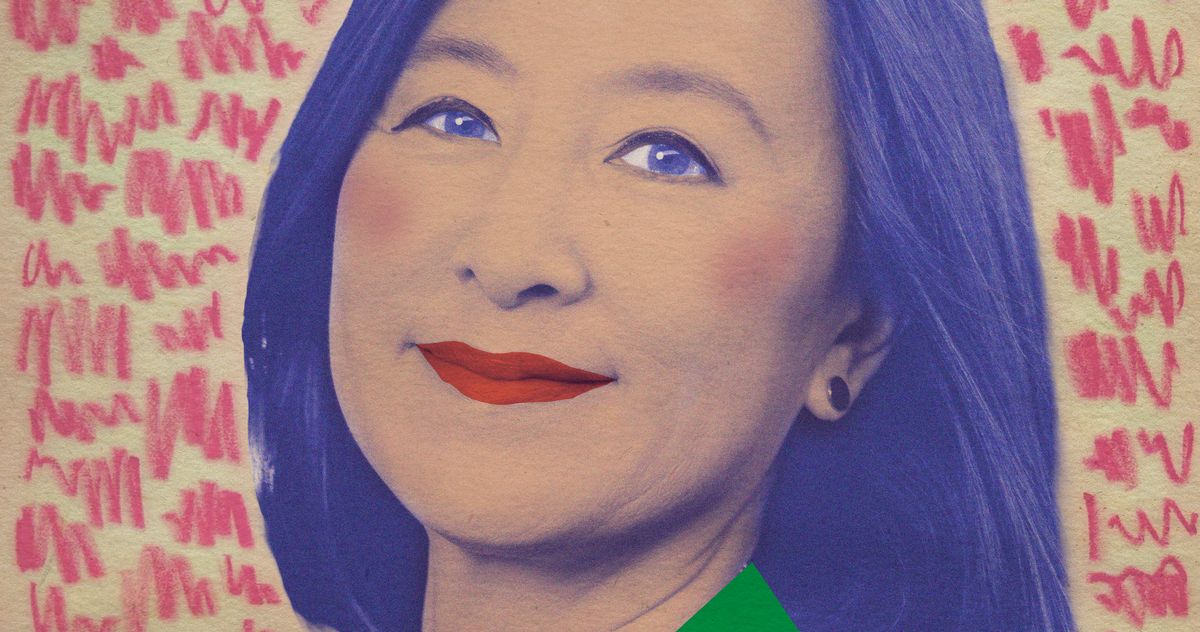
As team governor of the New York Liberty, Clara Wu Tsai has helped shape the WNBA franchise into far more than a winning team. Under her leadership, the Liberty moved to Barclays Center, brought in top-tier talent, and built a game-night experience that feels unmistakably Brooklyn, where the tunnel fits are strong, and team mascot Ellie the Elephant brings in crowds of all ages.
What makes the Liberty feel different is that the success comes from real investment, a clear point of view, and an understanding that people want more than a game. They want energy, personality, community, and a reason to feel part of something. And Wu Tsai’s leadership stretches well beyond one team. Across sports, philanthropy, and research, she’s focused on what it takes to build systems that actually last, support athletes properly, grow audiences in meaningful ways, and push women’s sports forward with the seriousness they’ve long deserved. Here’s how she gets it done.
At your level, what does leadership actually require that people don’t see?
I think people assume leadership is about visibility or influence. But it’s really about committing to a long-term vision. Ownership is stewardship. You’re responsible for an institution that impacts players, fans, employees, and communities. And you’re not just thinking about today, you’re thinking about future generations.
When the stakes are high, what anchors your decision-making?
I start with data. Then I talk things through with a small group of people I trust. But I’ve also learned to trust my intuition. Ultimately, I try to make decisions based on what will still feel right five or ten years from now.
How do you decide what actually deserves your attention?
You have to have the discipline to know what not to touch. Attention is a finite resource, so I focus on the decisions that have the biggest ripple effects, where I can have the most impact. For me, that usually comes down to strategy, people, and culture. And then I trust my team to run the rest.
The Liberty has become one of the clearest examples of what happens when culture, leadership, and winning align. What were the decisions that changed everything?
The most transformative move we made was moving the team from Westchester to Barclays Center in Brooklyn. That was the inflection point. From there, we focused on strengthening leadership and made a very clear commitment to invest in the Liberty the same way we invest in the men’s team, across facilities, resources, and every aspect of the player experience.
That level of investment allowed us to attract key players like Breanna Stewart and Jonquel Jones alongside Sabrina Ionescu, who we drafted in 2020. With that core, we were able to build a truly competitive, winning team.
The Liberty isn’t just winning — it’s become part of the fabric of New York. How did you build a team New Yorkers could relate to?
Why are celebrities sitting courtside? Why is everyone wearing Liberty gear on the subway? How did it become part of the fabric of the city? For me, it starts with the players. This was always a group of world-class athletes, many of them Olympians, who were underestimated, especially during the Westchester years. What we did was give them resources that matched their level of talent.
There’s something very New York about that. People here connect to stories where someone is doubted and then proves themselves. That’s what fans see when they come to a Liberty game. At the same time, we leaned into Brooklyn culture, music, fashion, the energy of the borough, and built an experience that reflects that diversity. Whether it’s Ellie, our theme nights, or the Timeless Torches, who represent a wide range of ages, backgrounds, and identities, we wanted people to feel reflected in every part of the game. We also made a very intentional decision to keep the experience accessible, with ticket entry points that allow young people, families, and longtime fans to be in the building. Once all of that came together, and we kept winning, Liberty games became the hottest summer ticket in New York.
What does being player forward actually look like in practice?
It means listening. Players are part of almost every major decision we make, especially on the basketball side. When I was recruiting Breanna Stewart, I spent time understanding her vision for the league. We were aligned in believing that building a strong team in New York could elevate the entire league.
There’s more attention, more capital, and more scrutiny on women’s sports right now. What actually determines who scales and who doesn’t? Durability. We’ve seen major growth in viewership and engagement, but now it’s about sustaining that. That means continued investment in players, infrastructure, marketing, storytelling, and research so that the business can truly scale.
What are the investments that actually move the needle but people don’t see?
Performance and analytics, content and storytelling, and research, especially around female athlete physiology. Only about 6 percent of sports-science research is done exclusively on women. If we want to truly optimize performance, that has to change. It starts with data and logic. Women’s sports has historically been undervalued, even as participation and audience continue to grow. But advocacy also means backing it up with investment. You can’t just talk about it, you have to commit financial resources.
What keeps you grounded when the pace gets intense?
Movement is essential for me. I love strength training. It clears my mind and gives me energy. But also, just taking a pause, going for a walk, calling a friend. Calling my mom always resets me. It doesn’t have to be long, but those small moments make a difference.
If someone studied your playbook, what would they find?
Curiosity first. I love to learn. But also discipline, kindness, and a sense of lightness. I believe in working hard, but I also believe in enjoying the process.
What does “getting it done” actually mean to you now?
It means being in flow. Getting things done in a way that energizes me rather than exhausts me. It’s about completing what I set out to do but not at the expense of myself.
Stay in touch.
The latest in style, self, culture, and power in your inbox.
Vox Media, LLC Terms and Privacy Notice
Related