
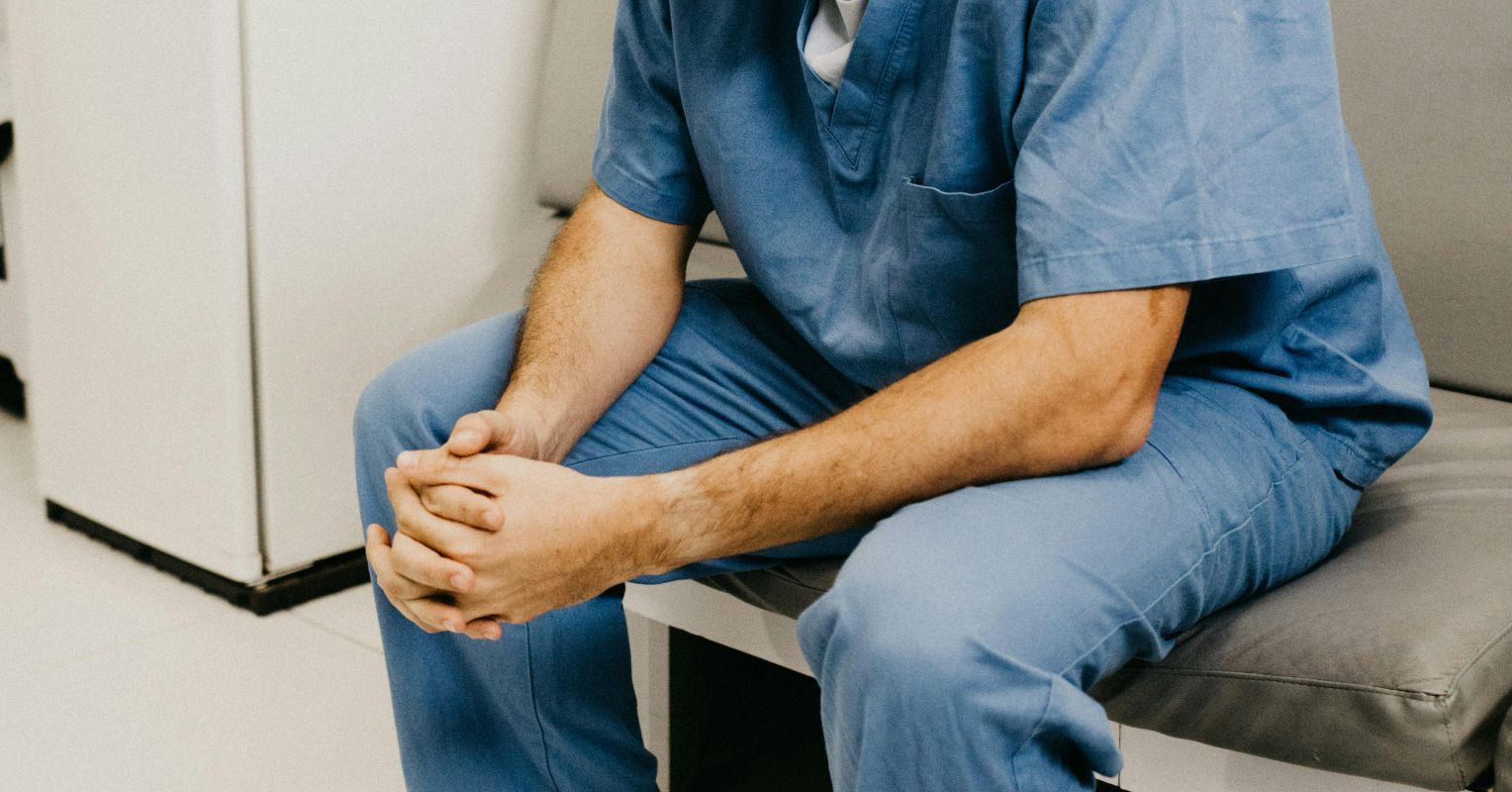
This month marks 5 years since the beginning of the COVID-19 pandemic. Residents of New York City, the epicenter of the outbreak, experienced seismic life changes overnight. Our normal daily routines disappeared. Suddenly, we were under attack from a lurking and lethal coronavirus. Our lives were at stake simply by going grocery shopping or taking our children to school. Scenes at New York City hospital emergency departments were apocalyptic, overcrowded with patients gasping for air and dying.
As a physician, I wanted to jump in and do something. But what could a psychiatrist do when it seemed that what was needed was emergency medicine and critical care doctors? I read harrowing accounts largely of young doctors-in-training who were working nearly around the clock treating COVID-19 patients. They were overwhelmed and traumatized. Often they were isolated from their families due to concerns that they may have contracted COVID-19 and were contagious. Then I learned that Dr. Lorna Breen, the director of the Emergency Department at Columbia’s New York-Presbyterian Allen Hospital, had died by suicide. She herself had contracted COVID-19 and barely recovered before returning to treat more patients, without adequate staff or supplies. Her death sent shockwaves, devastation, and grief to her loving family and an already traumatized community of physicians.
Recognizing a Massive Unmet Need
Like many physicians, I am hardwired to run toward a crisis. As events were quickly unfolding, my colleague Dr. Marianna Strongin and I put our heads together to figure out how we could be helpful. We recognized a massive unmet need, which was to provide mental health support for the distressed physicians on the front lines. Physicians notoriously minimize or ignore their own mental health needs. Stigma within the medical community runs deep regarding mental health. There are widespread biases among physicians that depression or anxiety are signs of weakness. These notions have been reinforced for years throughout our training. Physicians are often resistant to seeking mental health treatment for themselves. Many believe that doctors are supposed to be superhuman. They worry about having to disclose mental health treatment on applications for licensing or hospital admitting privileges. Privacy concerns present challenges as physicians often do not want to access treatment through their own hospital networks.
Recognizing the significant obstacles that many physicians face in accepting mental health treatment, we created a program called Caring for Caregivers (CFC) NYC. Strongin and I both were inundated with our own private practices, as the general mental health toll caused by the pandemic was enormous. Nonetheless, we felt compelled to support the frontline physicians within our NYC community. This is when we began working practically around the clock.
Providing Pro Bono Mental Health Care
Our program provided curated pro bono mental health care for any NYC frontline physician who was treating COVID-19 patients. We recruited a large cohort of highly experienced therapists who generously volunteer their time and skills. We reached out to residency training directors at many NYC emergency departments. Other volunteers with expertise in public relations or social media were instrumental in getting information about our program out to doctors. We were careful to ensure that the process was highly confidential, and I provided my personal email for them to reach me directly. I screened the doctors to determine their needs, and my co-founder Strongin screened the volunteer therapists to understand their availability and areas of expertise. Then Strongin and I would match the doctor with a therapist who seemed to be a good fit. I sent email introductions, and the physicians were able to arrange video sessions with their therapists.
The treatment was free for up to three months, and our therapists were encouraged to offer reduced fees for those who wanted to continue treatment after that period ended. A large percentage of the doctors did, in fact, continue on with their therapists. In addition, we provided medication evaluations from myself and other psychiatrist colleagues for those who were interested. Genomind, a company that provides genetic testing to help determine the right medications for individuals based on their DNA, generously donated kits to any frontline physician in our program who wanted to do the testing.
Our program ran for about 18 months, and we treated close to 100 physicians from multiple NYC hospitals. The Journal of the American Medical Association (Jaklevic, 2021), as well as The Washington Post (Judkis, 2021) and Today (Holohan, 2021) recognized the value of our program. We were grateful as mental health providers to be able to contribute in our own unique way to helping during this crisis. We were able to collaborate with many incredible groups, including the Dr. Lorna Breen Heroes Foundation, an organization started by Breen’s family after her tragic death. They endeavor to reduce burnout among medical workers, reduce stigma related to accessing mental health treatment, and promote healthcare industry well-being initiatives. Their unwavering efforts led to the passage in 2022 of the Dr. Lorna Breen Health Care Provider Protection Act. This law provides actionable support for the mental health and well-being of healthcare providers. It focuses specifically on core issues related to education, training, and practice in healthcare. I am grateful to have been involved with so many incredible people who showed up to help those who care for others.