
The American Revolution reached the shores of New York City in the summer of 1776. Nearly 400 British naval ships filled the city’s harbor as tensions between British and rebel forces escalated. As the threat of attack grew, George Washington, Commander-in-Chief of the Continental Army, issued a proclamation urging civilians still in the city to evacuate. He warned:
“Whereas a Bombardment and Attack upon the City of New-York, by our cruel, and inveterate Enemy, may be hourly expected: And as there are great Numbers of Women, Children, and infirm Persons, yet remaining in the City… I Do therefore recommend it to all such Persons, as they value their own Safety and Preservation, to remove with all Expedition, out of the said Town.”
By the time fighting broke out in mid-August 1776, only about 5,000 people remained within its limits. The fighting ended with a British victory at the Battle of Brooklyn. As the Continental Army retreated, New York City was established as the British Army’s main base, and would be for the remainder of the war. It was a terrifying time for New York colonists, as evidenced by Mrs. A Hampton’s letter to her daughter: “I never underwent such a fright in all my life. Cannons roaring, drums beating to arms, all things in confusion, my mother out of town, not a friend to go to.”
For the women of New York City, the American Revolution marked the beginning of a new, uncertain chapter. Indeed, women were not merely bystanders during the war, but took an active part and were deeply shaped by the conflict.
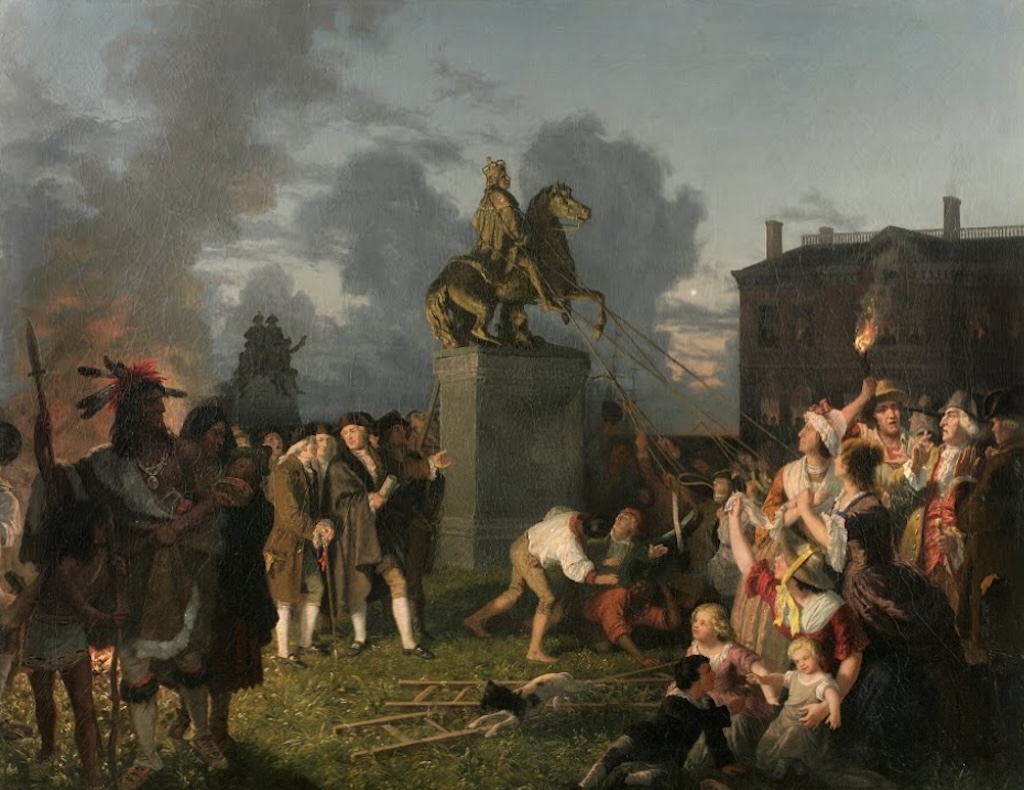 Courtesy the Gotham Center for New York History
Take, for instance, the story of Margaret Todd Whetten. Whetten’s family fled following Washington’s proclamation, relocating to New Rochelle. However, her husband’s illness and the threat of British soldiers looting her property forced Whetten to return to New York. She eventually took residence on Cliff Street in Lower Manhattan.
Despite living under British occupation, Whetten and her daughters supported the American cause by providing food and clothing to imprisoned American soldiers. Some accounts even suggest that Whetten aided American espionage efforts. Her home reportedly served as a refuge for American spies, and she may have helped one escape from British capture.
Whetten was not the only New Yorker to risk her safety in support of the American cause. Elizabeth Burgin also placed herself in danger while assisting American prisoners in occupied New York. Although the details of her efforts remain unclear, historians believe Burgin aided soldiers imprisoned in the city’s infamous Sugar House prison. Today, a solitary brick window from the former prison remains at 1 Centre St., a reminder of this darker chapter in the city’s Revolutionary history.
Burgin ended up fleeing to Philadelphia to avoid British capture, though after the war she was commended for her wartime efforts and her children were granted free rent and rations. In a 1780 letter addressed to Washington, Burgin wrote:
“I Feel a hart Full of Gratitude For the Many Favours I have Recevd From Your Excelency Your Order: For Rations for my Self and Children… Wicth is Great Releif to me in A Strange Place.”
The following year, she wrote to Congress, wishing not to be “troublesome or expensive to the United States,” and requested employment. Congress ultimately voted to grant her a pension.
Women on both sides of the Revolution experienced the pressures of war and fought to support their cause in various ways. Lorenda Holmes was a Loyalist (i.e. loyal to the British Crown), and in the months leading up to the explosive summer of 1776, she worked as a spy and courier, carrying news and information to British ships waiting in New York Harbor. Though Holmes was briefly imprisoned for her treachery, she eventually escaped and continued assisting the Loyalist cause, including guiding Loyalist men seeking to enlist in the British army. Fearing for her safety, she later fled to England, where she remained for the rest of her life.
Following the Battle of Brooklyn, British-occupied New York served as a refuge for Loyalists, especially for enslaved African Americans seeking freedom under British protection. At the conclusion of the war, American slaveholders demanded the return of enslaved people who had fled to British lines. Seeking to secure their freedom, Black Loyalists testified in proceedings known as the Birch Trials, named after the presiding British officer Samuel Birch. Many of these testimonies, which are believed to have been recorded at Fraunces Tavern, reveal Black women navigating legal spaces to claim their freedom. Among them were Dinah Archey, Judith Jackson and Violet King, who later departed New York for Canada.
Although gaps remain in the historical record, women navigated the challenges and upheaval of the revolution. The stories that survive, whether through aiding prisoners of war, passing information across enemy lines, or fighting for freedom, show that revolutionary women of New York were participants whose actions reflected the uncertainties of the nation’s founding era.
Theresa DeCicco-Dizon is a public historian and museum educator based in New York City.
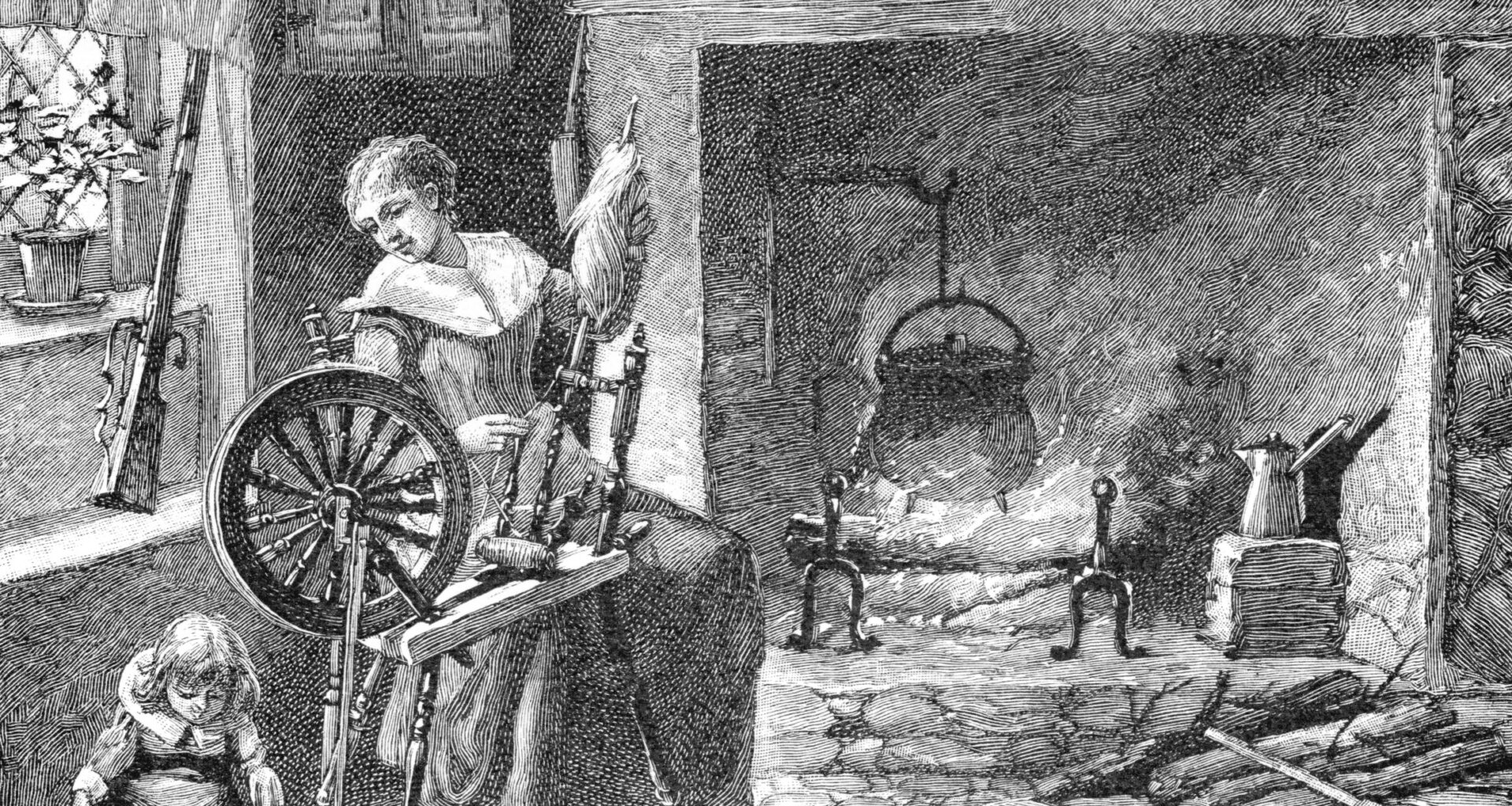
main photo: “A Brief History of the United States” by Joel Dorman Steele and Esther Baker Steele, 1885, Public Domain