
Touro University on Tuesday announced the launch of an institute that aims to combat antisemitism on college campuses and in other settings, with a focus on research, legal advocacy and education.
The new Touro University Antisemitism Institute includes a law clinic, where professors and students provide legal services to victims of antisemitism, as well as related programs focused on legal and ethical issues, the Holocaust and human rights, and undergraduate and graduate courses on antisemitism.
Its first program will be a teaching fellowship this summer, with professors from across the country invited to develop undergraduate courses focused on antisemitism, civil rights and Jewish studies. A conference in New York City will follow in the fall.
The new institute gets its start as colleges and universities report a growing number of antisemitic incidents. Hillel International reported more than 2,300 incidents in 2024-25, the most since it started tracking incidents in 2019, and roughly 1,300 so far this academic year.
“We’ve seen an alarming rise in antisemitism in the United States” over the last 10 years or so, but especially since the Oct. 7, 2023, Hamas attack in Israel,” said Alan Kadish, Touro University’s president. “There’s a lot of work being done by a lot of organizations to combat antisemitism, but we felt that as a university, we have some unique things we can offer in trying to deal with this problem.”
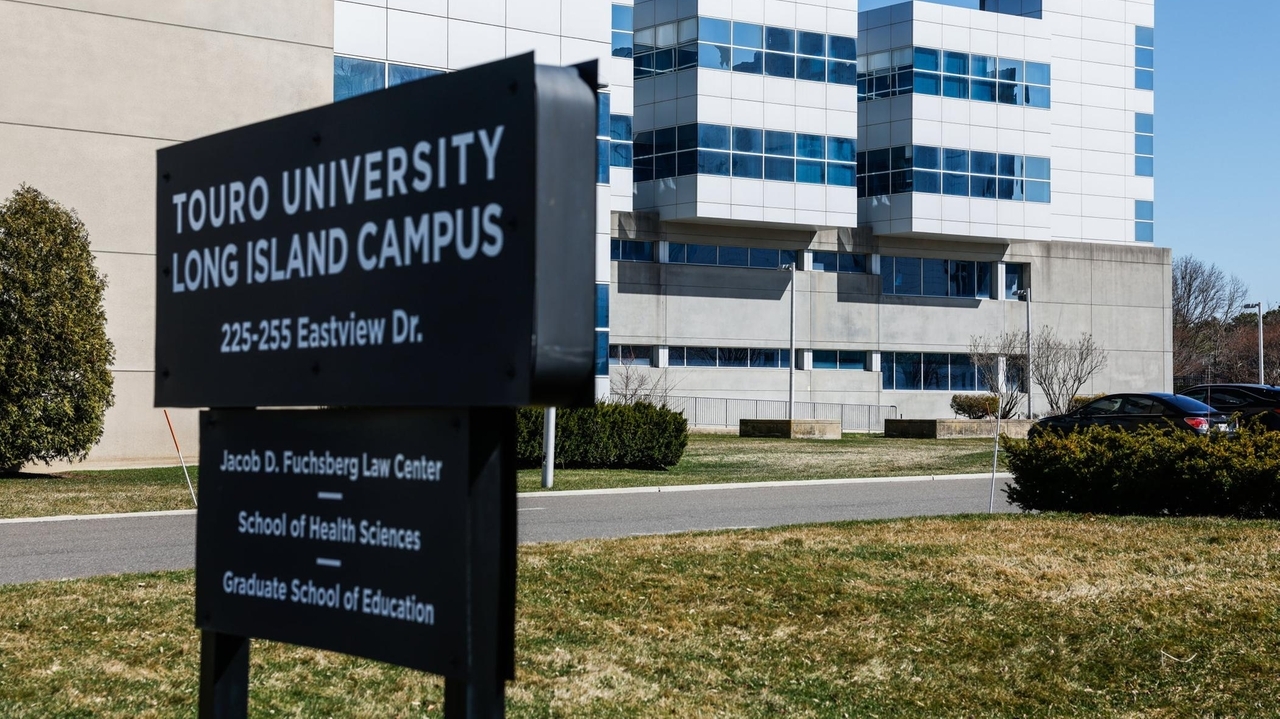
Touro has not had any on-campus antisemitic incidents, though there have been some “uncomfortable exchanges” on social media, Kadish said. The university, based in Manhattan, has a Central Islip campus with a law school and health sciences school.
Antisemitism investigations
The Trump administration has conducted numerous investigations of colleges, including two probes announced this month into alleged antisemitism at Harvard University. Last summer, Columbia University agreed to pay $200 million to the federal government over charges of antisemitism on campus. The university did not admit wrongdoing but agreed to new antisemitism policies, among other changes.
In some instances, federal investigations into antisemitism have resulted in demands that “infringe upon free speech,” such as restrictions on students’ expression of controversial viewpoints, said Zach Greenberg, director of faculty legal defense at the Foundation for Individual Rights and Expression, a Philadelphia-based nonprofit that supports free speech on college campuses.
Greenberg said he sees no cause to worry that Touro’s institute would raise free speech concerns. It is important to protect students and others from harassment and threats, Greenberg said.
Kadish said, “We believe in free expression, as long as it doesn’t harm others.”
Research by Touro faculty members has included studies on the impact of online antisemitism and other forms of discrimination and hostility, as well as effective ways to counteract bias, Kadish said.
New York University, Yale University and other institutions also have institutes focused on research and education on antisemitism, but Touro’s new program is unusual in also including legal advocacy, said Rabbi Mark Goldfeder, director of the antisemitism law clinic that started last year at Touro. He is also chief executive and director of the National Jewish Advocacy Center.
Touro has 10 faculty members participating in the new institute, along with an administrative director, Goldfeder said. It has an initial annual budget of nearly $1 million, though that figure is expected to increase as the institute expands, Goldfeder said.
The institute “aims to bring theory into practice” in protecting people from all forms of bias and discrimination, he said. “By taking a firm stand here, Touro is actually doing something to the benefit of the broader population while supporting the Jewish community.”

Maura McDermott covers education. Since joining Newsday in 2012, she also has worked on the investigations team and covered real estate and the business of health care.