
Home » America Travel News » New York Overtakes Nevada, California, Florida, Michigan, Washington, Maine, And More Places In United States In Facing The Most Significant Tourism Decline, Witnessing A Seventeen Percent Drop In Foreign Arrivals
Published on
March 25, 2026
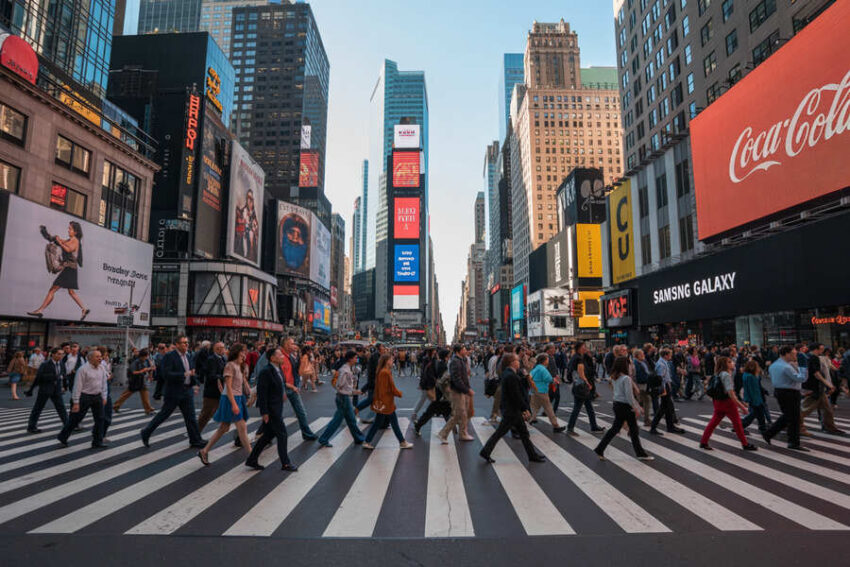
Image generated with Ai
In 2025, New York took the lead in experiencing the sharpest tourism decline in the United States, surpassing states like Nevada, California, Florida, Michigan, Washington, and Maine, with a staggering 17% drop in international visitors. This decline is largely attributed to a combination of growing concerns over U.S. immigration policies, political rhetoric, and rising travel costs, which have deterred foreign tourists from visiting the U.S. Major cities that once thrived on international tourism are now grappling with fewer high-spending visitors, causing significant economic losses. Let’s delve into how this shift is affecting states across the country, one by one.
Tourism is one of the most vital sectors driving the U.S. economy. Cities like New York, Las Vegas, and Los Angeles have been the go-to destinations for millions of travelers. Yet, as we enter 2026, an alarming trend has emerged—one that could alter the tourism landscape in the United States for years to come. The nation’s tourism sector is facing an unprecedented setback, with some of its most famous destinations experiencing sharp declines in international visitors. Among the hardest-hit is none other than New York, which now leads a growing list of states, including Nevada, California, Florida, Michigan, Washington, and Maine, in witnessing a significant drop in tourism. Let’s explore the impact of this decline, the reasons behind it, and what these states are doing to navigate this challenging time.
New York: The Capital of the Decline
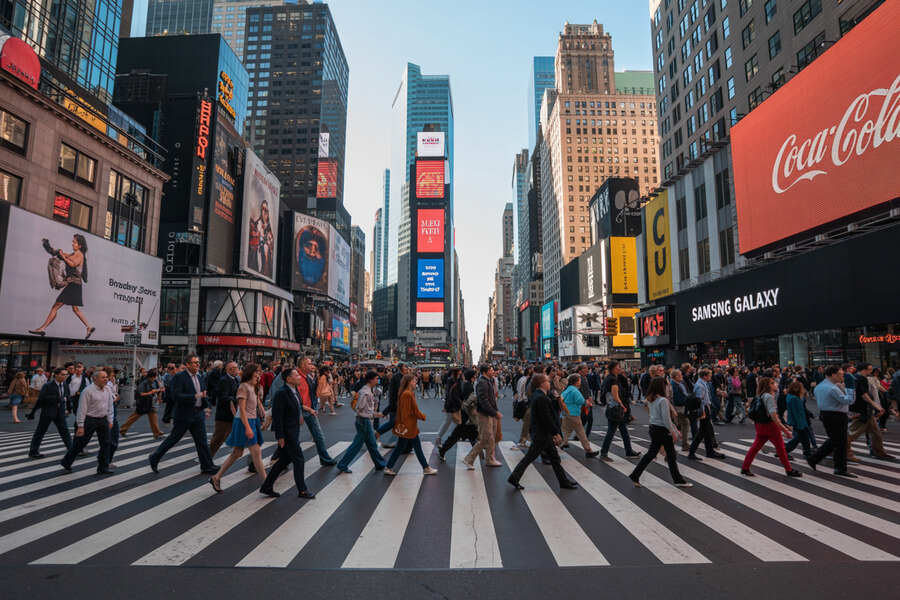
New York has long been a symbol of global tourism. From the dazzling lights of Times Square to the cultural marvel of Broadway and the iconic Statue of Liberty, it has drawn millions of international visitors annually. However, recent statistics from 2025 reveal that New York has overtaken even Nevada and California in experiencing a tourism slump. A staggering 17% drop in international visitors in 2025 has led to a loss of nearly 2 million foreign tourists, creating a massive hole in the city’s tourism economy.
Tourism experts believe that this decline is driven by growing fears surrounding U.S. immigration policies and the political climate, which have made international visitors feel unwelcome. As a result, tourists from key markets like Europe, Asia, and Latin America are opting for other global destinations like London, Paris, and Tokyo. The loss of these high-spending visitors, who typically stay longer and spend more on luxury hotels, cultural attractions, and Broadway shows, has caused serious concerns for New York’s local economy.
Nevada: The Mirage of Declining Visitors
In Nevada, the world-renowned city of Las Vegas is feeling the impact of this tourism decline. Known for its extravagant casinos, world-class resorts, and vibrant nightlife, Las Vegas has always been a prime destination for international travelers. But as international visitation falls, so does the revenue generated by its high-stakes gamblers, upscale hotel bookings, and luxury experiences. Las Vegas experienced a 7.5% drop in tourism in 2025, marking its worst downturn since the pandemic.
The decrease in international visitors has been particularly noticeable from markets such as China, Japan, and Europe. Despite the continued strength of domestic tourism, which makes up the bulk of visitor numbers, Nevada’s heavy reliance on foreign visitors for its luxury travel market has left its tourism industry struggling. Local businesses, from high-end restaurants to boutique shops, are feeling the pinch as the “high rollers” stay away.
Advertisement
Advertisement
California: A Golden State with Diminished Luster
California, another top destination, has also seen a decline in international arrivals. With major cities like Los Angeles, San Francisco, and San Diego drawing millions from abroad each year, the drop in foreign visitors is significant. Los Angeles, in particular, has seen a decline of 8% in international tourists in 2025, especially from Asia and Europe. The reasons behind this decline mirror those affecting other states—uncertainty surrounding U.S. immigration policies, increased visa processing times, and the political climate.
Although California’s tourism remains buoyed by domestic travelers, the loss of international visitors is being felt. The luxury tourism market, which heavily depends on foreign visitors, is the hardest hit. Attractions like Hollywood, Universal Studios, and the Golden Gate Bridge have seen fewer international visitors, which has led to a reduction in tourism spending and slower recovery for local businesses in the hospitality and retail sectors.
Florida: Sunshine State’s Struggles with Global Visitors
Florida, the land of theme parks, sandy beaches, and vibrant cities like Miami and Orlando, has historically attracted millions of international visitors. However, like many other states, it’s facing a sharp decline in foreign arrivals. Florida saw a 6% drop in international tourism in 2025, particularly from Canada, Europe, and Latin America. Canadian visitors, who have traditionally made up a large portion of Florida’s international tourist base, are now opting to stay home, likely due to political tensions and changing travel regulations.
This decline in international tourism has led to a financial strain on Florida’s tourism-dependent economy, especially in major tourism hubs like Orlando, where the theme parks and resorts are heavily reliant on foreign guests. With fewer international visitors spending money on high-end tickets and accommodations, Florida’s tourism industry is being forced to focus more on attracting U.S. tourists, which doesn’t make up for the loss of the international market.
Michigan: A Cross-Border Crisis
Michigan, often overlooked in national tourism discussions, has experienced significant declines in tourism, particularly from its Canadian neighbors. Historically, Michigan has benefited from a strong cross-border tourism relationship with Canadian visitors who flock to cities like Detroit and Traverse City for festivals, attractions, and shopping. However, the state saw a 9% drop in foreign visitors in 2025, with Canadian tourists staying home due to the growing uncertainty around U.S. travel regulations and visa processing.
Michigan’s tourism industry has been forced to adapt, with an increased focus on attracting domestic visitors to fill the void left by Canadian tourists. The state’s hotels, restaurants, and local attractions that rely on cross-border traffic are facing tough times, with many businesses struggling to make ends meet.
Washington: The Seattle Struggle
Washington State, home to the iconic city of Seattle, has also been grappling with a decline in international visitors. Seattle’s Space Needle, Pike Place Market, and the beautiful landscapes of the Olympic Peninsula have long attracted foreign travelers. However, the state faced a 5% drop in international tourism in 2025, particularly from China, South Korea, and Japan. The situation has been exacerbated by the global pandemic’s lingering effects on travel patterns and the ongoing challenges posed by visa restrictions.
Washington State’s tourism industry, reliant on both global tourists and local travelers, has been hit hard by the lack of international visitors. With fewer foreign tourists spending money on local experiences, Washington’s tourism businesses are scrambling to find ways to recover lost revenue and attract more visitors from the U.S. market.
Maine: Acadia’s Quiet Season
Maine, known for its stunning coastal beauty and the charm of Acadia National Park, has experienced a notable drop in international tourism. The state saw a 7% decline in foreign visitors in 2025, with many international tourists opting for alternative destinations. Key markets such as the UK, Germany, and Canada, which have traditionally been Maine’s primary sources of international visitors, have seen substantial reductions in travel to the state.
Maine’s tourism sector, which is highly dependent on seasonal international visitors, has been particularly hard hit during the summer months when foreign tourists flock to Acadia and the coastal towns. While the state is focusing on boosting its domestic tourism, it’s clear that Maine’s tourism industry faces an uphill battle in recovering the international market share it has lost.
The United States: A National Tourism Crisis
New York’s experience is not unique. From Nevada to California, Florida to Michigan, Washington to Maine, the story is the same: U.S. tourism is suffering a sharp decline, with some states seeing drops as high as 17% in international visitors in 2025. This decline is not limited to a few cities or regions but is a nationwide trend that has left tourism-dependent economies struggling to adapt.
Tourism officials across the country are focused on a recovery strategy that balances the need for robust security measures and immigration policies with the desire to welcome international visitors back. The 2026 FIFA World Cup and other major events are expected to bring some relief, but these events alone won’t reverse the damage done by years of declining international travel.
As we move forward into 2026, it’s clear that the U.S. tourism industry is at a crossroads. For states like New York, Nevada, California, Florida, Michigan, Washington, and Maine, the loss of international tourists has created significant challenges. With fewer foreign visitors arriving, these states are beginning to feel the financial strain that comes with the loss of high-spending travelers. Many are pivoting toward domestic tourism, but this shift will take time.
The U.S. tourism sector is hoping that major international events like the 2026 FIFA World Cup will provide a much-needed boost. New marketing campaigns and strategies aimed at reassuring international visitors about the safety and welcoming nature of U.S. cities are already in place. However, these efforts will need to overcome a range of challenges, including political rhetoric, immigration policies, and economic uncertainty.
In 2025, New York led the U.S. in tourism decline, surpassing states like Nevada, California, and Florida, with a 17% drop in international visitors. This sharp decline is mainly due to growing concerns over U.S. immigration policies and the current political climate, which have made foreign travelers hesitant to visit.
For now, the tourism sectors in New York, Nevada, California, Florida, Michigan, Washington, and Maine are bracing for a long road to recovery. The next few years will be crucial in determining how quickly the U.S. can rebuild its tourism infrastructure and regain its place as a top destination for international travelers.
Advertisement
Advertisement
