
President Donald Trump’s war in Iran threatens to blow up New York City’s transportation department budget — and could make it harder to fill potholes across the five boroughs, according to the top bean counter in the mayor’s office.
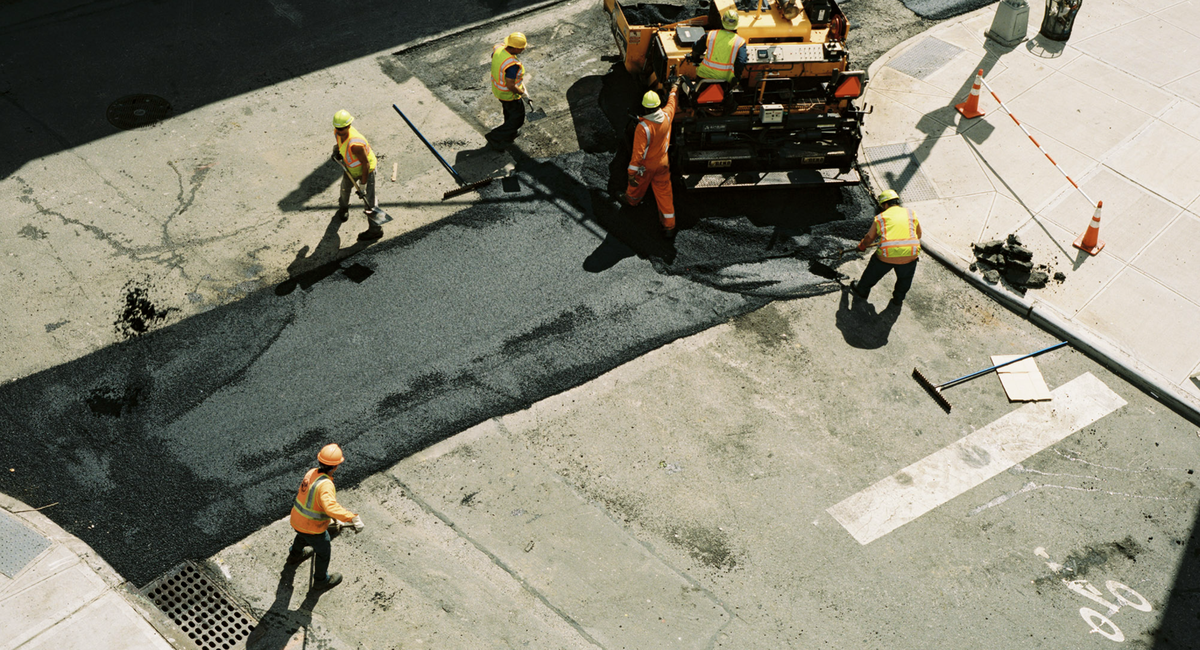
During a City Council budget hearing on Wednesday, Sherif Soliman, the city’s budget director, said he was closely monitoring oil prices as they climbed after the war’s onset. Higher oil prices make asphalt more expensive, which Soliman said could make it more costly for the Department of Transportation to complete all its planned street repavings this year as the city faces a budget crunch.
“It is a real concern,” Soliman said. “We’re watching it closely.”
Soliman said it costs the city $221,000 to resurface each mile of its streets and highways — and the DOT aims to repair 1,150 miles of roadways every year. The operation comes with a $259 million price tag that could balloon due to rising oil prices, Soliman said.
The Associated Press reported that the price of a barrel of crude oil was around $100 on Thursday, up around $70 from when the war began. Asphalt is a cocktail of sand, rocks and sometimes rubber. The glue that holds it all together is a thick byproduct of crude oil.
The problem threatens to bring Trump’s war home to New York City. And it comes after a brutal winter that battered the city’s streets with plows and salt. Pothole complaints have nearly doubled this year compared to the same period last year.
“This was a pretty tough pothole season, probably the toughest in a decade or more,” said Sam Schwartz, a transportation consultant and former city traffic commissioner. “The [transportation department] will then have to do triage on roads. If the prices go too high and [the city budget office] doesn’t find the money, the city may have to cut back on its repaving, which will result in more potholes in the future.”
Mayor Zohran Mamdani has already ordered workers to go to war with potholes — one 24-hour “pothole blitz” earlier this month managed to fill 8,000 potholes.
Transportation department spokesperson Mona Bruno said the city has no plans to scale back its repaving efforts for now.
White House spokesperson Kush Desai made no apologies for the rising oil prices.
“President Trump has always been clear about short-term disruptions as a result of Operation Epic Fury, and how oil prices will decline quickly after the clear objectives of this operation have been accomplished,” Desai wrote in a statement. “Until then, the administration remains focused on cutting regulations and slashing the pervasive waste, fraud, and abuse in federal programs — Democrat-run cities and states should try emulating this playbook if they’re really concerned about cost overruns.”
Ken Weaver, a car service driver, said he’d just endured a pothole-filled ride on his way to pick up his next fare on Flatbush Avenue in Brooklyn on Thursday.
“It’s trash out here. The potholes are trash,” he said.
He called the prospect of the war making potholes worse “crazy.”
“They got to do better,” Weaver said.