
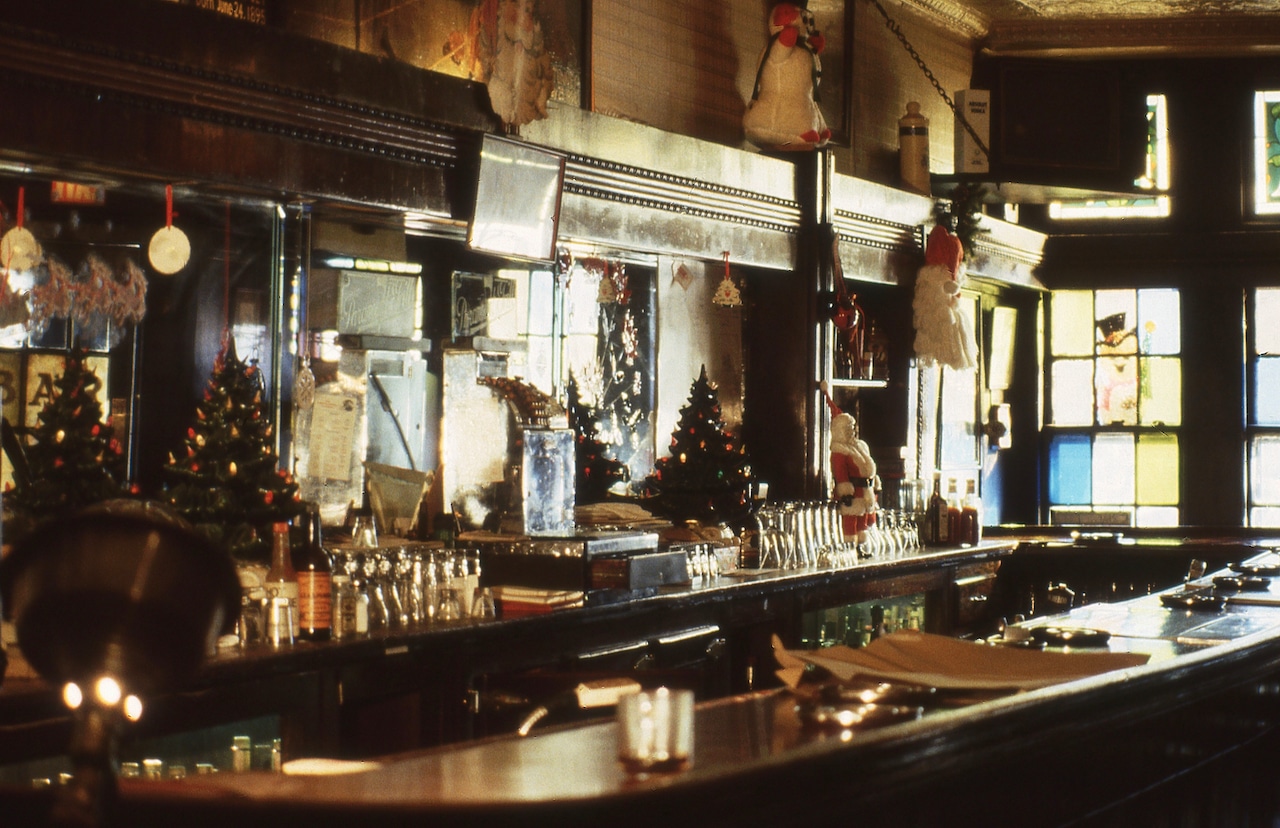
STATEN ISLAND, N.Y. — On Friday nights along Canal Street, just off Tappen Park, a narrow storefront at 219 Canal Street drew lines out the door. The building—a rabbit warren of rooms stitched together over time—housed the Paramount Bar & Grill, where a mercurial bartender held court over judges and neighborhood regulars while merchant marines sketched ships on tablecloths.
Welcome back to the Paramount—also known as Joe’s Paramount—once a key stop along Stapleton’s raucous nightlife circuit and immortalized in a back‑in‑the‑day image by New Brighton artist Bill Murphy. This was the era of the Choir Loft, the caves of Demyan’s Hoffbrau, Bay Street joints like the Narrows Tavern, the Green Lantern by the Stapleton train stop, and, yes, as Staten Islanders of the time called it, the “topless bar” known as the Bard of London.
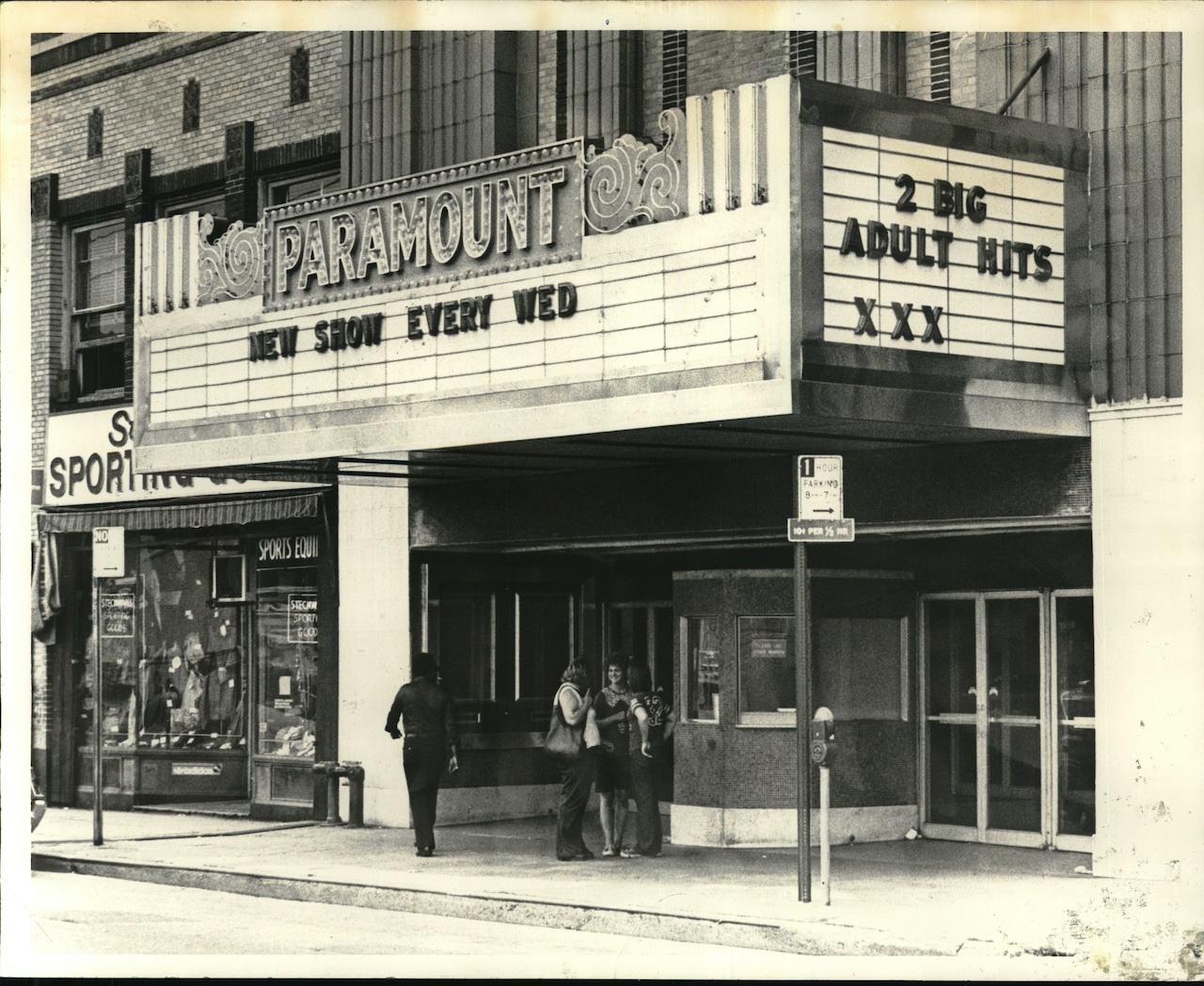 Back in the early 1980s, the marquee of the Paramount Theater on Bay Street in Stapleton stirred anger among nearby residents and merchants. The theater had no connection to the Paramount Bar & Grill. The image is by Robert Parson.Staten Island Advance
Between 1979 and about 1984, the borough’s stories were traded as freely as the 35‑cent beers. Some might also remember Pete Piffins, a restaurant and bar with shocking sapphire‑colored walls and weekend entertainment, including performances by Tommy Bowes of Tower of Power lead‑singer fame.
With that vibrant backdrop, let’s focus on the Paramount Bar & Grill itself, now a vinyl‑sided building for sale, still standing amid a row of shabby, time‑worn structures.
According to a real estate listing on Zillow, the property is for sale for a $754,000 asking price.
Murphy, the artist, remembers Paramount Bar & Grill well. Right behind the bar loomed the old Piel’s brewery, where people wandered at night—a whole other layer of Stapleton life, he said. And up the hill on Grymes Hill stood The Mount, a mansion once owned by Wagner College. It was demolished in the late ’60s and much later on replaced by a gated community of luxury homes. In the summers, people would head up there to look out over the harbor—another piece of the neighborhood’s landscape folded into the Paramount era.
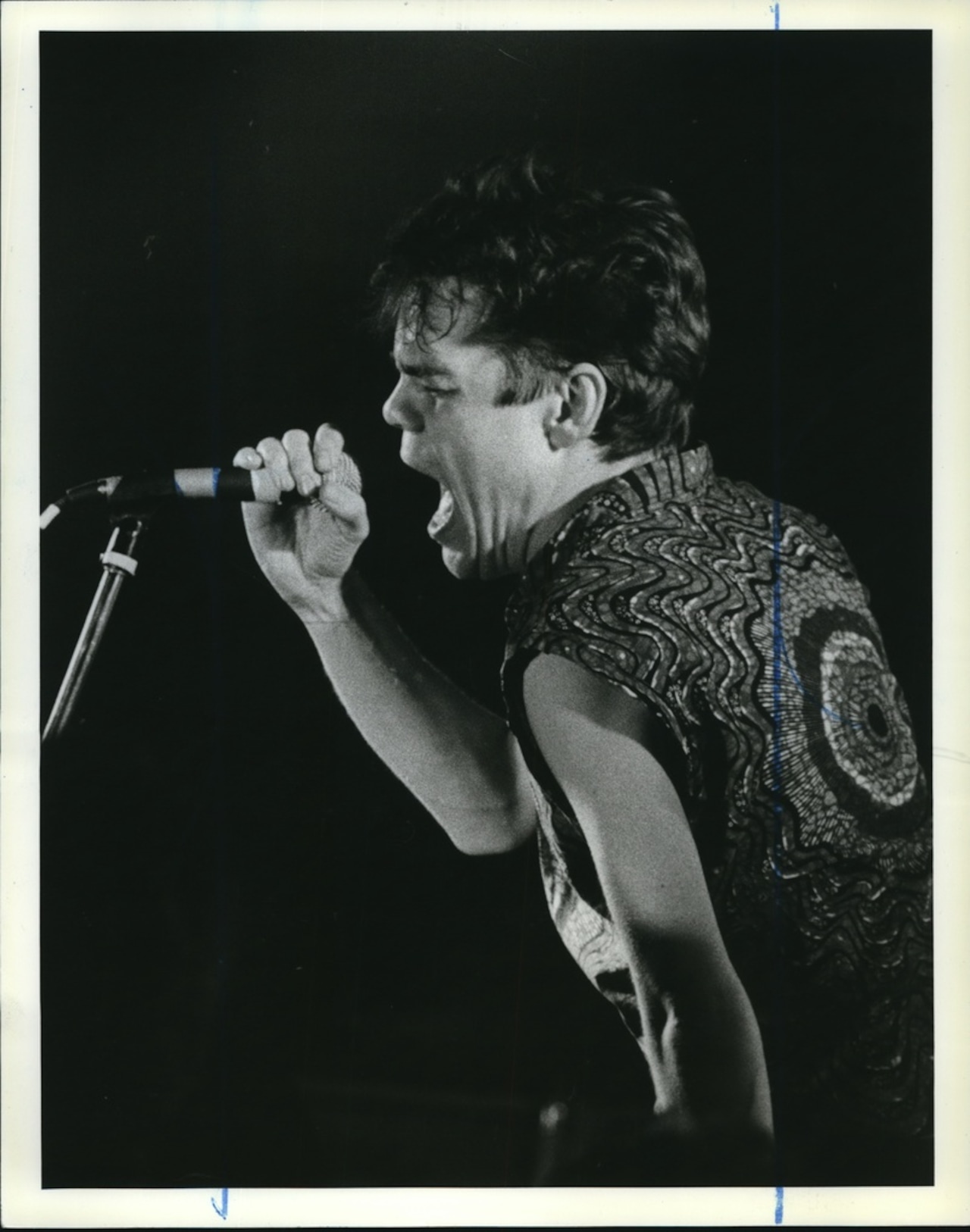 The scene in 1984 on Staten Island included David Johansen who performed at Wave Street, Stapleton. (Advance/SILive.com | Steve Zaffarano) Staten Island Advance
“The Paramount was the place in Stapleton,” said Murphy, who spent countless nights there from the early 1970s through the mid‑1980s. “For a good 10 to 15 years, it was really the spot.”
Murphy first heard about the Paramount from a friend who laid out the ritual: grab a pizza from Mauro’s—later of New Dorp Beach—or, depending on the night, Tung Bo.* He’d carry it next door to the back room, order a $2.50 pitcher and settle in for the night.
“Soon you had to wait on line to get in,” he said.
From the street, the bar looked small. Inside, it unfolded like a secret—a long bar up front, then a small room, then another, and finally a back room anchored by a single long table. Murphy’s mother told him the building had once been a Prohibition‑era speakeasy, and its layout certainly fit the lore.
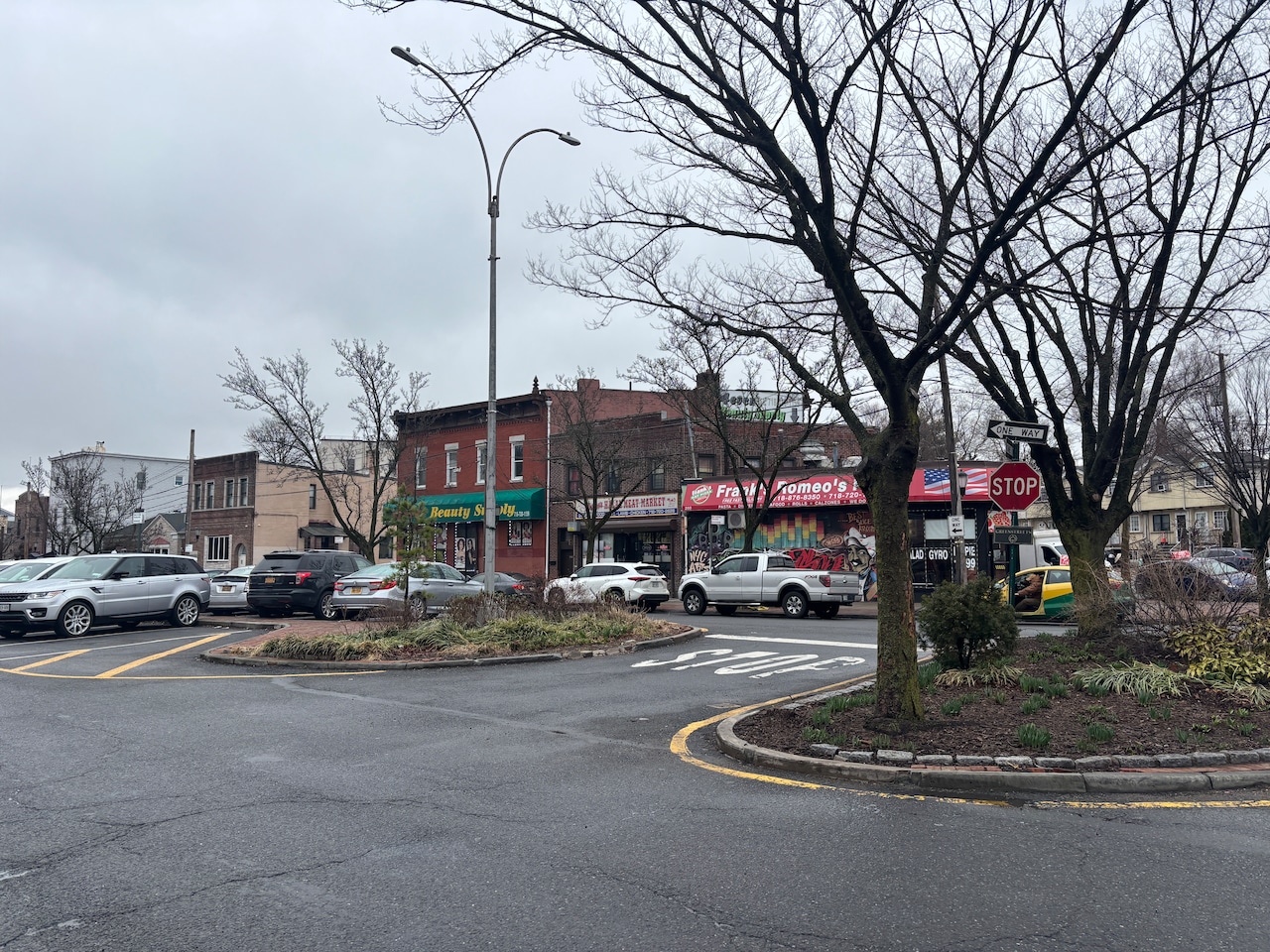 The view looking out from near the former 219 Canal Street property in Stapleton, photographed on Monday, March 23, 2026.
One‑shot waitress
In its early years, the Paramount was what Murphy called “an old man’s bar,” drawing merchant marines who swapped stories of far‑off ports. One night, he watched sailors sketch their ships on tablecloths.
“One guy disappeared, and a half hour later he comes in holding a glass bottle with the ship in it that he had built,” Murphy said.
There were no printed menus. Instead, a waitress would deliver her warning: “I’m going to tell you this one time, so listen up, because I’m not repeating myself.” Then came the options—hamburgers, fries, maybe catfish.
Beer was 35 cents. A “ladies beer,” served in a smaller glass, cost 25 cents. A sign at the bar read: “Unescorted ladies not permitted at the bar.”
Originally known as Joe’s Paramount, the bar took its name from bartender Joe McCarthy, who worked Friday and Saturday nights and whose moods were the stuff of neighborhood folklore.
“You never knew how he would be,” Murphy said. “Some nights he was the nicest guy in the world and everybody was getting free beers.”
Other nights were different. When Murphy once asked for a Bloody Mary, McCarthy snapped, “You want a Bloody Mary? Go to Demyan’s for a Bloody Mary,” and walked away.
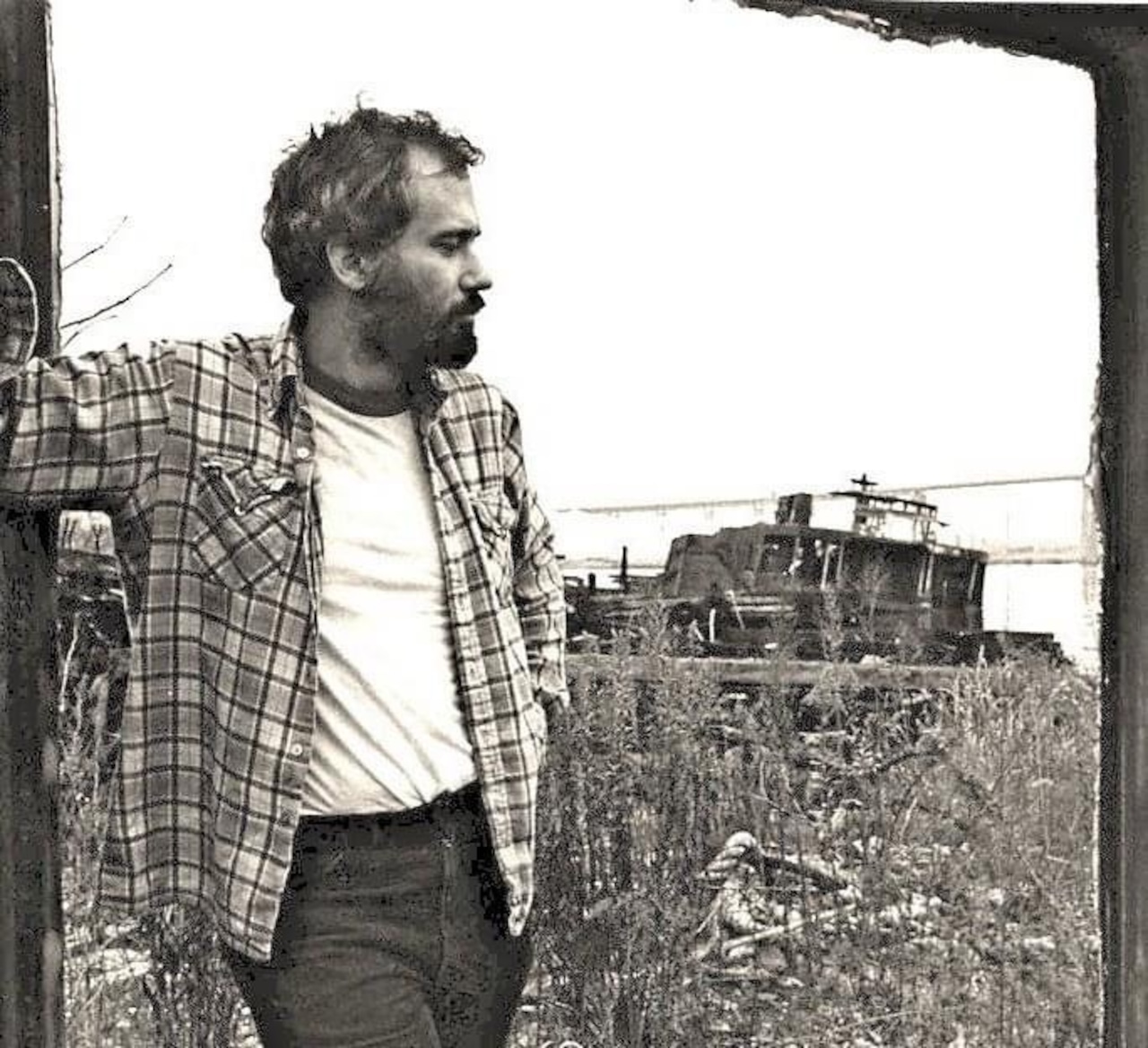 Back in the 1980s, Bill Murphy looks out at a ship graveyard off of Staten Island.
A hub for artists, lawyers and the Bay Street scene
By day, judges and lawyers from the nearby courthouse filled the bar. By night, it turned into a haven for artists, musicians and the Bay Street creative scene. Murphy photographed the Paramount extensively and later turned those images into two editions of lithographs. The first came in the early 1990s; a second, stylistically different version followed and included longtime owner and occasional bartender Charlie Lee.
The bar thrived during a vibrant stretch of Stapleton nightlife—a period Murphy summed up simply: “Stapleton was just jumping.” On any given weekend, you could bounce between two or three places and find live bands in all of them. The Paramount was the anchor in that circuit, a place where the neighborhood came together and stories were made.
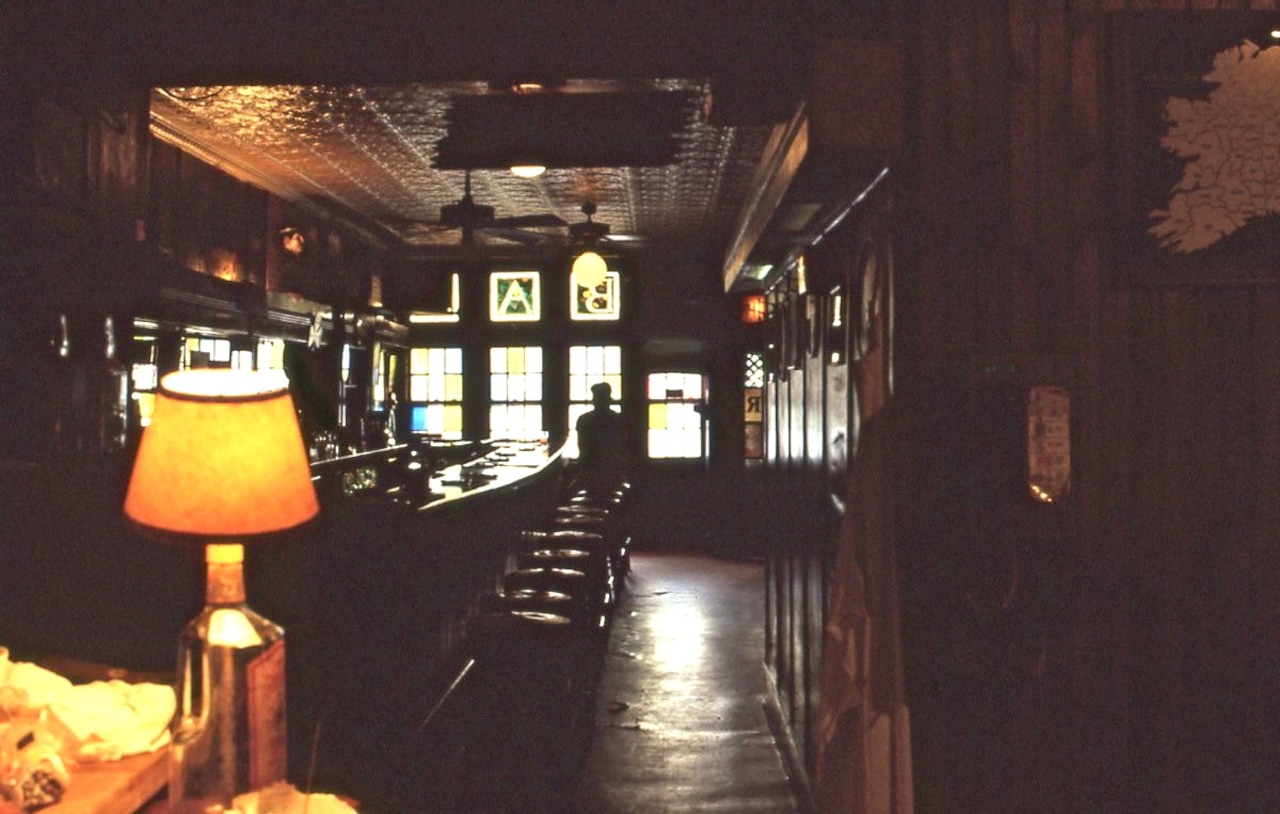 Bill Murphy’s view of the Paramount Bar & Grill. Courtesy of Bill Murphy
“It’s kind of like a landmark,” Murphy said. “My friends still joke around: ‘Are you going to the Paramount tonight?’”
Murphy’s drawing of the bar—the one featuring the bartender—now sells for $350. The Paramount itself once earned a spot on the New York Daily News’ list of the Top 10 bars in New York City, a distinction proudly framed on its wall.
The bar closed around 2001, and the storefronts that housed it later fell into disrepair and were damaged by fire, leaving behind little more than memories—and Murphy’s artwork, which preserves what once stood there. His work can be found at ABurningLight.com.
*An earlier version of this article said Lum Chin. The restaurant was Tung Bo.