
It may be hard to imagine, but there was a time when the education of our youngest New Yorkers was left in the hands of individual fiefdoms, leading to a lack of accountability and allowing corruption to run rampant. Everyone was in charge but the mayor.
That’s why, when Mike Bloomberg was running for City Hall and vowed to dismantle this system, I was honored to join his team.
In 2002, New York State wisely moved away from this fragmented model that did not have the best interests of students in mind, vesting governance of our schools with the mayor.
The state budget season is underway, and debates around mayoral control are re-emerging. The Legislature should extend mayoral control for the next four years, as the governor recommended, enabling parents, families and communities to hold one person accountable for the success of our students and giving the mayor and the chancellor the time needed to carry out their policies and initiatives to offer the best education possible to our students.
This is a topic with which I am intimately familiar. In 1992, I was appointed to the Board of Education by Mayor David Dinkins and saw firsthand the impossible complexity of decentralized control. The Board members were well-intentioned, smart public servants dedicated to improving our schools, as were many of those who served on the individual district school boards.
In reality however — and sadly — this structure gave way to constant battles and micromanagement, often preventing the mayor from improving the system and enacting any real change.
I was later named as a trustee to oversee a troubled local district board by then-Chancellor Rudy Crew and fully grasped the extent of the dysfunction. So it was the chance of a lifetime to help secure mayoral control and implement and oversee a centralized system as deputy mayor for education and then to serve as schools chancellor under Mayor Bloomberg.
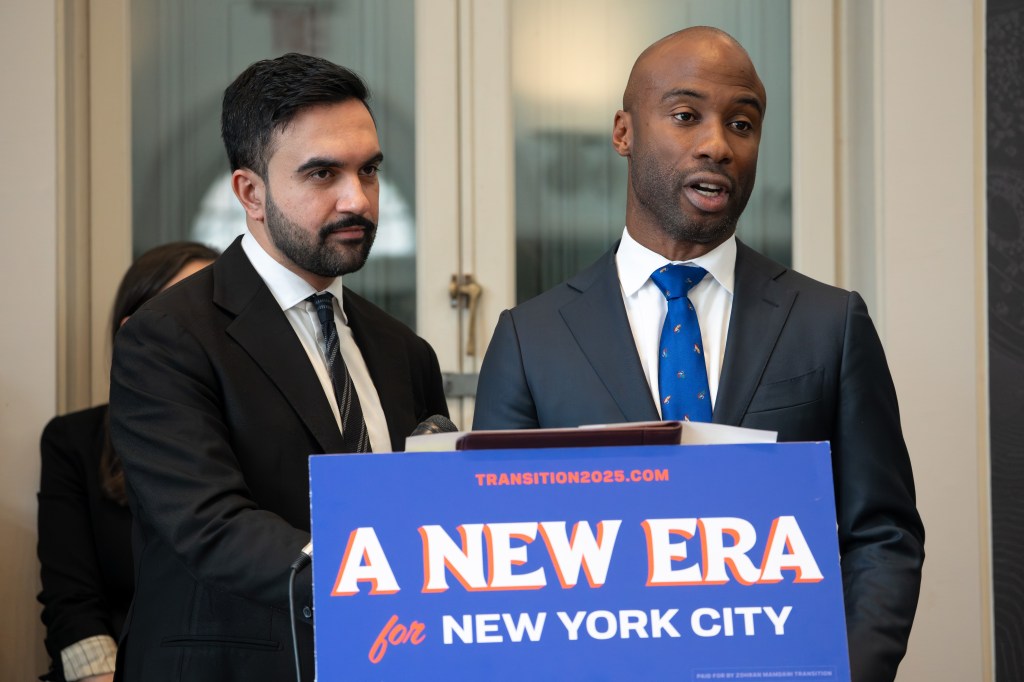
Mayors Bloomberg, de Blasio, Adams, and Mamdani all have different governing styles and ideologies. But all four understand the importance of having the buck stop with them. Mayoral control has outlasted individual mayoralties because Albany recognizes time and time again that mayoral control is the choice that puts our children first.
Under mayoral control, new schools opened and thrived, graduation rates rose to historic levels, and racial and economic achievement gaps significantly narrowed. Class size mandates have advanced, and Mamdani has the opportunity to deliver on his promise of accessible and affordable child care options families desperately need.
The repeated debates and uncertainty around control create instability for a large school system that is already exceedingly complex. In 2009, mayoral control lapsed during budget negotiations, and chaos followed. I served as the president of a temporary Board of Education and watched the city descend into debates over short-term control and the direction of our education system.
Fears about the potential harm of a return to the bad old days were palpable and soon faded with the reauthorization of mayoral control for six years. This timeframe provided the stability and predictability needed for long-term planning and averted the recurring debates about keeping the mayor in charge of the city’s schools.
The current system is not perfect — no system is. But this mayor has made clear his intention to ensure both genuine community involvement in schooling and accountability in outcomes. Instead of debating this issue every year and holding our schools in a state of flux, Albany should turn its attention towards working with the mayor to ensure our school system is working to its full potential.
Walcott, former city schools chancellor, is president and CEO of Queens Public Library.