
Charleen Hurtubise
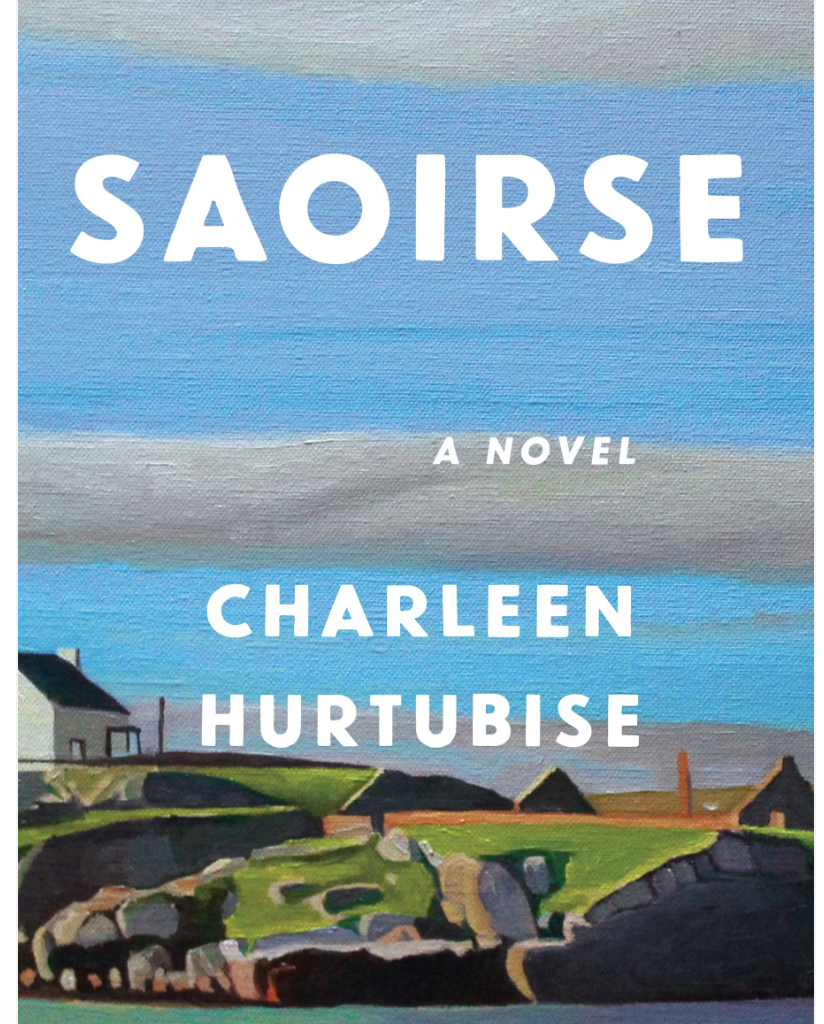
Saoirse: A Novel
Celadon Books, 2026
With a bit of editing, Charleen Hurtubise’s new novel might have read like a fast-paced, Reese Witherspoon optioned thriller, with Jennifer Garner or Jessica Alba attached to a rumored adaptation. Trim some of the big ideas about art. Shed some of the gorgeous nature writing about Ireland. Shift one or two violent scenes to an earlier chapter. The nightmarish crises endured by young, exploited women set Hurtubise’s plot in motion, and there’s a character who investigates “human trafficking,” another detail that resonates even more darkly and deeply amidst the slow-drip horrors of the Epstein files.
In the end, though, Hurtubise resists the urge to sensationalize the decade-spanning plot in Saoirse: A Novel, her second novel, and first released in the US. Hurtubise’s main character—who has no choice but to go by many names, including the book’s title (pronounced Sear-shaa)—is a seemingly-contented artist living with her husband and children in a “remote corner of Donegal,” in the fall of 1999. When Saoirse wins a prestigious award, however, the Irish Times report ominously notes that she “has established a reputation for maintaining a deliberate silence about her work and is generally unavailable for interview or comment.”
Why is that? And why is Saoirse—with her “Midwestern accent…not something she can turn on or off”—in Ireland in the first place? In Irish Gaelic, Hurtubise’s title means “freedom,” which turns out to be deeply ironic. Saoirse—despite her happy family and flourishing career—is bound and trapped in so many ways, as we learn when we spiral back to her brutal youth.
But that’s where the thrust of Saoirse’s narrative skids a bit.
We don’t initially see the horror of young Saoirse’s life, but instead the flight from it, when the “possibility of escaping from this nightmare had become her reality.” This mad dash to Ireland is a gripping read, with vast consequences for the rest of the novel. But it also means we’ll have to spiral back again later, to see precisely what Saoirse is running from. These alternating flashbacks, at times, detract from the immediacy of each different section. Hurtubise’s impressionistically violent scenes are, nevertheless, among the book’s most powerful, dominated by loathsome adults right out of Dickens. One “Mr. Blackburn,” for example, drags a student “to the classroom door and throws him against the lockers.” As for Saoirse, her father is a mystery, while her mother is “the cause of her now broken heart.”
Many of young Saoirse’s more gruesome experiences are conveyed through descriptions of art works she’ll produce later on. Some of these passages teeter on the edge of cliche—”illicit material” smuggled “across state lines,” “brown paper bags” with ominous contents, inadvertent fingerprints, and even a wealthy “heiress’s home.” Other moments, though—the “swish of a shower curtain,” for example—are unbearable and unforgettable.