
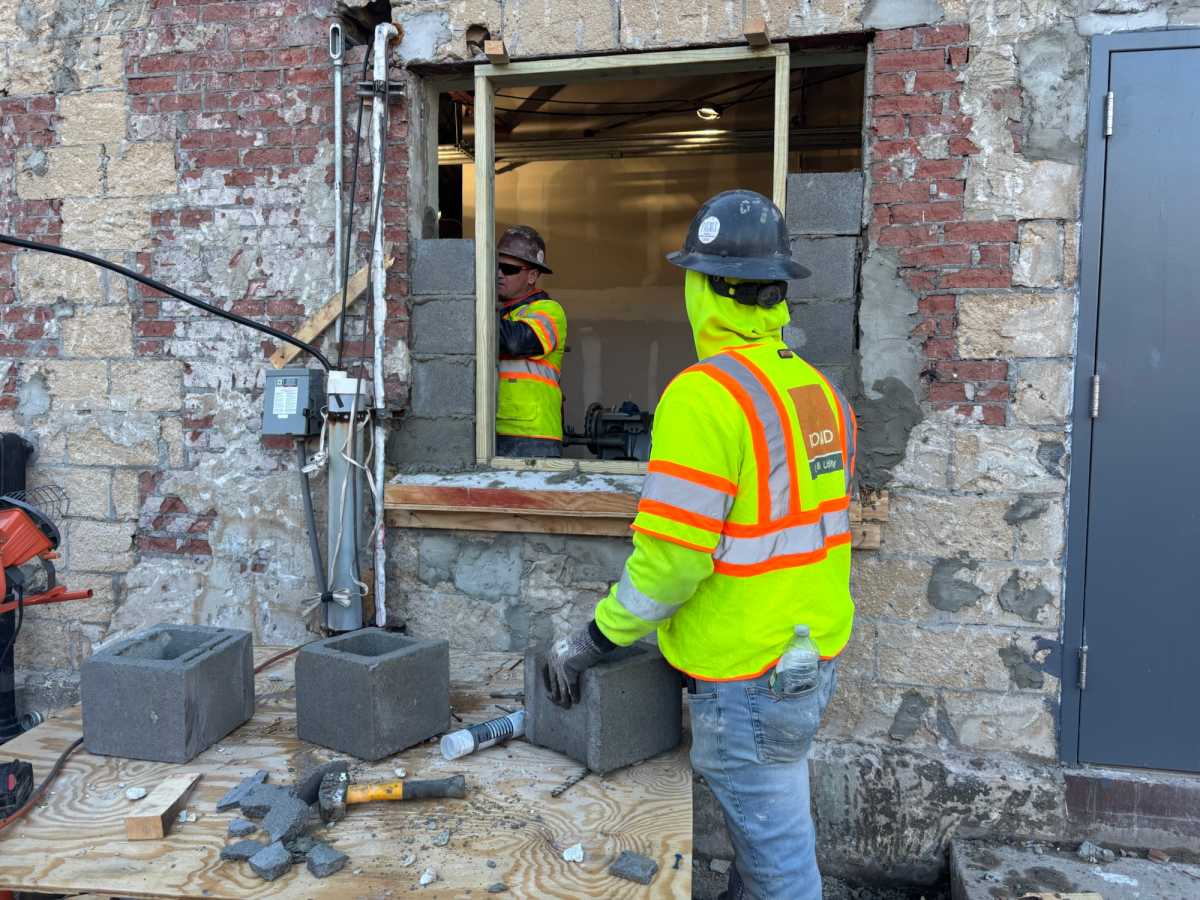
On the heels of a winter that broke natural gas demand records, National Grid New York is nearing completion on replacing key Staten Island infrastructure that helps supply close to 100,000 customers and doing other work across the grid.
Brooklyn-based National Grid New York told amNewYork about the two-phase replacement of the Grasmere Gate Station, a roughly 50-year-old piece of natural gas infrastructure on Staten Island, as the company upgrades and modernizes energy infrastructure.
National Grid New York delivers natural gas to 1.3 million customers in Brooklyn, Queens and Staten Island as well as 600,000 in Nassau and Suffolk counties, and serves 2.3 million gas and electric customers in upstate New York, totaling 4.2 million customers statewide. Consolidated Edison supplies gas to customers in Manhattan and the Bronx.
Since natural gas lines are buried and out of sight, most of the infrastructure is invisible, but National Grid New York’s Grasmere station, located at the back of a Staten Island parking lot, gave a rare glimpse of workers peeling away the pavement to show technology, beyond pipes, that helps supply New York City with natural gas.
“Think of it as a highway. We need to get this gas at higher pressures,” said Paul Cama, lead project manager for National Grid’s complex gas construction. “And we need to regulate that pressure down to a gas pressure that can be delivered to customers.”
This equipment, the largest such station on Staten Island, was built in 1975 and today serves about 80,000 customers, ranging from residential to commercial and industrial.
“This is a full soup to nuts rebuild,” Cama added. “We replace basically every piece of mechanical equipment and components within the station. It improves our safety systems, and strengthens the physical structure.”
The work was done before, during and after a particularly cold winter in New York City, including record natural gas demand on February 7, 2026 and several other days that broke natural gas demand records.
“These brutally cold temperatures continue to underscore the critical role natural gas plays in keeping the lights and heat on for millions of homes and businesses in New York,” National Grid New York President Sally Librera said in a written statement regarding natural gas, which also provides fuel for electricity generators.
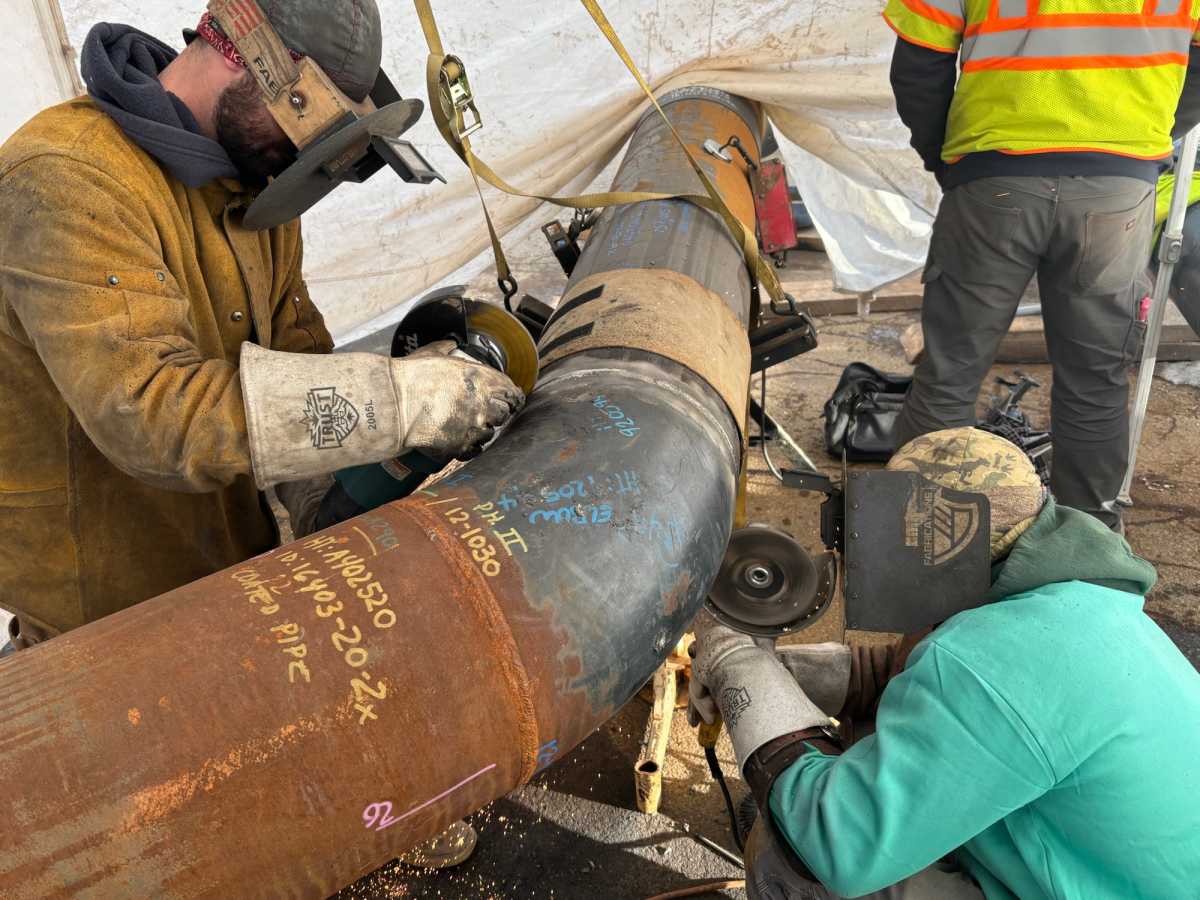 National Grid is doing work on Staten Island infrastructure.Photo courtesy of National Grid
National Grid this month said it won an Edison Electric Institute Emergency Response Award for its efforts after extreme weather and other natural events, based on reactions to bad weather.
EEI CEO Drew Maloney said “keeping the lights on and restoring power quickly after severe weather” requires “extraordinary preparation and the dedication of highly skilled workforces.”
The award cited response following’ Halloween 2025 winds, Thanksgiving day wind and ice, wind and snow on Dec. 18, and winter storm Ezra in late December.
National Grid, however, said preparation includes crew response as well as infrastructure upgrades in Brooklyn, Queens and Staten Island to be ready for rising demand.
“Our investments in Staten Island are as substantial as what we’re doing in other areas of our service territory,” National Grid New York spokesman Alexander Starr added. “The level of expertise and attention are the same.”
While natural gas’s peak season is during the cold months, it’s a key part of the city’s energy picture all year long.
“Natural gas consumption peaks during the winter months, primarily due to heating demands,” Starr said. “However, its usage extends throughout the year and isn’t limited to residential settings.”
Starr said that natural gas also plays a crucial role in providing hot water and fueling cooking appliances.
“This consistent demand is even more pronounced within commercial environments, where natural gas supports a wide range of daily operations,” Starr said. “With its versatility and reliability, natural gas remains an essential resource across both residential and commercial sectors, regardless of the season.”
Work on Grasmere continued throughout a particularly cold New York City winter, with phase one done from March to October 2025, followed by phase two, which started in November and is expected to be completed this June.
“It couldn’t be done in one year,” Cama said. “It ties back to the size and complexity of this project. We had to sequence construction activities.”
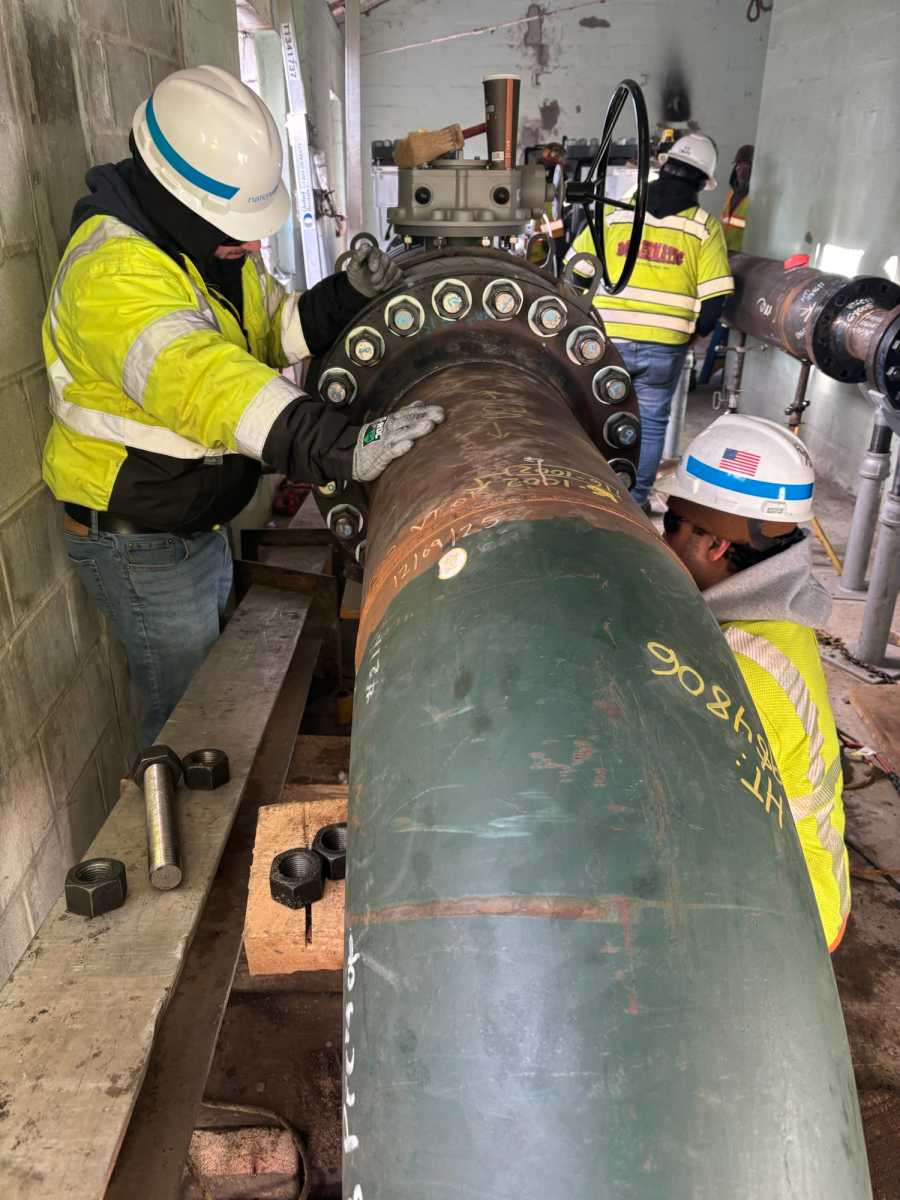 National Grid is doing work on Staten Island infrastructure.Photo courtesy of National Grid
The technology, Cama said, modernizes a unit in ways designed to provide long-term benefits. “When you do these upgrades, technology improves,” Cama continued. “The pressure regulation equipment, our registers, our readings. It’s more efficient.”
Starr said this was part of a continuing investment in safe, reliable energy delivery to homes, schools, businesses and nonprofits. “It’s a part of an umbrella approach of maintaining and upgrading our system,” he said.
National Grid sought to inform the neighborhood of work done on weekdays. “We were really proactive in terms of reaching out to immediate stakeholders,” Cama said. “Our job site was pushed further back into the parking lot, so it didn’t have an immediate impact on customers.”
They took advantage of the summer, when gas demand and usage are lower, taking the station out of service in April so no gas flowed through it. But they also needed to bring it back into service during colder weather.
“We had a strict deadline,” Cama said. “Before it gets cold, in October, to get this station up and running, to flow and regulate gas to support higher demand usage in the winter.”
They worked weekdays, replacing and rebuilding the gate station now in its final phase before final commissioning and connection to the grid. “Summer is on its way,” Cama added. “With warmer weather, the demand is lower. We’re prepping to take this regulator station out of service, to do the final tie-ins where we connect what we just built to our gas system.”
Starr said it’s important to continue investing in infrastructure to meet current demand and be prepared for growing demand. “Upgrades need to take place to keep pace and be ahead of the curb when it comes to energy demand for today and the future,” Starr said.