
I wasn’t expecting to feel transported.
Not in Williamsburg, not off Bedford Avenue, not inside a neighborhood that’s built on constant turnover. But somewhere between the garden room and a perfectly composed plate of duck confit, Juliette does something rare: it slows everything down.
And then it keeps you there.
Juliette isn’t new. That’s part of the point. As the French bistro celebrates its 20-year mark, it’s entering a quieter kind of evolution not a reinvention, not a relaunch, but a recalibration. The kind you notice more in how a place feels than what it says about itself.
There’s a rhythm to it.
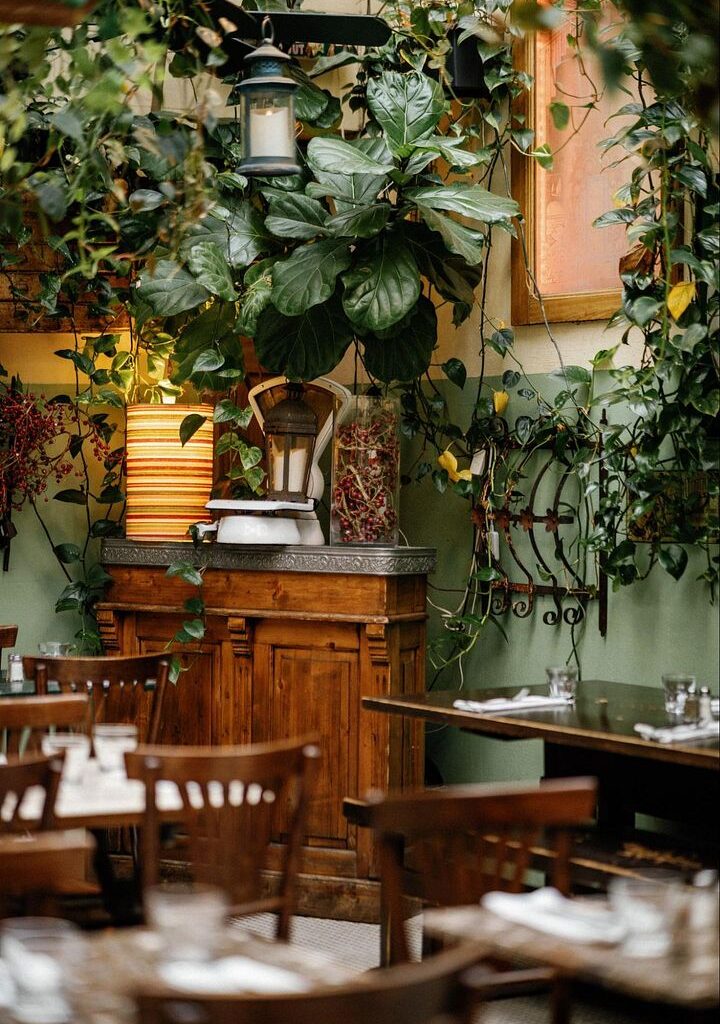
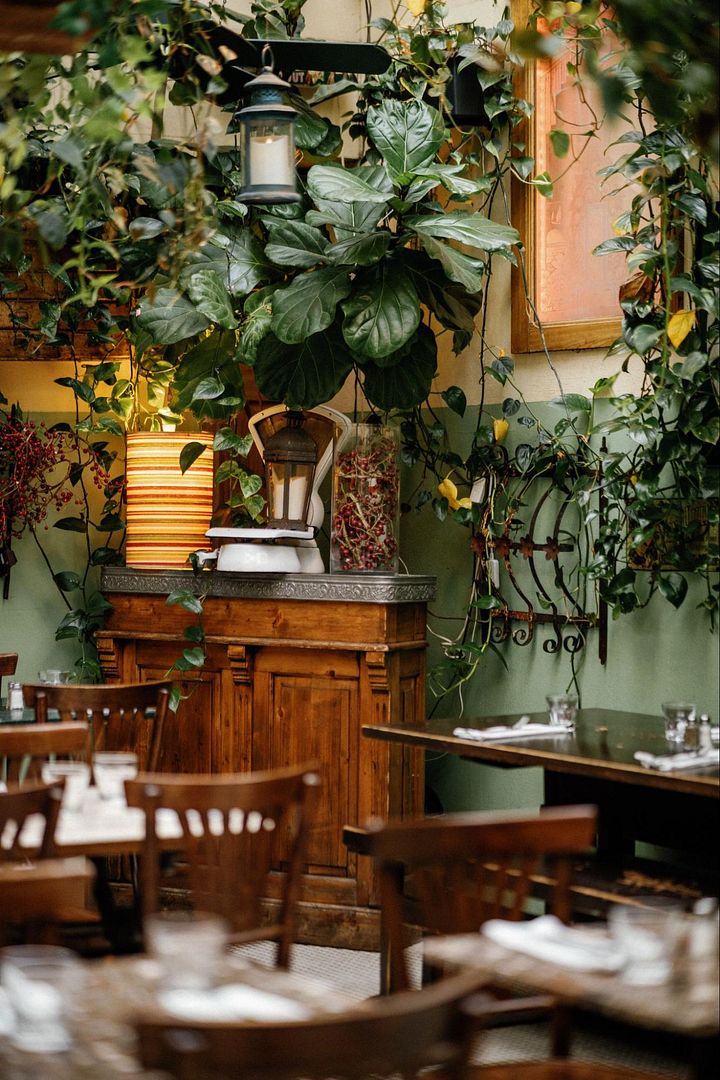
You walk in and the space unfolds gradually with a bar that hums without being loud, a dining room that opens into an indoor garden where greenery hangs overhead, and, in warmer months, a rooftop that feels just removed enough from the city below. It’s not designed to impress in a single moment. It reveals itself over time.
Which is exactly how people experience it.
A Kitchen Reset, Not a Reinvention
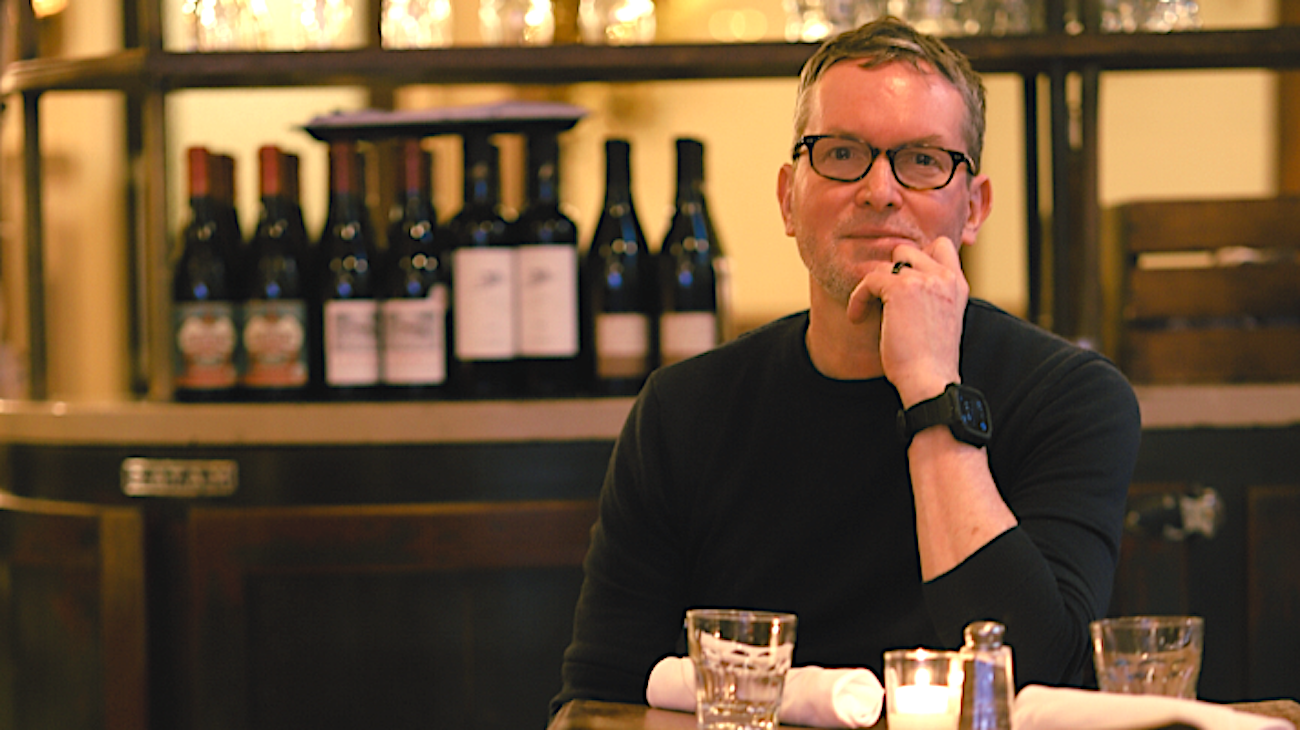
The return of Chef Michael Clancy marks a shift, but not in the way restaurants typically announce change. There’s no hard pivot, no conceptual overhaul. Instead, about 75% of the menu has been reworked with a clearer point of view: classical French technique, less excess, more intention.
Clancy’s background at Bouley, Domaine Chandon, and time spent training under Michelin-starred chefs in France shows up in restraint as much as execution.
The food doesn’t try to surprise you. It tries to get it right.
The duck confit is a good example. Crisp where it should be, tender where it matters, balanced with wilted frisée, green apple, and a cider-maple vinaigrette that cuts through the richness without competing with it. It’s composed, but not precious.
Elsewhere, steak tartare leans traditional, served with egg yolk and toasted bread, while escargot arrives with garlic, parsley, and anise butter that feels rooted in brasserie familiarity. Even the beet salad with butternut squash hummus and feta feels like it belongs, rather than trying to modernize for the sake of it.
There’s a through-line: clarity.
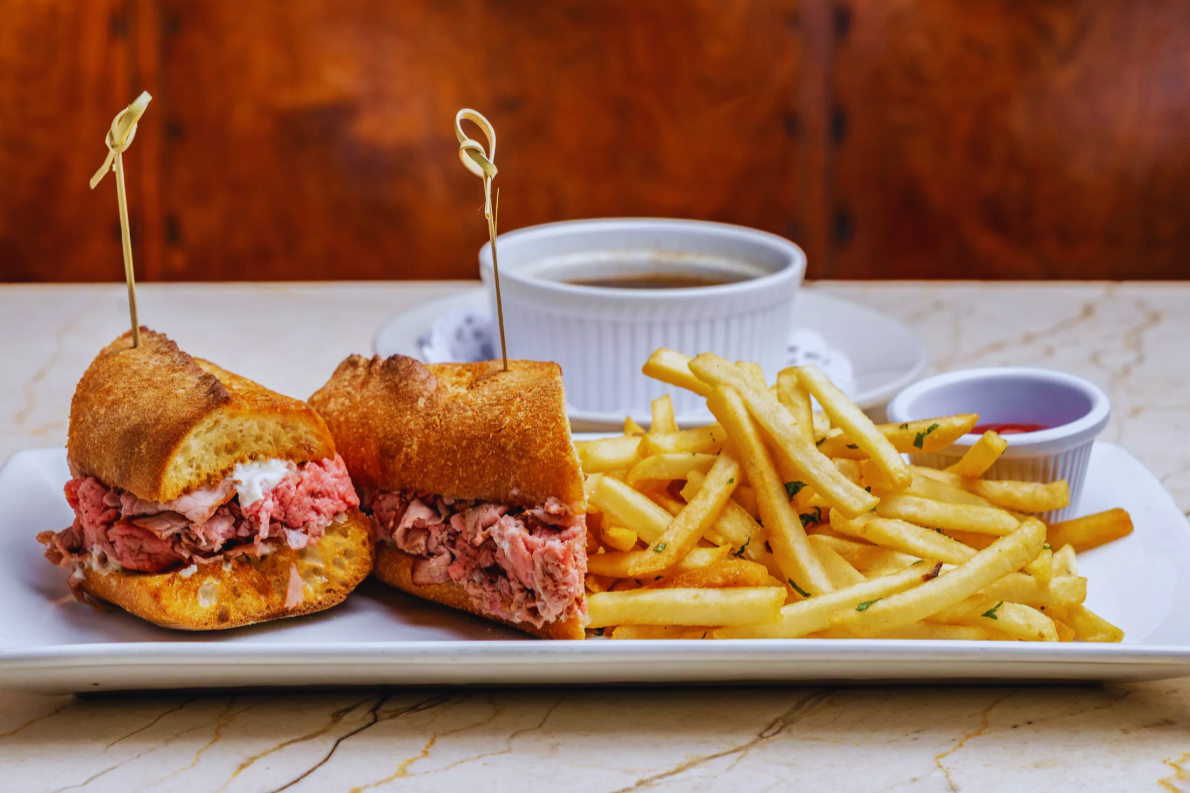
The French Dip That Wasn’t Supposed to Lead
Then there’s the French dip.
It’s not traditionally French, and yet it’s become something of an anchor here. Slow-roasted Black Angus beef layered onto toasted bread, served with au jus and a sharp roasted garlic–horseradish cream, with the option of Gruyère melting into everything.
It shouldn’t define the menu, but it explains it.
There’s a directness to the dish: no unnecessary flourishes and no overthinking, that mirrors the broader approach of the kitchen right now. It’s less about rewriting expectations and more about executing something familiar exceptionally well.
And that, increasingly, is what stands out.
What Juliette understands and what many newer restaurants don’t, is that longevity isn’t built on novelty.
It’s built on return.
There’s a reason people come back here: for date nights that turn into longer dinners than planned, for group tables that stretch across courses, for the feeling that you don’t need to rush. It’s the kind of place where the second visit feels easier than the first.
That sense of familiarity is part of its identity. It’s also part of its relevance.
In a neighborhood that often prioritizes what’s next, Juliette operates differently. It doesn’t chase attention. It holds it.
Even its place in local history feels understated as the restaurant where Mayor Zohran Mamdani and his wife, artist Rama Duwaji, had their first date, another detail that adds to its presence without defining it.
By the end of the meal, what stays with you isn’t a single dish.
It’s the feeling of the room. The pacing. The way the menu fits the space. The sense that everything is working in quiet alignment.
Juliette doesn’t present itself as something to discover.
It’s something you settle into.
And in a city that rarely pauses, that might be the most transportive thing of all.