
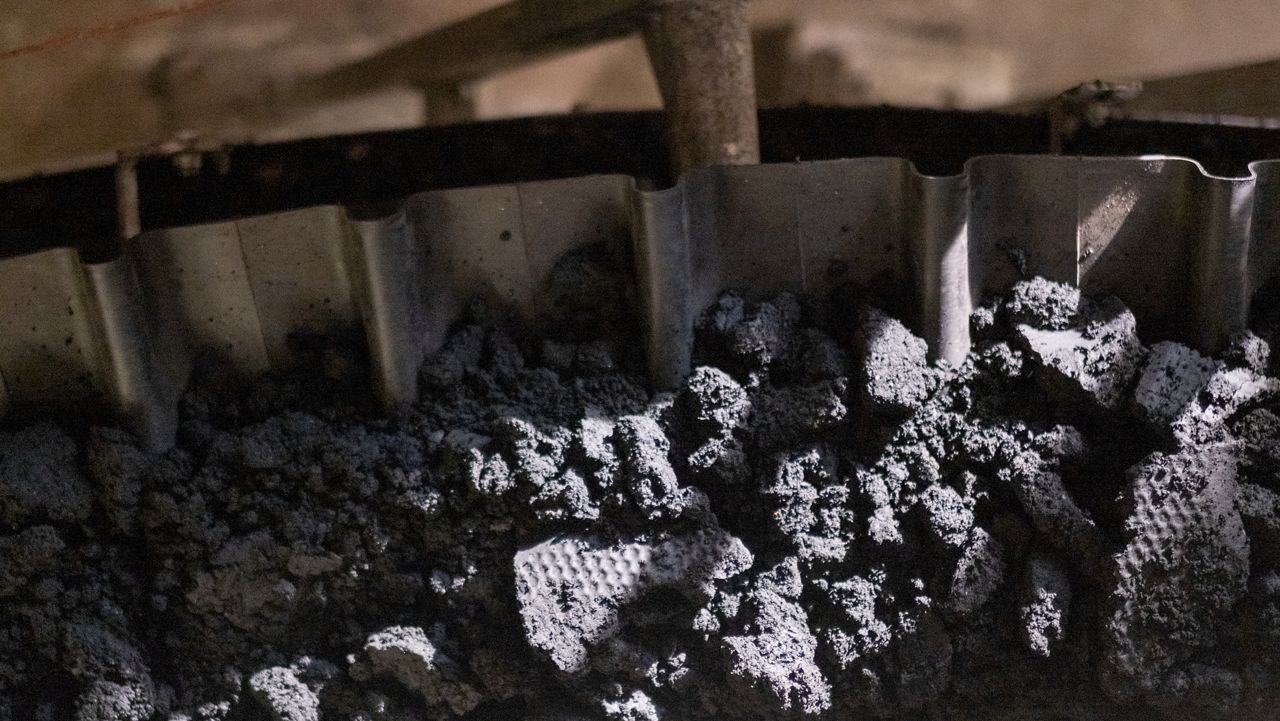
Seventy agricultural businesses and organizations issued a letter to members of the state Legislature, Gov. Kathy Hochul and other state leaders pushing them to pass the bill proposing a five-year moratorium on land spreading sewage sludge.
“Our farmland, our water and our people cannot be treated as dumping grounds for toxic sewage sludge. New York must act to end this practice once and for all,” the letter reads. “While promoted as a form of recycling, contaminated sewage sludge in reality poses a grave and growing threat to our communities.”
Sewage sludge, also known as biosolids, is the product of the wastewater treatment process and can be used on farmland as fertilizer. However, residents in Steuben and Albany counties believe the practice led to their wells being contaminated by per- and polyfluoroalkyl substances (PFAS), and bacteria such as E. coli and coliform.
The letter is addressed to the Legislature, Hochul, Commissioner for the Department of Environmental Conservation Amanda Lefton and Commissioner of Agriculture Richard Ball. Among the groups that signed the letter are the Environmental Advocates N.Y., American Farmland Trust, New York State American Academy of Pediatrics and more. The groups range from environmental, health, water safety and individual farms.
It calls on the state and Legislature to pass a moratorium on the spreading of biosolids, study the extent of past spreading, prioritize farmer and community protections for those who have been previously impacted by landspreading of biosolids, and invest in alternatives for sewage sludge disposal.
The state Senate’s one-house budget proposal included a $10 million for the agricultural PFAS response fund. The New York Farm Bureau, the state’s largest agricultural lobby group, issued a memo regarding its support for testing biosolids for PFAS prior to applying them to farmland. Although, the memo, written by Director of Public Policy Renee St. Jacques, said they do not have a current policy on all aspects of the bill.
“Farmers want to ensure that the biosolids do not contain PFAS and are safe to use before considering any land application,” the memo said.
The New York Farm Bureau says the agricultural PFAS response fund would incentivize farmers and landowners to test their soils if biosolids were spread there within the last five years, but issued a word of caution if PFAS is found on farmland.
“NYFB also appreciates the inclusion of funding in this legislation that would support farmers if certain levels of PFAS are found during the testing of farmland, but there are questions on what will happen to the land if the PFAS levels are too high. There are many reasons PFAS can be found in groundwater and soil. Currently, there is no known path forward to remediation of land. The question is whether any amount of funding would be able to support New York’s farmers with this loss of farmland,” the memo said.