
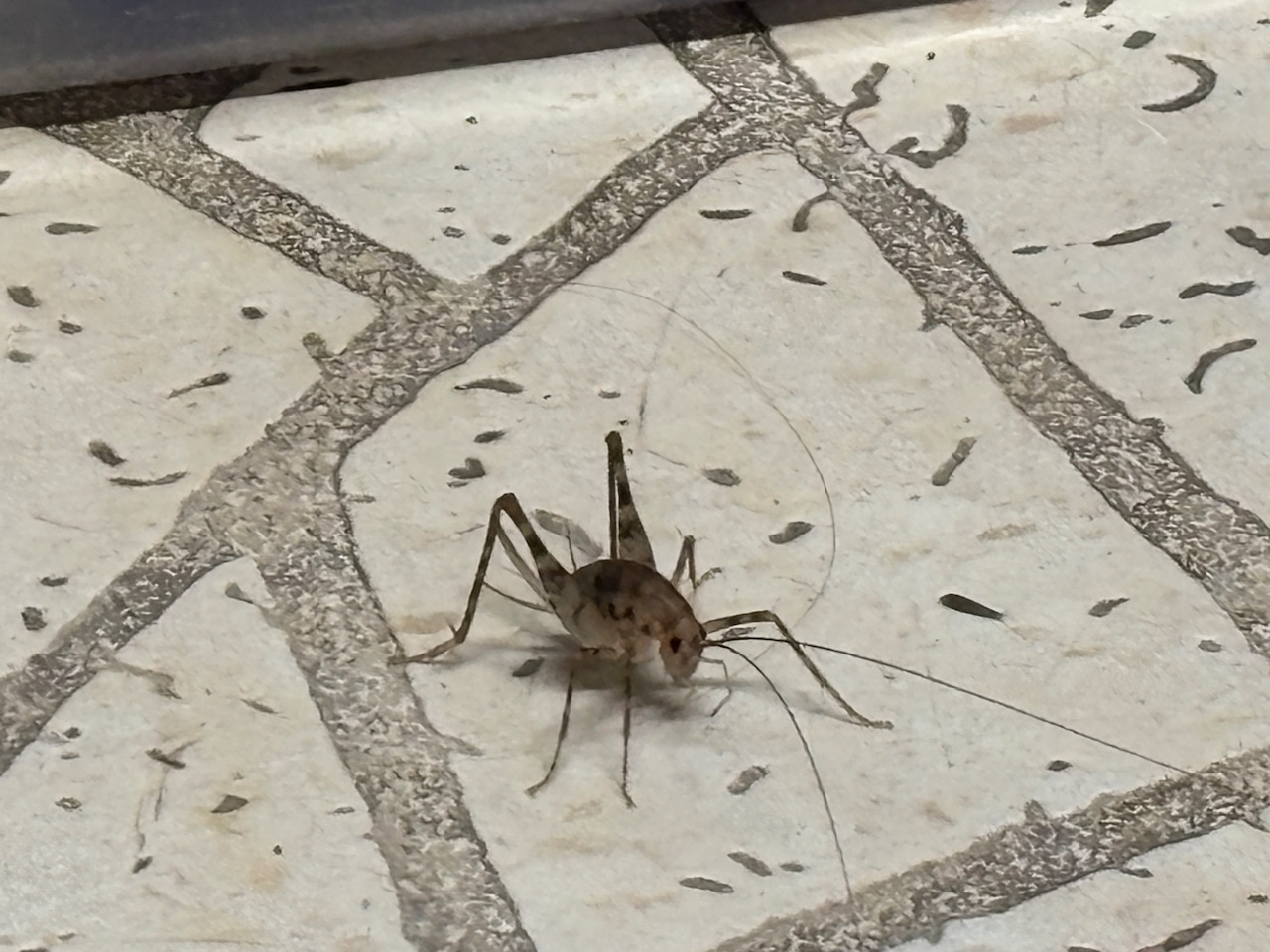
STATEN ISLAND, N.Y. — My younger son is usually good about doing his own laundry, but the other day he drew the line when he spotted a “large” bug near the washing machine. On Monday at 5 a.m., I found the culprit—a cricket. And “large” was an understatement.
First of all—I am not afraid. But I did the next logical thing any naturally curious mother in the journalism business would do: I called the experts and turned it into a story.
Nature’s garbage disposal
On the bright side, crickets are omnivores and will eat almost anything—from animal waste to decaying organic matter, explains Mark Loffredo of Post Exterminating in Stapleton, a family business dating back to 1947.
“They’re like the garbage disposal system of the natural world,” he said. Crickets often move indoors when temperatures drop, seeking shelter in garages and basements.
Staten Island hosts several species, he said, including mole crickets, Jerusalem crickets, and camel crickets—the latter being big and often mistaken for spiders. Our interloper was of the camel kind. Loffredo seemed impressed.
“They scare the hell out of people,” he said, adding a chuckle. “They don’t bite, but they look creepy.”
Expert insights
After more than three decades in the bug business, Mike Buonocore of A. Aardvark Pest Control Corp. in Great Kills seemed unfazed by my cricket confession.
And that name? Perfect. Because real aardvarks are insect-eating machines—native to Africa, they can devour up to 50,000 ants and termites in a single night with a 12-inch sticky tongue and powerful claws. Nocturnal and burrowing, they’re nature’s pest control—a clever nod to bug-busting.
Back to New York City reality: Buonocore said sightings spike every fall, from late September through mid-November, as temperatures drop and insects seek warmth indoors.
“It’s not unusual—it happens every year,” he assured. Dry weather isn’t a factor: “It has nothing to do with water. It’s just seasonal behavior.”
Crickets, along with other pests, tend to appear in basements and garages during this period, invading through cracks and crevices in walls and foundations.
“Some people can go years without seeing them, then suddenly have an infestation,” Buonocore noted. They don’t bite, but they do linger through winter.
And for the record: future guests, no worries—I do not have an infestation. Dude was a rogue cricket.
Fixes and fun facts
The common culprits are field or black crickets, which are often heard chirping in homes and apartments. Though some worry about stings, crickets have no stingers.
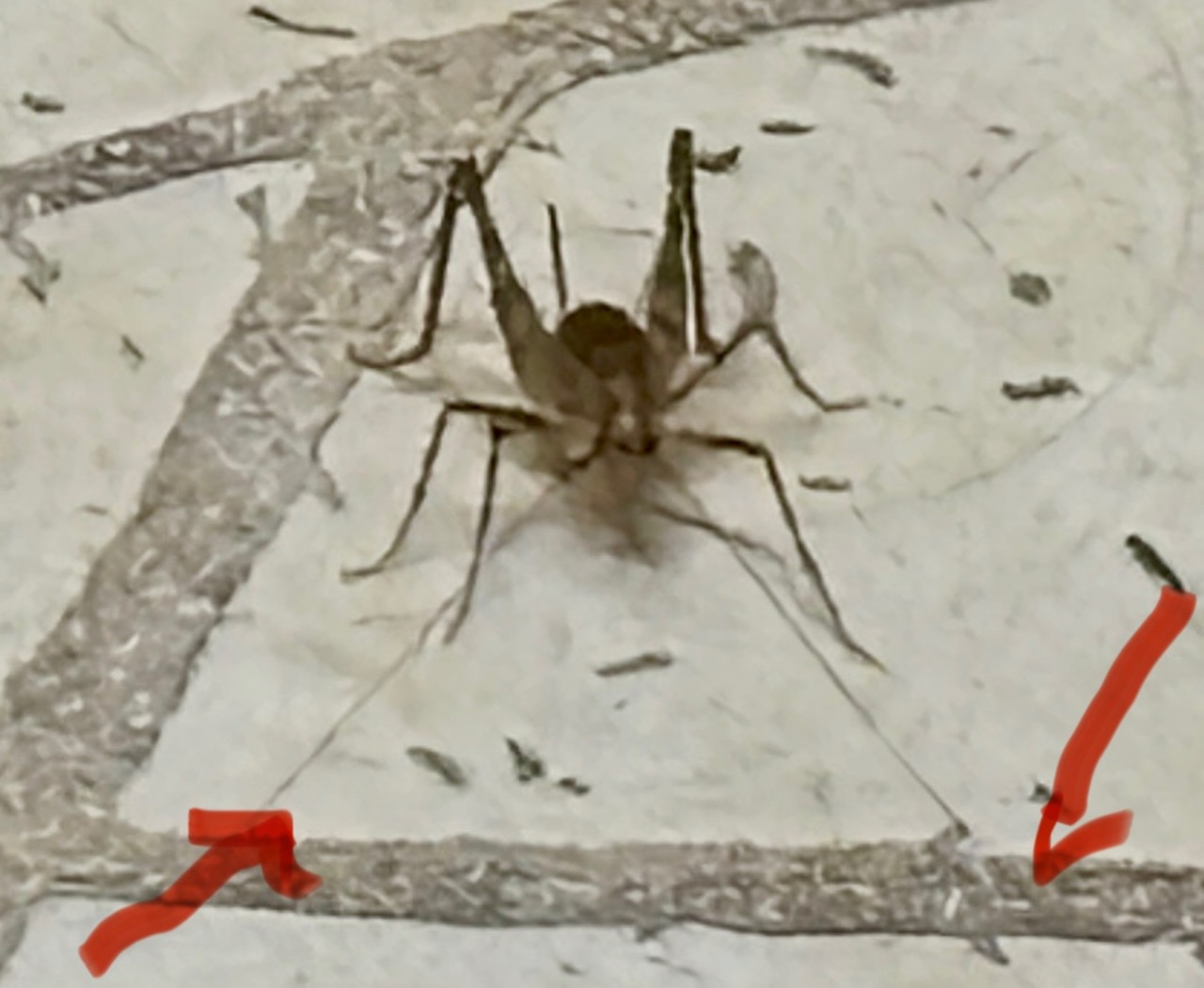 Looks like a stinger, acts like a nursery: the cricket’s ovipositor is for egg-laying, not attacking.(Advance/SILive.com | Pamela Silvestri)
“One thing that’s fascinating is the ovipositor,” Loffredo said. “It looks like a long stinger, which scares people, but it’s actually an egg-laying organ females use to inject eggs into warm, moist soil.”
Crickets even have a mischievous side: “They’ll rip apart spider webs and steal the catch,” Loffredo added.Oof—graphic, but a workable visual for a pest punchline.
Loffredo finds their cheep-cheep sound—created when they rub their wingtips together—rather pretty. In fact, he owns a small cage, traditional in Chinese culture, for keeping crickets as pets.“It’s a calling sound. The males are more vocal than the females,” he said.
Solutions? Glue boards and professionally applied insecticide granules around the home’s perimeter, says Loffredo.
Crickets on the menu? Not quite
As food is my usual beat, the answer is still no—crickets haven’t made it onto Staten Island restaurant menus. Occasionally, chapulines (dried grasshoppers) can be found in Mexican grocery stores on Port Richmond Avenue, lending a pleasant crunch to tortillas, if you so please.
Happily, the Kings Arms still serves their own twist on a Grasshopper cocktail—a blend of crème de menthe, white crème de cacao, and heavy cream—a nod to bugs on a more pleasant note.
If you purchase a product or register for an account through a link on our site, we may receive compensation. By using this site, you consent to our User Agreement and agree that your clicks, interactions, and personal information may be collected, recorded, and/or stored by us and social media and other third-party partners in accordance with our Privacy Policy.