
 3 min read
Sustainability and warmth often feel at odds when designing a home you’ll love for a lifetime. You want all the modern conveniences while maintaining a space that feels layered and lived-in—yet still conveys durability and climate readiness without sacrificing an ounce of beauty. Actress and interior designer Brooklyn Decker suggests the answer doesn’t necessarily lie in revolutionary technology, but in something rooted in the past: vintage furniture.
At the fifth annual Hearst Eco-Conscious Living Summit held on April 7, Decker, along with James Hardie Vice President, Global Sustainability Amanda Cimaglia, designer and preservation advocate Jaime Rummerfield, joined VERANDA Editor in Chief Steele Marcoux in a conversation about resilient beauty and the future of the forever home. When asked how to balance sustainable practices with warmth, Decker pointed to the furniture-making legacy rooted in North Carolina, where she currently resides, as inspiration for using vintage pieces in her own home and projects.
 Getty Images for Hearst Magazines
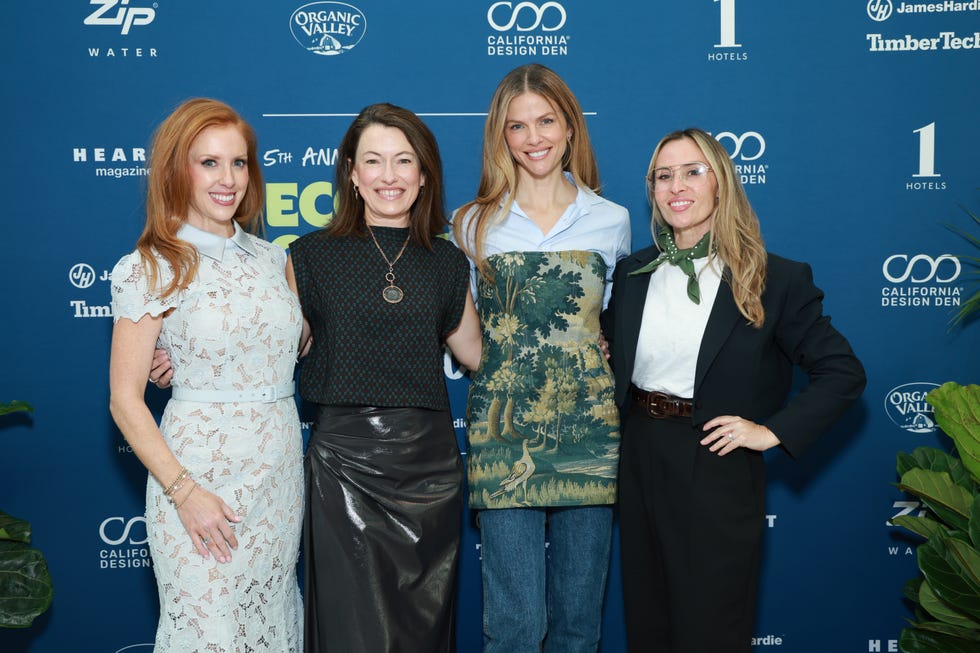
Amanda Cimaglia, Steele Marcoux, Brooklyn Decker, and Jaime Rummerfield at the fifth annual Hearst Eco-Conscious Living Summit.
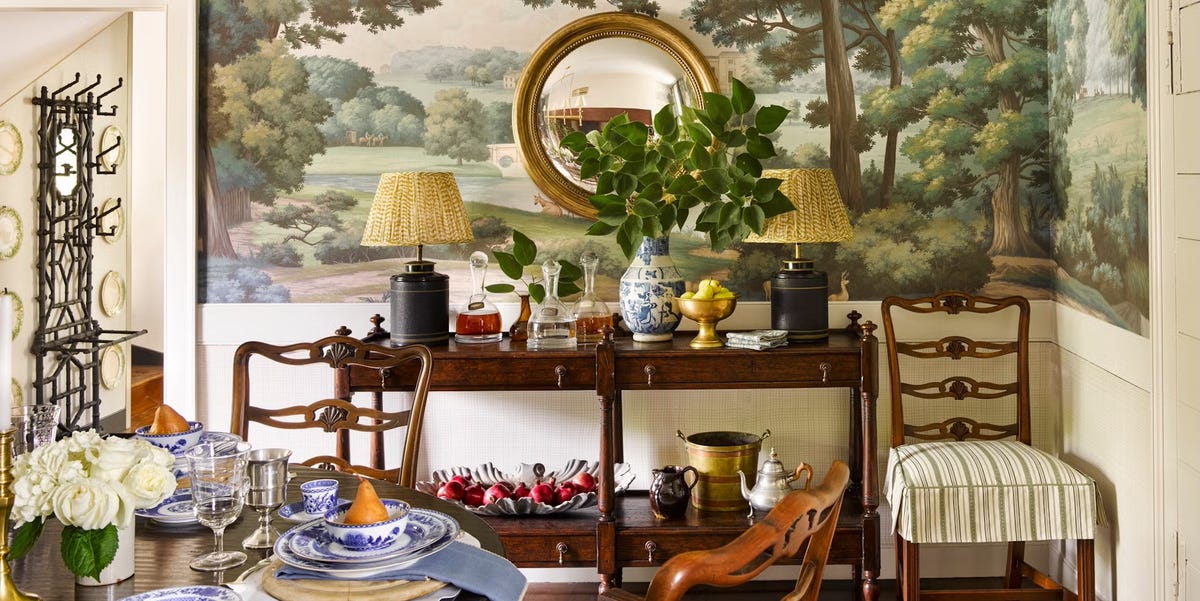
“When I think about sustainability and bringing warmth into a home, the first thing I think about is vintage, and incorporating sort of the old-world way of making furniture, that’s very much rooted in the geography of the place,” said Decker.
She later added in the conversation, “A whole home design can be, in my experience, built around a piece, a really interesting, fascinating, one-of-a-kind piece that a client loves, or that we found, that just gives so much storytelling and lasting permanence to a home.”
The designer also mentioned that the ease and attainability—that is, no long lead times or hidden tariff costs—of shopping for antiques and vintage pieces locally make for a much more sustainable process. Plus, historic furniture notoriously tends to be made with more durable materials that can handle the wear and tear of daily life. “With clients, I think a lot of people used to be very nervous about vintage and the durability,” said Decker. “I would always say, if this has lived 100 years before you, it’s probably going to live 100 years after you.”
In addition to shopping vintage, Decker also emphasized the importance of working with local craftspeople for any custom furniture. “I’d be hard-pressed to find a new piece of furniture that rivals the quality of something that’s handmade,” said Decker.
She went on to add that collaboration with the local workroom also reduces your impact on the supply chain, as well as the environmental impact of trying to have something shipped overseas. Plus, these trades tend to use local materials that end up making the piece more cost-effective and contribute to the integrity of their work.
While the sustainability and quality of custom furniture certainly make it worth the investment, for Decker, being able to dream up a one-of-a-kind piece, from start to finish, that showcases the human touch makes the investment all worthwhile. “We see how valuable that hand feel is for people,” said Decker. “You just feel the story in your home when that’s the case.”
The fifth annual Hearst Eco-Conscious Living Summit was presented by James Hardie, in partnership with 1 Hotels, Bloomeffects, California Design Den, Organic Valley, and Zip Water, with special thanks to Buena Vida Specialty Coffee, Misen, Pipette, and SeaVoir Wellness.

Sarah DiMarco (she/her) is the associate editor at VERANDA, where she produces and edits engaging content covering design, architecture, art, gardening, and travel. Since joining the team in 2019, she has written captivating house tours, in-depth features on emerging design trends, practical gardening guides, and inspiring travel stories. Over the course of her five-year career, she has cultivated a strong network of multidisciplinary designers whose expertise she frequently draws on for her stories. Prior to joining VERANDA, she earned her master’s degree in Magazine, Newspaper, and Online Journalism at Syracuse University. When she’s not writing or researching her next feature, you’ll find her experimenting in the kitchen, making pottery, or volunteering at the Desert Island Supply Co.