
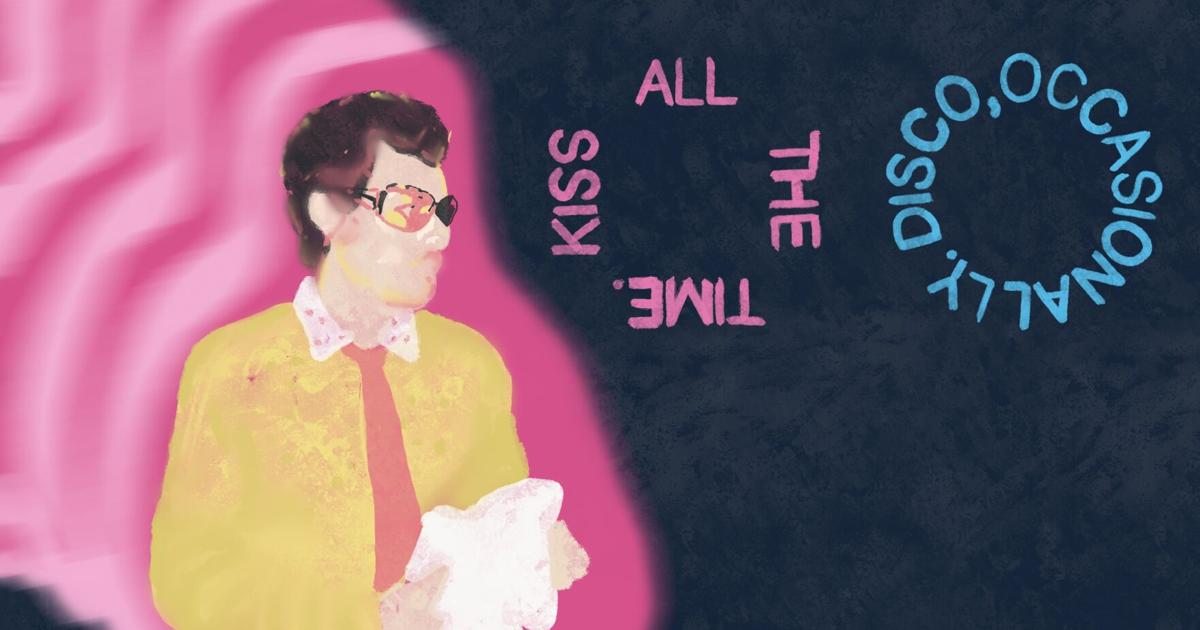
For years, Harry Styles has built his career on bringing live music directly to fans worldwide. From packed arenas to sold-out tours and iconic moments like “Harryween,” his concerts have created a powerful sense of connection among audiences.
But with his newest concert plans, that connection is beginning to shift.
Instead of traveling city to city, Styles is staying in select locations for extended periods. For many fans, this means the excitement of seeing him live now comes with a new challenge: getting to New York City.
Rather than going on a traditional tour, Styles is choosing residency-style performances with shows in 50 select cities worldwide. His only U.S. stop, however, is New York City, where he is set to perform for 30 days.
While residency-style shows are not new to the music industry, this decision stands out because it limits U.S. fans to a single location. As a result, fans across the country are left without a realistic opportunity to attend.
Traveling to New York City is expensive, especially for those who do not live nearby. Between flights, hotels, food and concert tickets, attending a show can quickly become financially unrealistic for many. What was once a relatively simple experience of buying a ticket and driving to the venue now requires significant planning and finances.
Traditional tours allow artists to connect with diverse audiences in different cities, each bringing its own energy and culture to the performance. By staying in one place, Styles loses some of those dynamic interactions, and fans miss out on the personal connection that comes from seeing an artist in their own city.
Residency performances also create a sense of exclusiveness around live music. Instead of being a widely shared experience, concerts become accessible primarily to those with the time and finances to travel. This shift alienates parts of his fanbase.
At the same time, Styles has said that residency suits his lifestyle and well-being, as they reduce the physical and emotional strain that comes with constant travel.
Touring is indeed exhausting, and an artist prioritizing their well-being is both valid and necessary. Artists do not owe us anything and are not obligated to sacrifice their health for our accessibility.
It is, however, hard to ignore how many lifelong fans are feeling excluded and unable to participate in an experience that once felt within reach.
As more artists adopt residency-style performances, a growing divide in live music emerges between those who can experience it and those who cannot.
If live music is no longer accessible to audiences and becomes something they must chase, it risks losing the connection that makes live music meaningful in the first place.
Sydney Greenspan is a junior majoring in Journalism with minors in Communication Studies and Psychology. You can reach her at sydneygreenspan@dailynebraskan.com.