
Not all train stations are stops along a trip; some are attractions in their own right. For instance, Japan just opened the first 3D-printed train station. It is a great way for the Japanese government to deal with its decreasing workforce, as it only requires a few hours of work to be assembled.
Closer to home, some Amtrak train stations are even better than the trains themselves. Many times, this is thanks to their unique architecture, such as the famous Grand Central Station in NYC, Cincinnati Union Terminal, and Amsterdam Centraal (the Netherlands). However, sometimes, these structures get abandoned and fall into ruin.
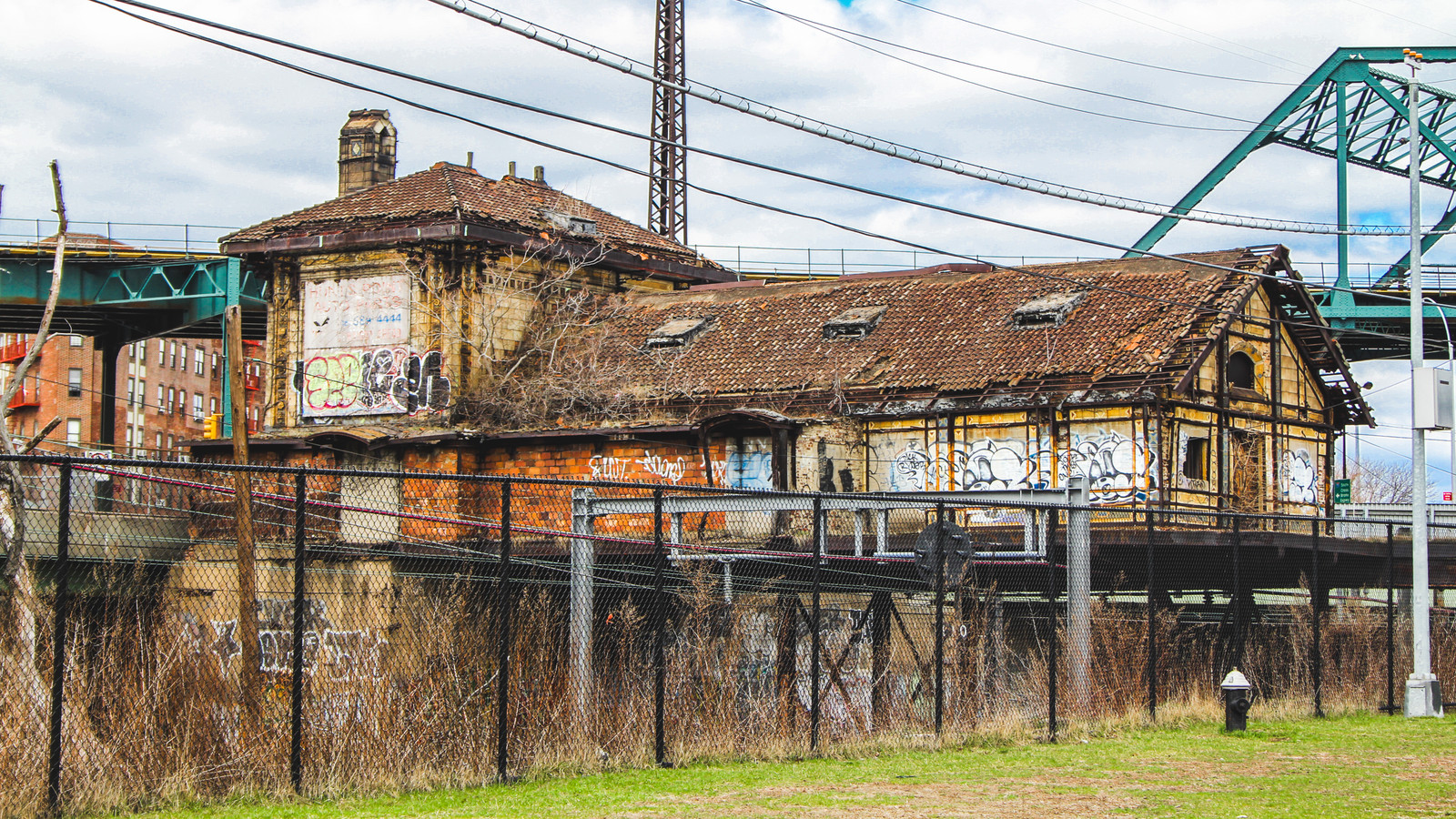
This is the case with Westchester Avenue Station in the Bronx, NYC; however, it now seems that this site may be repurposed.
Westchester Avenue Station Was Opened In 1916 And Closed In 1937
Westchester Avenue Station, Bronx, NYCCredit: Jim.henderson, Wikimedia Commons
Westchester Avenue Stationwas considered an architectural marvel when it was first built between 1908 and 1916. It is one of the thirteen train stations designed by Cass Gilbert, a local architect, for the New York, New Haven & Hartford Railroad Company.
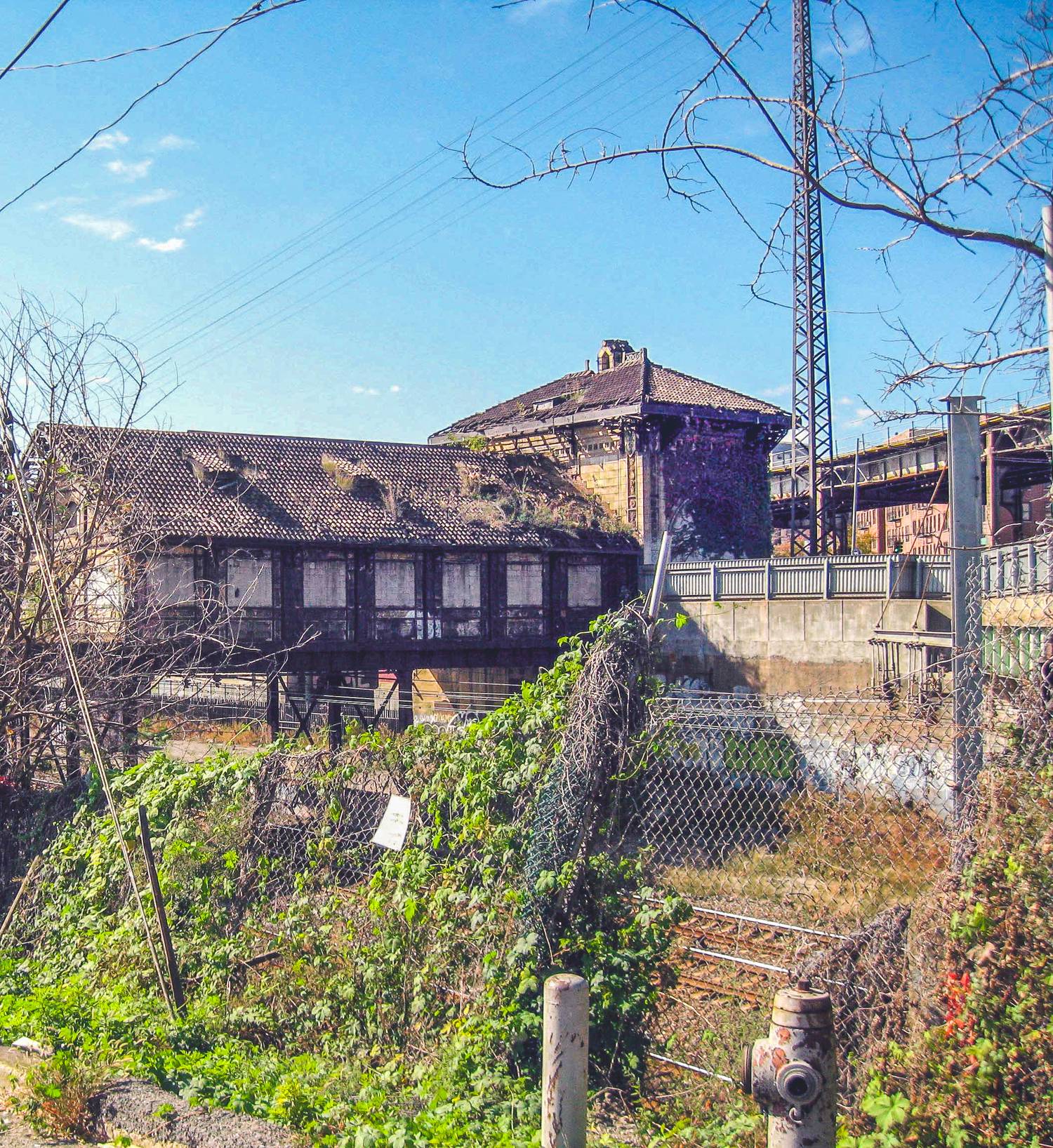
Located at the corner of Westchester Avenue and Sheridan Boulevard, the facade of Westchester Avenue Station featured glazed terracotta tiles and carved panels with geometric and flower patterns.The structure consists of a waiting room that hangs over the active Amtrak Northeast Corridor lines, with another building section on solid ground.
While many may not be familiar with Westchester Avenue Station, some have probably already seen some of Gilbert’s other work, such as the United States Supreme Court, the Saint Louis Art Museum, and the state capitols of Arkansas, Minnesota, and West Virginia. These buildings are renowned for their unique beauty.
Cass Gilbert became famous in 1899 after winning the design competition for the Customs House at Bowling Green, now the Alexander Hamilton U.S. Custom House in Manhattan.
Most of the stations designed by Mr. Gilbert were destroyed, and the only remaining ones are Hunts Point Avenue, City Island, Morris Park, and, of course, Westchester Avenue Station. Unfortunately, the station was closed on December 31, 1937, and is now one of the many mysterious abandoned train stations worldwide that will give you chills.
What Happened To Westchester Avenue Station In The Bronx?
While Amtrak doesn’t own the Westchester Avenue Station, it does own the tracks the station sits on (the Hell Gate Line). In the early 2000s, Amtrak decided to demolish the building, but the Bronx River Alliance opposed its destruction. The nonprofit organization wanted to repurpose the site, so the demolition was postponed.
Years passed without much happening until 2013, when Amtrak met with local stakeholders to discuss possible repurposing plans. The best idea came from SLO Architecture, a design firm of partners Amanda Schachter, AIA, and Alexander Levi.
They called the project the Bronx River Right-of-Way.
SLO Architecture’s official website: “Bronx River Right-of-Way (2012- ongoing) proposes the relocation and adaptive reuse of the abandoned Westchester Avenue Station, currently off limits and in ruins along the Lower Bronx River. The building is one of thirteen station-stops designed between 1908 and 1916 by Cass Gilbert, for the defunct New York, New Haven & Hartford Railroad. Bronx River Right of Way provides a strategic framework for re-situating the Westchester Avenue station house as a vital node within the Bronx River network, by re-siting it in adjacent Concrete Plant Park, linked to the waterways and waterfronts of Greater New York.”
The plan is to relocate the station above the Bronx River near Concrete Plant Park. This park opened in 2009 and extends over seven acres, previously used by an industrial facility along the Bronx River. Thanks to its new location, the station will be linked to the waterways and waterfronts of Greater New York.
The project consists of restoring the building’s tower and waiting area to serve as a grand park’s entrance. From here, a pedestrian bridge and a ramp would then be added to connect the station to the park.
Westchester Avenue Station Information
Built between
1908–1916
Designed by
Cass Gilbert
Closed In
December 31, 1937
Location
The Bronx, NYC
The design firm has already secured two rounds of funding from the federal Environmental Protection Agency, but this organization is not the only one working on this project. Several nonprofits and local associations, both public and private, are involved in this ambitious undertaking. Some of these include the South Bronx Overall Economic Development Corporation (SoBro), the Youth Ministries for Peace and Justice (YMPJ), the Bronx River Alliance, and Loving the Bronx.
What’s Going On At Westchester Avenue Station Now?
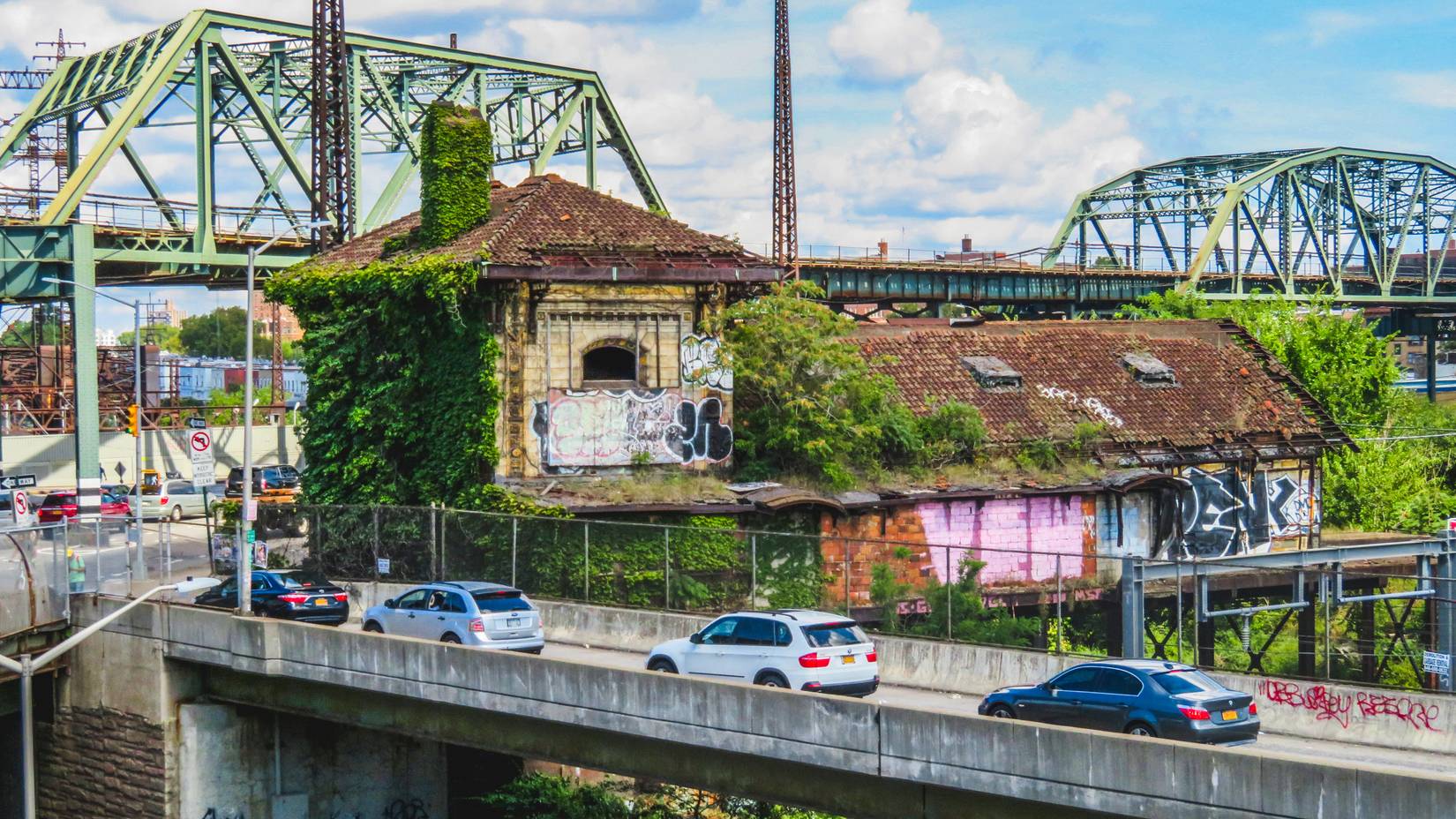
Westchester Avenue station from Whitlock Avenue stationCredit: Pi.1415926535, Wikimedia Commons
Today, the vine-covered ruins of the historic Westchester Avenue Station will not be revived; instead, the Penn Station Access project will extend Metro-North Railroad service to the East Bronx via four newly built stations. However, there are ongoing efforts to secure funding for redeveloping the 1908 station into a “community hub for residents and cyclists,” connecting the community to the nearby Bronx River Greenway.
In 2024, an art installation was organized at Westchester Avenue Station to display art that would draw attention to this site and hopefully increase community awareness and involvement in the station’s ‘rejuvenation process.’ The YMPJ continues to work on the site’s restorations and is exploring potential revitalization projects, including turning it into a community hub or public art space.
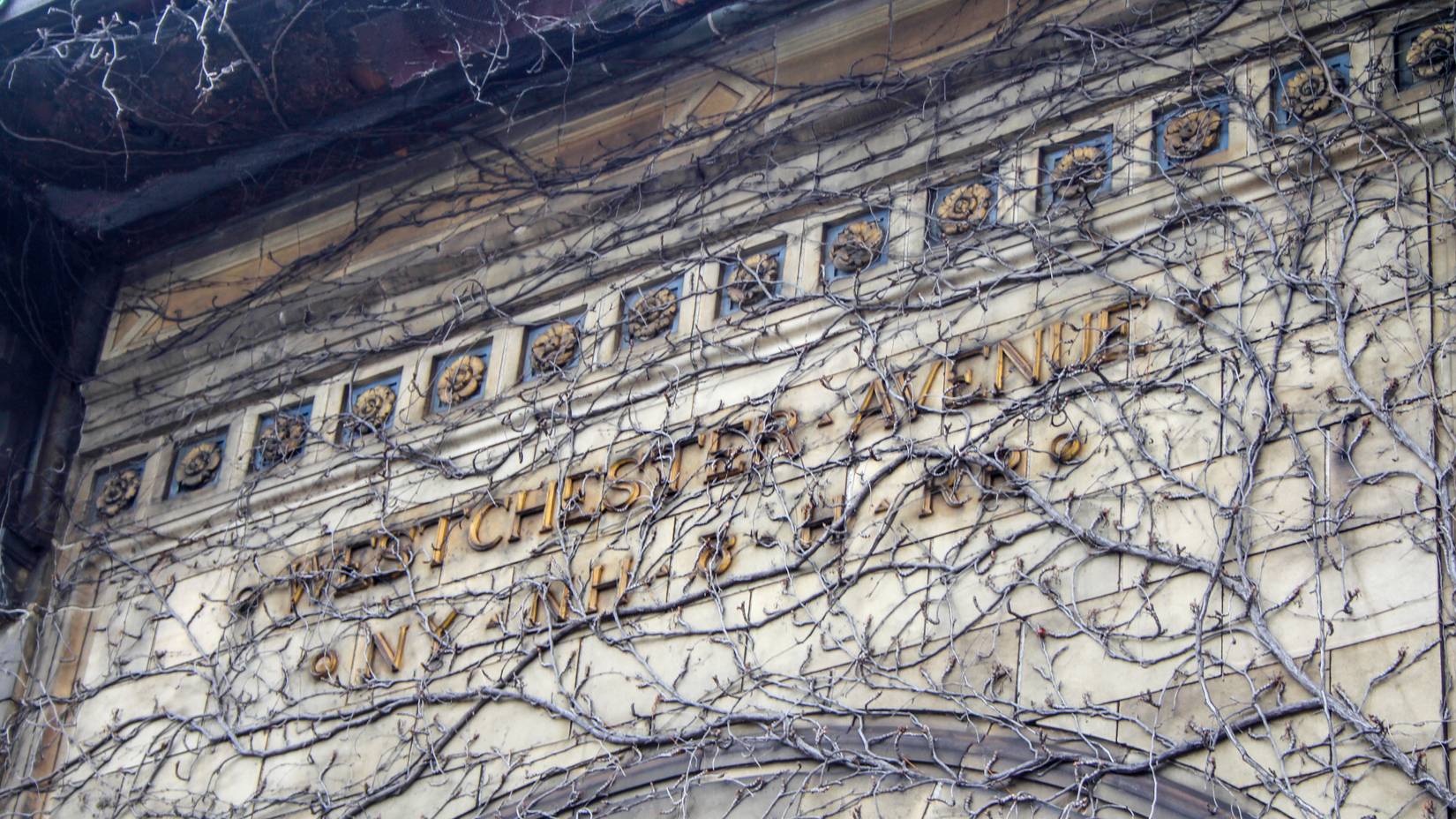
Westchester Avenue StationCredit: Peter Greenberg, Wikimedia Commons
Hopefully, Westchester Avenue Station will one day become one of the many attractions in the Bronx, popular among both locals and tourists. Unfortunately, as of today, much work still needs to be done on this “hauntingly beautiful ruin,” with boarded windows and a failing roof. It remains unclear when and if this project will ever be completed.