
Editor’s note: This “It’s Debatable” column ran in the Sept/Oct 2025 issue of Adirondack Explorer magazine. Click here to subscribe to the magazine. In this regular column, we invite organizations and/or individuals to address a particular issue. The question: Should New York change its open season on coyotes?
Unchecked coyote killing is cruel, ineffective, and puts wolves at risk
By Nadia Steinzor
Wild animals have long been eradicated out of fear or mere convenience. Long-persecuted species like coyotes, wolves, cougars and bobcats still roam thanks to their tenacity and conservation laws. Yet how much humans are willing to coexist with their wild neighbors remains unclear, in large part because of misguided hunting and trapping rules.
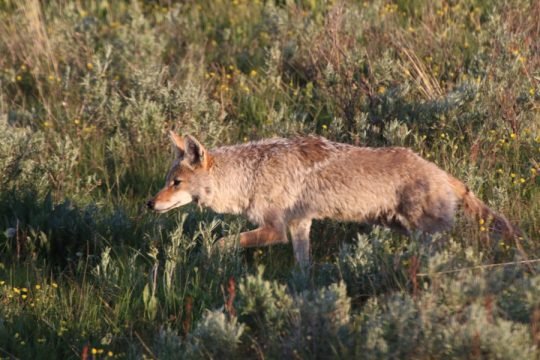
Coyotes lead the pack in this regard. New York’s Department of Environmental Conservation allows an unlimited number of coyotes to be hunted day and night with bait, electronic calls and lights. Coyotes can be left suffering in traps up to 48 hours. DEC doesn’t require reporting of the number, sex, size or location of coyotes killed—essential information for wildlife management based on data, not conjecture.
Coyotes play a critical ecological role by regulating rodent populations and facilitating species diversity. Decades of study show that lethal “control” methods are ineffective because coyotes respond with increased breeding. Disrupting pack structure creates more conflicts with people by opening territories to juveniles prone to seek unnatural food sources like garbage and small pets.
RELATED READING: Coalition pushes state to include wolves in updates to conservation plan
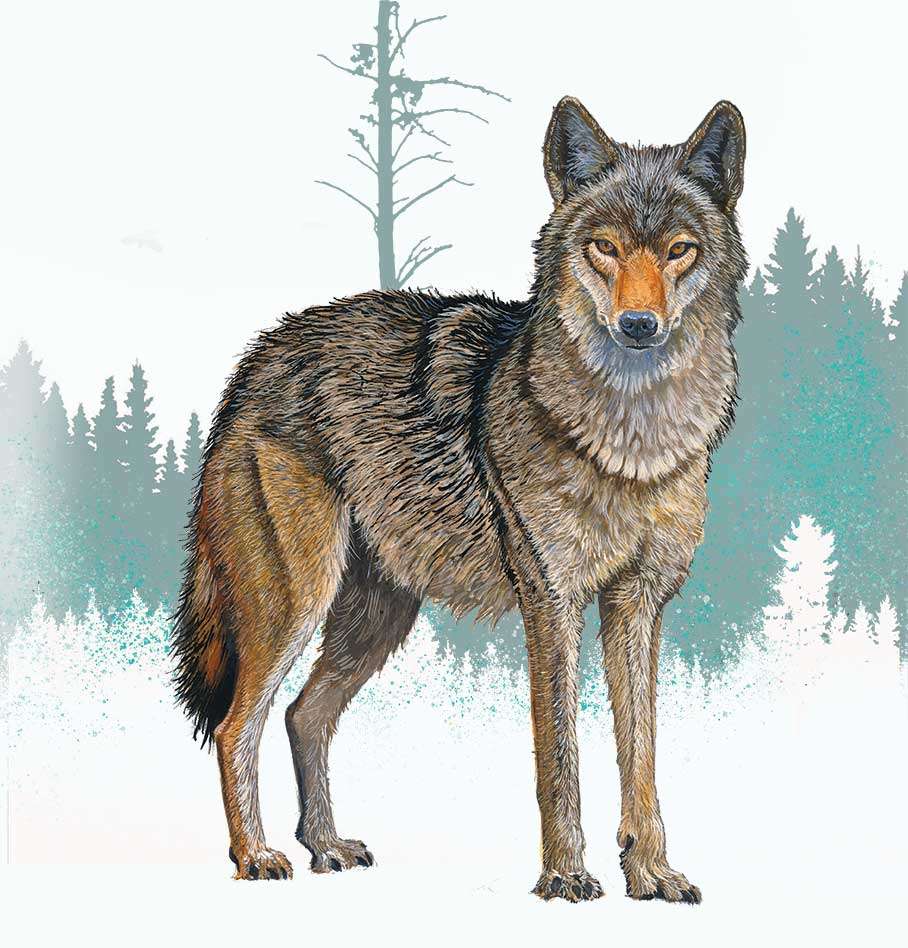
These are sufficient reasons to change how New York treats coyotes. But now the state must also consider the return of the wolf, an endangered species that—in contrast to its coyote cousin—is protected under state and federal law. Yet lines of size and appearance between the two species can be blurry, particularly in the eastern U.S. where many animals are genetic “hybrids.”
In 2021, in Cooperstown, a hunter shot an animal he assumed was a coyote but was an 85-pound wolf. This tragic error has been documented many times across the Northeast, yet state agencies insist that hunters can distinguish between wolves and coyotes. Perhaps when observed side by side—but what about a single animal seen at a distance or in the rain, snow, dawn or dusk?
At absolute minimum, New York should limit the number of coyotes that can be hunted and trapped, prohibit night hunting, and require reporting of all wild canids killed that are over 50 pounds. DEC should also list the wolf as a “Species of Greatest Conservation Need” in its 2025 State Wildlife Action Plan, which guides the recovery of native species.
Ending the rampant killing of coyotes and coexisting with them instead makes ethical and ecological sense—including to protect the wolves that are already here or trying hard to return to the land they historically called home.
Nadia Steinzor is the carnivore conservation director for Project Coyote, a national organization dedicated to the protection of wild carnivores and the promotion of science-based, compassionate human-wildlife coexistence.
Supporting coyote hunting in NYS: A balanced, scientifically controlled approach to wildlife management
By Bruce McGowan
Coyotes are firmly established in New York and must be managed proactively and responsibly. Regulated coyote hunting remains a critical component of the state’s science-based wildlife management strategy and deserves continued support from policymakers and the public.
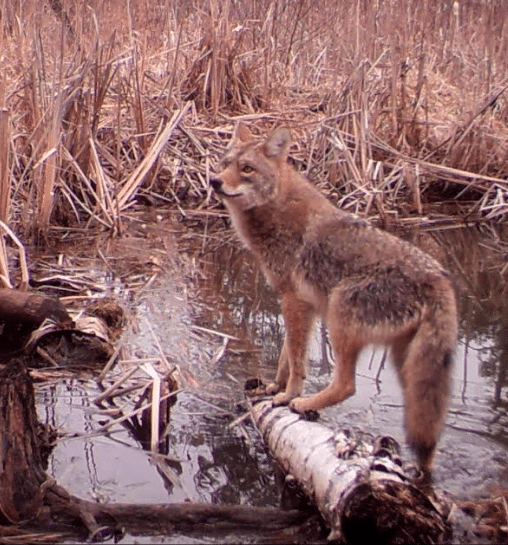
Highly adaptive and lacking natural predators, coyotes have expanded their range rapidly. Their growing numbers have led to predation on livestock and pets, competition with native wildlife, and increased sightings—even in suburban neighborhoods. In some areas, bold coyote behavior has become a real concern. Hunting is one of the few proven tools for keeping coyote populations in check and reducing negative human-wildlife interactions.
Concerns about wolf-coyote hybrids are often cited by those opposing coyote hunting. However, decades of credible genetic research confirm that New York’s coyotes are genetically distinct from wolves and are legally classified as such. There is no evidence that regulated hunting poses a threat to any wild wolf population in the state.
The recent statewide ban on organized coyote hunting contests was an unnecessary and misguided move. These events followed all DEC rules and took place during the legal hunting season. Far from being reckless, they promoted predator awareness, ethical hunting and contributed to rural economies. The ban sends the wrong message, disregards science, and weakens trust between the state and the hunting community.
Ecologically, unchecked coyote populations can harm biodiversity. Ground-nesting birds, fawns and small mammals are especially vulnerable. Regulated hunting helps protect these species and supports broader conservation goals.
Coyote hunting also provides important economic and recreational benefits. Hunters support local economies through gear purchases, travel and lodging, while also serving as valuable partners in wildlife monitoring and habitat conservation.
New York has long relied on regulated hunting to maintain ecological balance—a practice rooted in both scientific research and tradition. That legacy must continue.
Wildlife management should be guided by evidence, not emotion. To protect biodiversity, ensure public safety, and respect the vital role of hunters, New York must reaffirm its commitment to regulated coyote hunting and reconsider policies—like the contest ban—that are politically convenient but ecologically flawed.
Bruce McGowan is executive director of the New York State Conservation Council.
Sign up for our free newsletters