
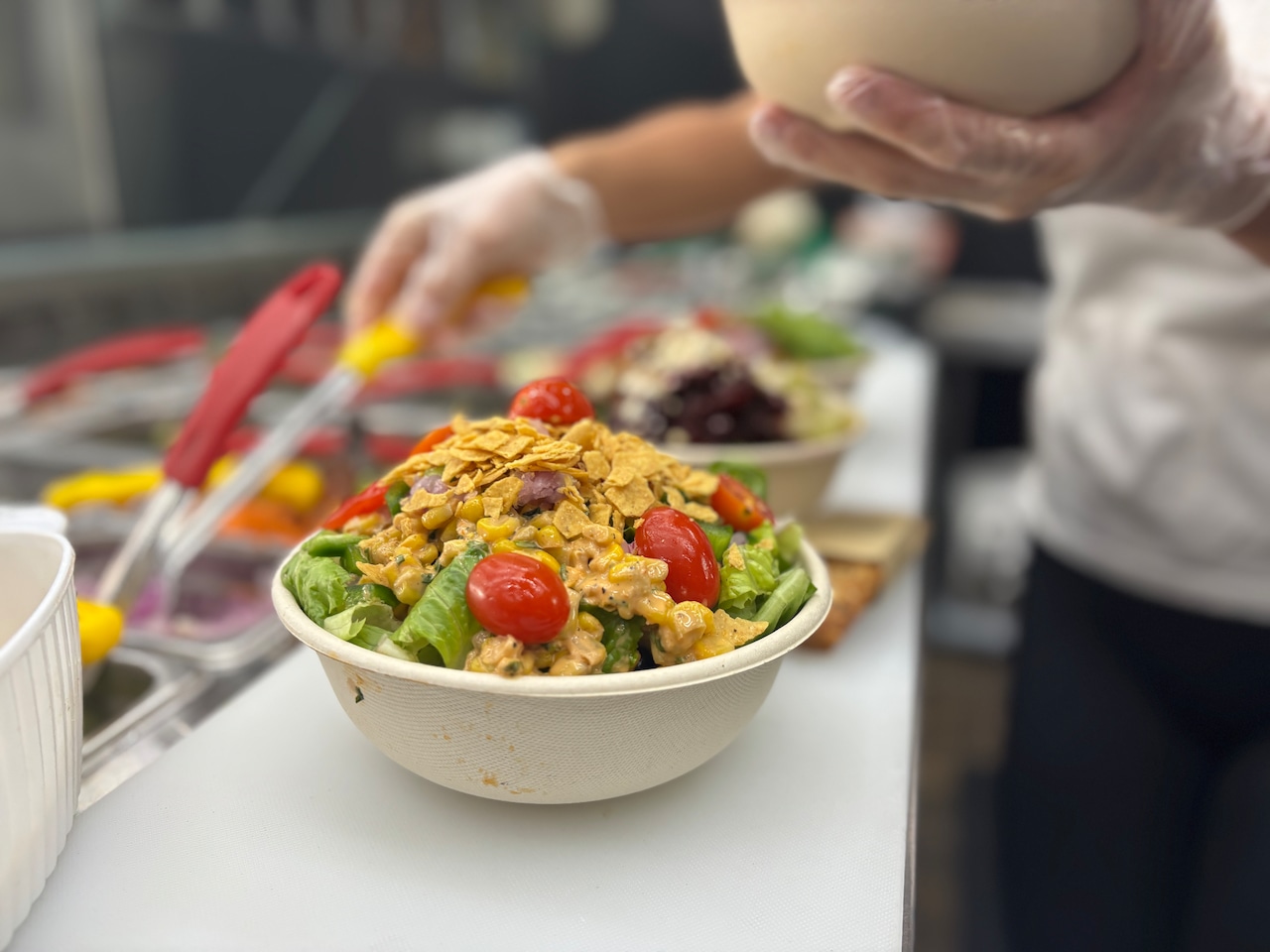
STATEN ISLAND, N.Y. — Staten Island’s food landscape is shifting toward purposeful eating, with juice bars, smoothie shops and health‑focused meal services gaining ground as national fast‑food chains contract.
From açaí bowl franchises expanding across multiple states to medically tailored meal companies hiring dozens of local workers, the borough has become a proving ground for food businesses built around nutrition, recovery and wellness. The trend spans price points and neighborhoods, from high‑protein bowls and grab‑and‑go smoothies in Charleston to insurance‑covered meals delivered from a Mariners Harbor warehouse.
The shift represents more than a passing fad. Establishments such as borough‑born Better Health Gourmet, which opened in Travis in August 2004 and has since expanded into New Jersey; Eltingville‑based Bowl Me Up; and Long Island‑based Sobol have helped move health‑forward dining from novelty to infrastructure on Staten Island. At the same time, longtime businesses — from the unassuming Tastebuds in Dongan Hills to the sleeker Better Health Gourmet locations in Travis, New Dorp, Huguenot and West Brighton — laid the groundwork decades before wellness became a restaurant marketing term.
Baya Bar founder Billy Loesch recently marked his company’s fifth annual Baya Bash, offering discounted smoothies and bowls across all 42 locations nationwide. The New Dorp resident launched his first store in Bay Ridge in 2016 after leaving Wall Street, noticing customers regularly crossing the bridge from Staten Island for açaí bowls.
“I really have to attribute the success to the loyalty of the consumers in Brooklyn and Staten Island,” Loesch said. “The old‑school, hard‑working mentality from Bay Ridge and Staten Island shaped the way I approach business.”
The brand now operates in seven states, with more than 35 additional locations under contract. Loesch credits the company’s growth to maintaining a narrow focus on bowls, smoothies and juices, while resisting menu expansion into salads, wraps or sandwiches.
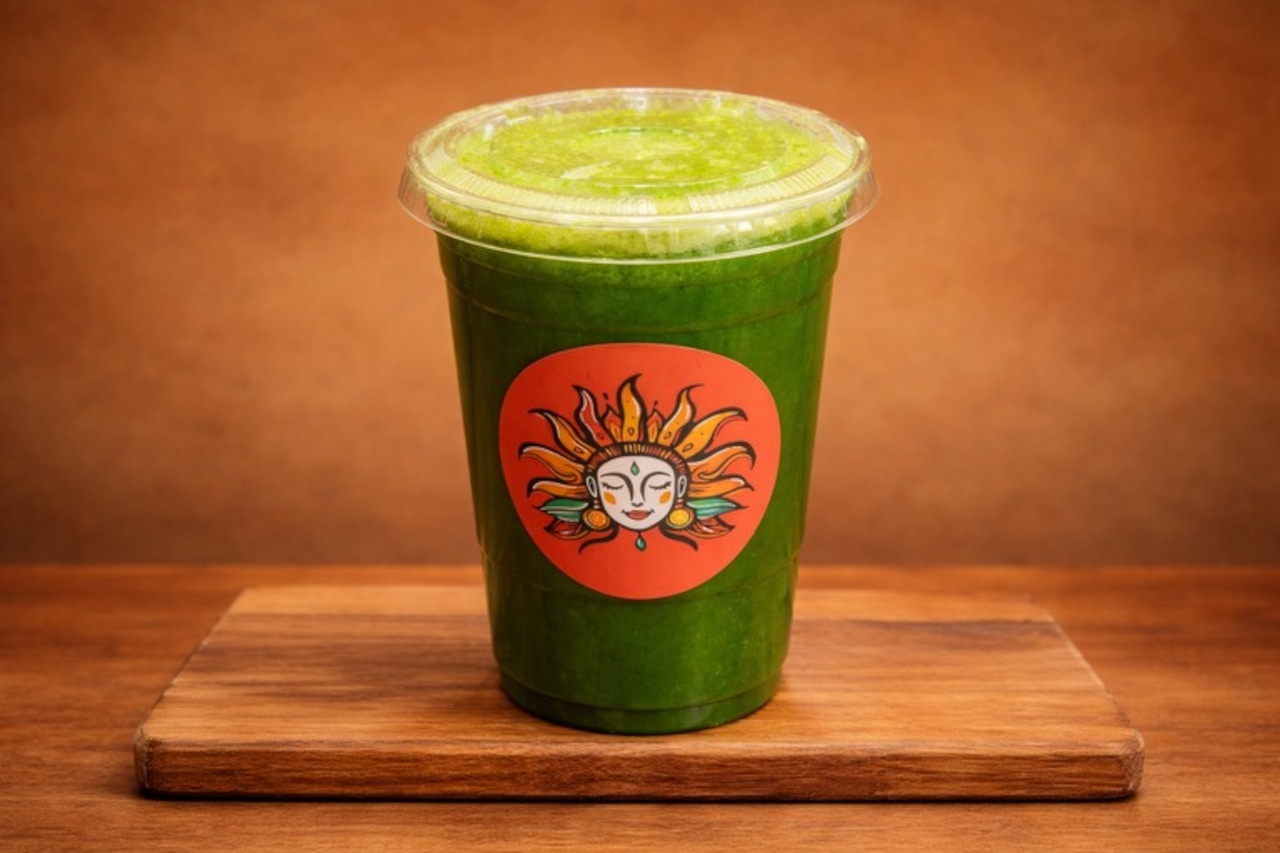 Running a health‑food spot on Staten Island takes equal parts perseverance and passion, something owners Joanne Schulter and Eloy Balderas know firsthand as they juggle multiple jobs to keep up the verve—and the wheatgrass—in their juice and salad shop.(Courtesy of Joanne Schulter)Wellness ripens from shore to shore
The Juice House opened its first location outside New Jersey in Charleston this spring. Owner Gianna Rebosio, who describes the brand’s philosophy as science‑based and nutrition‑driven, said Staten Island felt like the right fit both personally and professionally.
“My good friends are from here, so it’s awesome. Everything is 25 minutes away — it just made sense,” Rebosio said.
The company, which began in Garwood, New Jersey, offers smoothies, cold‑pressed juices, bowls and wellness shots designed to help customers increase their daily fruit and vegetable intake.
“How we make our products is a science to us,” Rebosio said. “We follow specific flavor profiles — almost like mixology — to make sure the undertones are subtle, the ratios are right, and the nutrition is well‑balanced.”
In Rosebank, Viva Salad and Juice Bar opened last summer after owners Joanne Schulter and Eloy Balderas turned to home juicing following a health scare. After Balderas developed fatty liver disease and high blood sugar, the couple began juicing at home and reported dramatic improvements within three months.
“The doctor couldn’t believe it,” Schulter said. “He said whatever you’re doing, keep doing it — because he wanted to put me on Lipitor.”
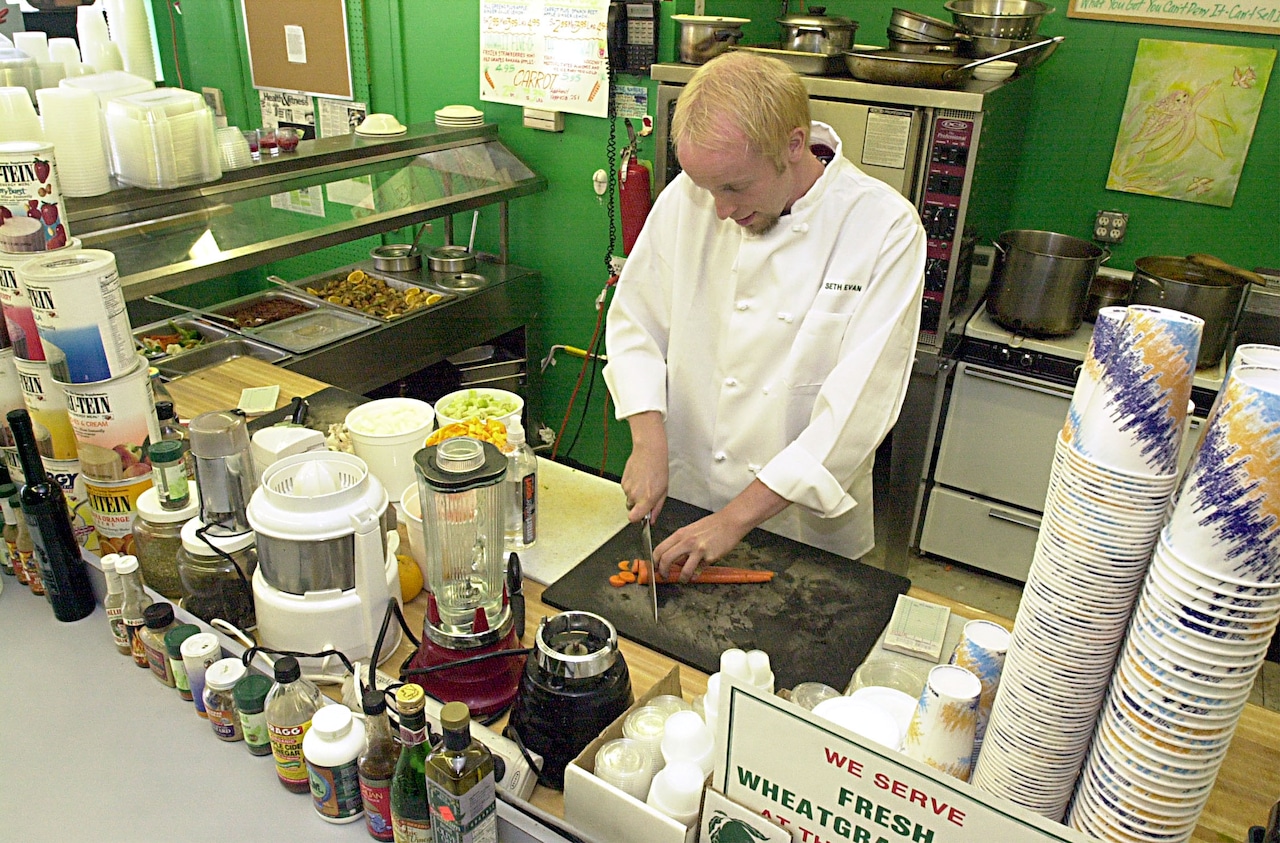
At Viva, wheatgrass grows on the counter, and the couple makes almond and oat milk by hand. Everything is prepared to order. Balderas spends much of his day talking nutrition with customers, helping them select drinks tailored to specific health goals.
The most striking shift may be unfolding in Mariners Harbor, where Epicured operates a warehouse producing medically tailored meals for Medicaid recipients. The company, founded by Michelin‑starred chefs and registered dietitians, designs meals for people managing chronic health conditions.
Staten Island is now Epicured’s highest‑volume production site, with meals reaching residents within days of referral — faster than anywhere else in New York State.
“Whether you’re living on Park Avenue or on Medicaid, the problem is the same — and the quality should be the same,” CEO Richard E. Bennett II said.
The company has hired about 50 Staten Island residents since opening its Richmond Terrace facility in October. Dr. Joe Conte of the Staten Island Performing Provider System said the operation stands out because it was built without subsidies and operates on a fee‑for‑service model.
“People here are being served within five days. That’s not happening anywhere else,” Conte said.
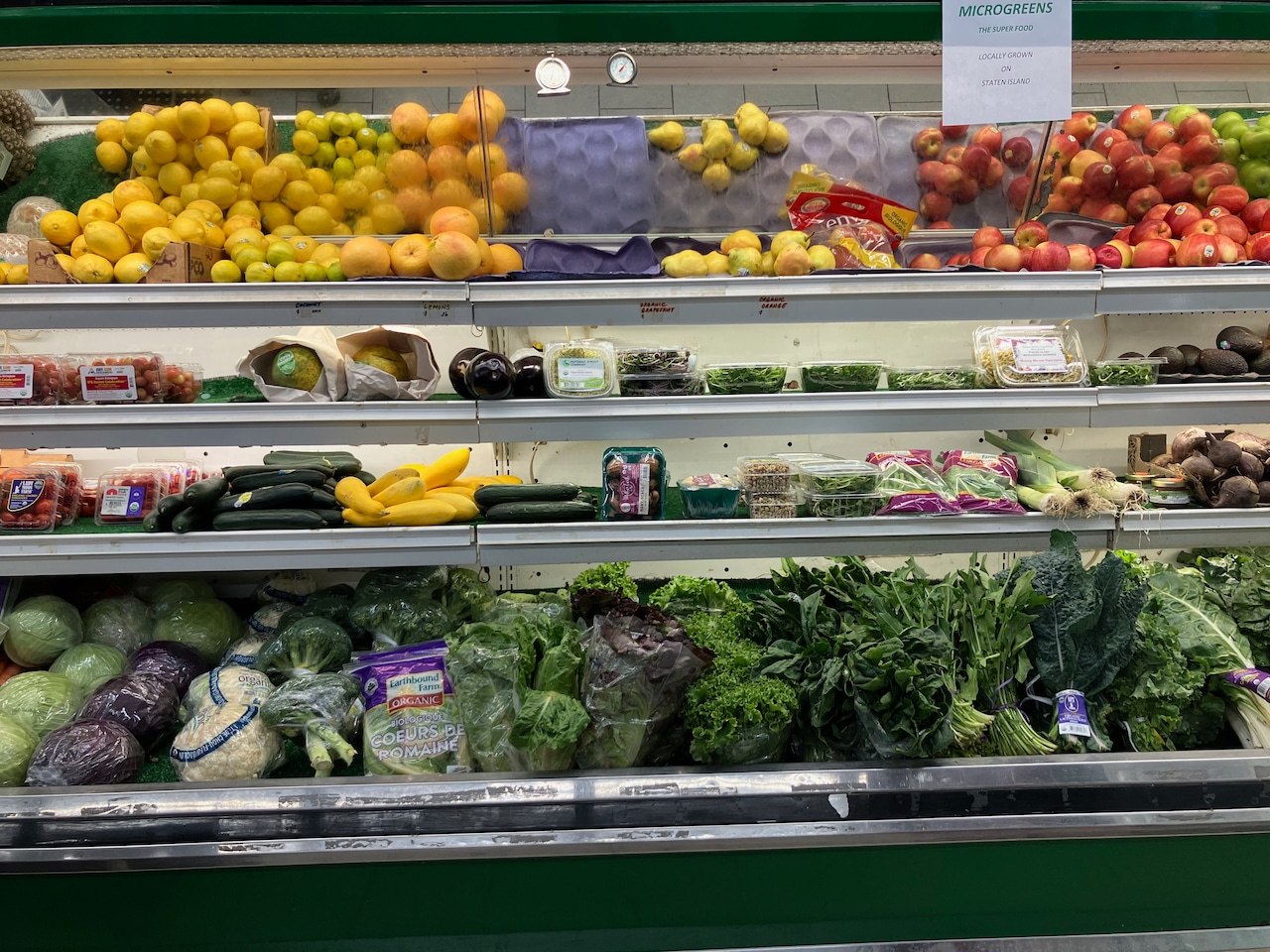 Tastebuds in Dongan Hills, founded more than 40 years ago, predates Staten Island’s Greenmarkets and organic grocers with a lunch buffet and juice counter that helped introduce health‑forward eating to the borough.Açaí becomes infrastructure
Staten Islanders were introduced to açaí long before bowls became part of the local dining vocabulary. In the early 2000s, the Brazilian berry surfaced at early juicing destinations such as Tastebuds in Dongan Hills, a storefront that persists with a juice bar and salad counter that draws lunchtime crowds. It was granola before granola went boutique.
By 2009, açaí was being marketed locally through MonaVie at Ariemma’s Deli in Dongan Hills, where a Sinatra theme and old‑school Italian deli culture still set the tone. At the time, the heavily promoted, antioxidant‑packed juice was sold through a multilevel distribution model and billed as a wellness tonic. At $40 a bottle, it was less a daily staple than a promise, fueled by testimonials and lofty health claims. While critics at the time argued that no drink could replace whole fruits and vegetables, MonaVie nonetheless primed local consumers to see açaí as a “superfood.”
Sobol opened its first Staten Island location in West Brighton in February 2018, followed by a second outpost on New Dorp Lane just over a year later. Franchise partner Avi Shaiovici focused as much on education as sales, often standing behind the counter correcting açaí pronunciation and explaining the berry’s nutritional benefits.
That approach helped normalize açaí bowls on Staten Island before “superfoods” became marketing shorthand. Strategically located along New Dorp Lane’s busy pedestrian corridor, Sobol positioned itself not as a novelty, but as a place that could fold easily into daily routines. The shop’s menu didn’t moralize food — the bowls were gluten‑free, vegan and dairy‑free, but the store also sold waffles topped with nut butter and fruit.
1/10
Here’s a brief look at time as the borough has evolved in its healthy eating. Pamela Silvestri
Performance food comes of age
Between those early adopters and today’s wave sits a middle generation of restaurants that helped normalize health‑forward dining without spectacle. Places like Fuel on Arthur Kill Road built loyal followings by emphasizing protein, recovery and performance, drawing praise from boutique gym owners including Nick Mattera of ELEV8 Fitness in Charleston, who counts Fuel’s ‘Super Protein Breakfast’ among his go‑to reset meals. The now‑departed Muscle Maker outlets reflected a similar approach at a time when eating healthy still carried niche connotations.
When Bowl Me Up opened in Eltingville, husband‑and‑wife owners Naser and Ardiana Kolar were responding to a shift already underway. A South Shore native, Naser designed the concept as “fast food, but healthy fast food,” offering diet‑flexible bowls tailored to keto, Mediterranean and plant‑forward preferences. The menu incorporates thoughtful substitutions, such as fried pita instead of fries and naturally sweetened protein cookies.
Eltingville’s walkability, proximity to transit and established lunch‑and‑dinner economy positioned Bowl Me Up as a habitual stop rather than a destination outing. Catering, delivery and a rewards app further reinforced that routine.
As health‑forward food expands, some legacy fast‑food models are contracting. A Papa John’s location on Hylan Boulevard in Grant City closed permanently in March as part of a broader national retrenchment. The company plans to close about 300 U.S. restaurants by 2027 amid declining sales and rising costs, according to The Wall Street Journal.
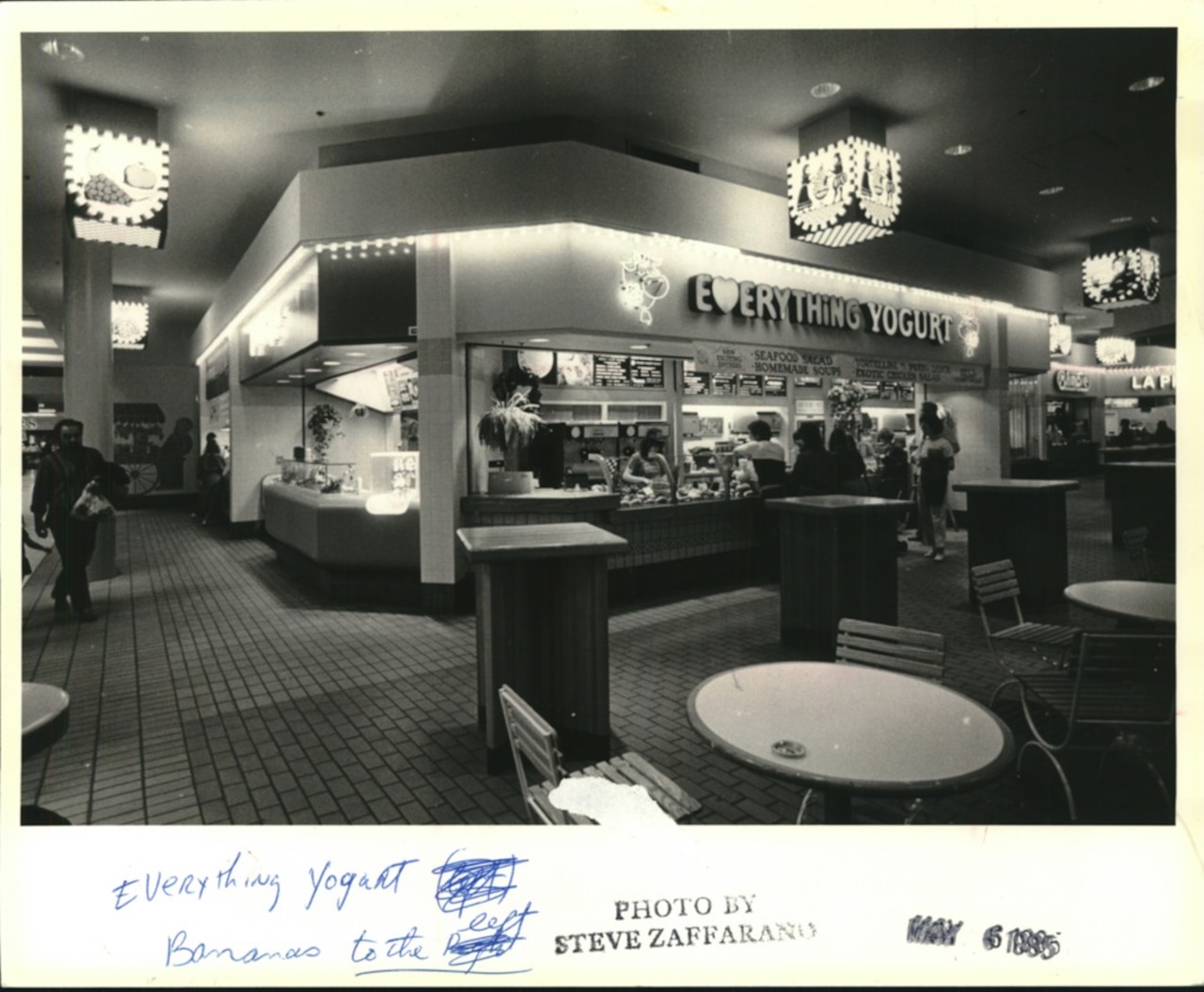
 Fifty years after Everything Yogurt helped bring frozen yogurt to Staten Island, a new A new generation, led by young entrepreneurs like John Galarza, is carrying the idea forward. His frozen‑yogurt shop opened on the South Shore in February to an enthusiastic reception, drawing crowds even in the depths of winter.(Courtesy of John Galarza)Fro‑yo comes full circle
Long before smoothies and açaí bowls became commonplace, Lois and Rich Nicotra, known for their Staten Island hotel and restaurant developments, were navigating the same balance at Everything Yogurt, which they founded 50 years ago.
“When we opened, all we had were carrot chips, fresh fruit and granola,” said Richard Nicotra. “I used to say I’d die before I put gummy bears on frozen yogurt. But the customer tells you what they want — and if you want to stay in business, you listen.”
Half a century later, that lesson is resurfacing.
John Galarza, a 19‑year‑old Staten Island native and Monmouth University student, recently opened a frozen yogurt, gelato and coffee shop at South Shore Commons, financing the venture entirely with money he saved from working odd jobs since age 13. A graduate of PS 6, IS 34 and St. Peter’s Boys High School, Galarza opened Froyolicious at 2955 Veterans Rd. W., Suite 1D just days before a February blizzard, drawing steady evening crowds despite the weather.
His family said Galarza funded the business without outside investment, saving earnings from power washing, installing Christmas lights and washing cars, and earning his real estate license before committing his savings to the project.
The brightly lit storefront offers rotating frozen‑yogurt flavors — including low‑fat, nonfat and nondairy options — alongside a small selection of handmade gelato and espresso drinks, giving customers wide latitude to mix flavors and toppings.
That balance, Nicotra said, has always been the key.
“People want to feel good about what they’re choosing,” he said. “They’ll say, ‘I’m having the yogurt, so I can splurge a little.’ That hasn’t changed.”