
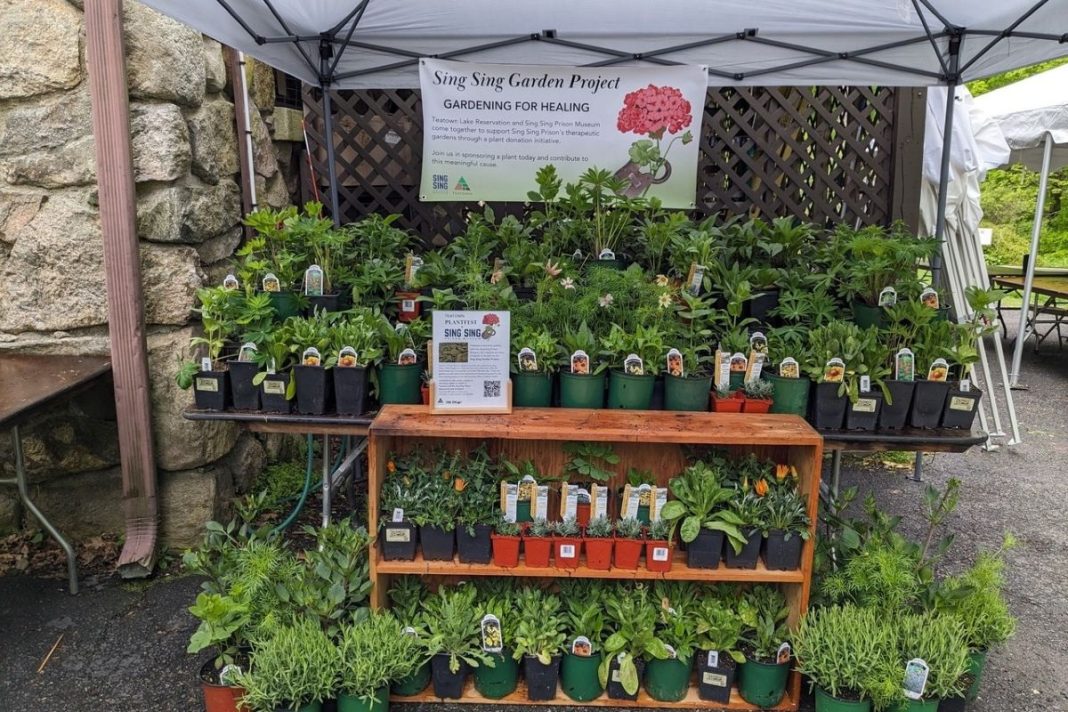
Three state prisons in New York will receive hundreds of plants. This initiative is not a form of interior design, but an ecological project: gardening as a rehabilitation tool. Plants for Prisons is a program that connects Teatown Lake Reservation with Sing Sing Prison Museum and will deliver plants to incarcerated individuals so they can plant, care for, and cultivate them.
A fundraising campaign will make the plan viable and sustainable. The activity will run until April 25 through the digital platforms of the organizations, which have invited the community to participate. The collection is being carried out through the Sing Sing Prison Museum website.
 Plants for Prisons channels community donations through April 25 to support horticultural programs in correctional facilities. (Sing Sing Prison Museum)
Funds raised will support the program: they will allow the purchase of plants and cover logistical entry requirements, as the amount collected will support all horticultural programs at Sing Sing Correctional Facility, Bedford Hills Correctional Facility, and Taconic Correctional Facility. “This project highlights that even in places defined by walls and confinement, gardens can create spaces for nourishment, community, and healing,” said Amy Hufnagel, Assistant Director of the Sing Sing Prison Museum.
At Sing Sing, for example, the program focuses on incarcerated individuals who have demonstrated commitment to their personal development. They maintain a garden that not only provides fresh food, but also introduces a different routine within the correctional environment. Planting, watering, waiting. Simple actions that shift the structure within a system designed for control.
At Bedford Hills and Taconic, both women’s facilities, the impact expands. There, the gardens also function as educational spaces. They include programs linked to incarcerated mothers that allow participants to learn how to prepare nutritious food for their children using what they cultivate.
The benefits of gardening in correctional settings have been documented for years. They reduce stress, improve emotional regulation, develop practical skills, and strengthen a sense of purpose. In confinement environments, these variables carry additional weight. For Teatown Executive Director Kevin Carter, the initiative is significant. “When people are given the opportunity to care for living things, it can open the door to reflection, responsibility, and hope,” said.
On the other hand, logistics are handled by Hudson Link for Higher Education in Prison, which is responsible for delivering plants and materials inside the facilities. In the correctional system, with its strict restrictions, each transfer requires planning, permits, and oversight. Funding is the other side of the equation. The community contributes to the sustainability of the project through donations and fundraising campaigns. The program also receives support from Department of Corrections staff and volunteers.