
NYC DOT Restarts Public Engagement, Proposes Expansion for Safety Redesign of 31st Street in
Astoria, Queens
Parking-protected bike lanes painted pedestrian islands, additional loading zones and hardened
daylighting will enhance safety and visibility along 31st Street.
Proposed protected bike lanes will stretch for 2.5 miles from Northern Boulevard to 20th Avenue,
adding a critical North/South connection to the local bike network.
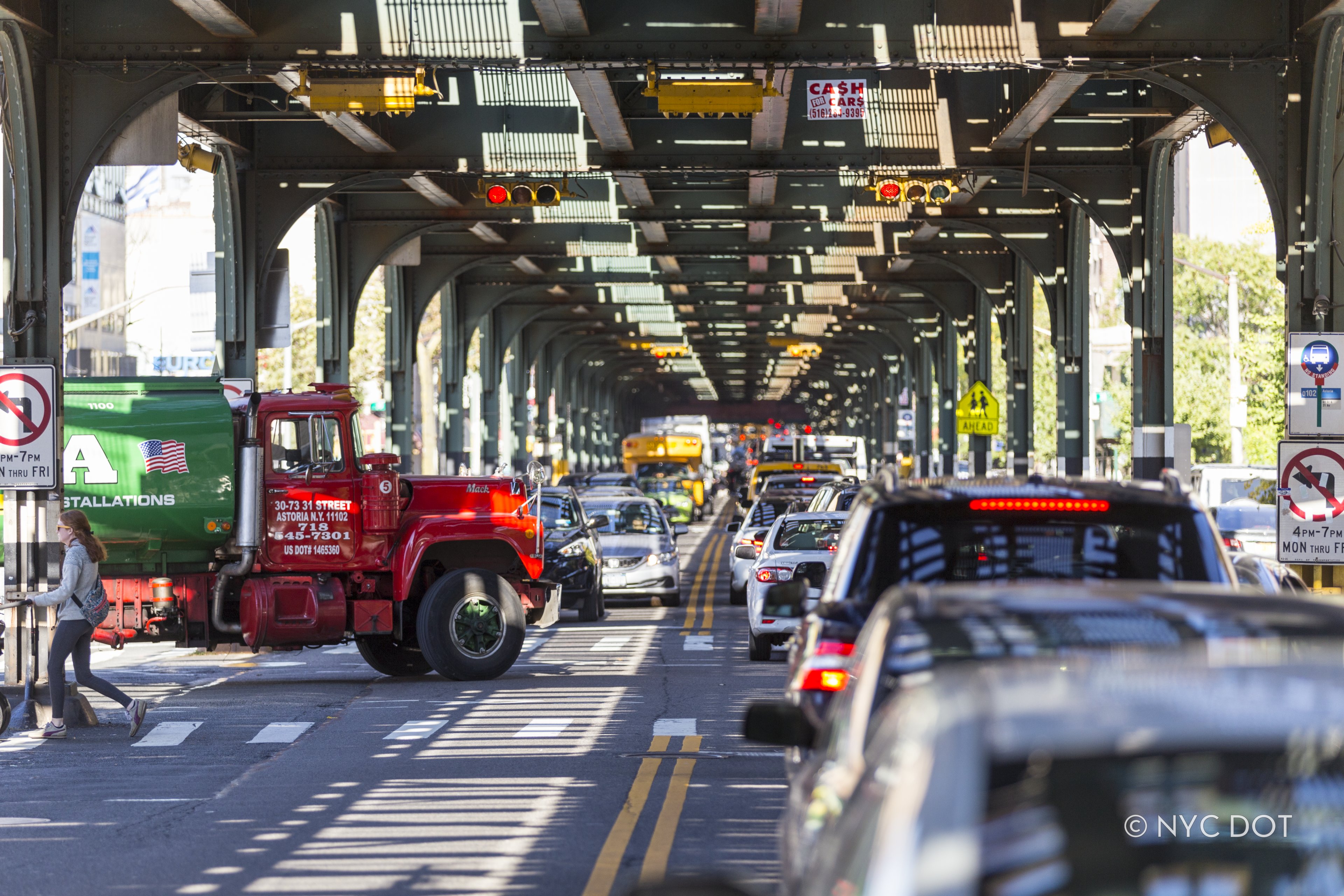
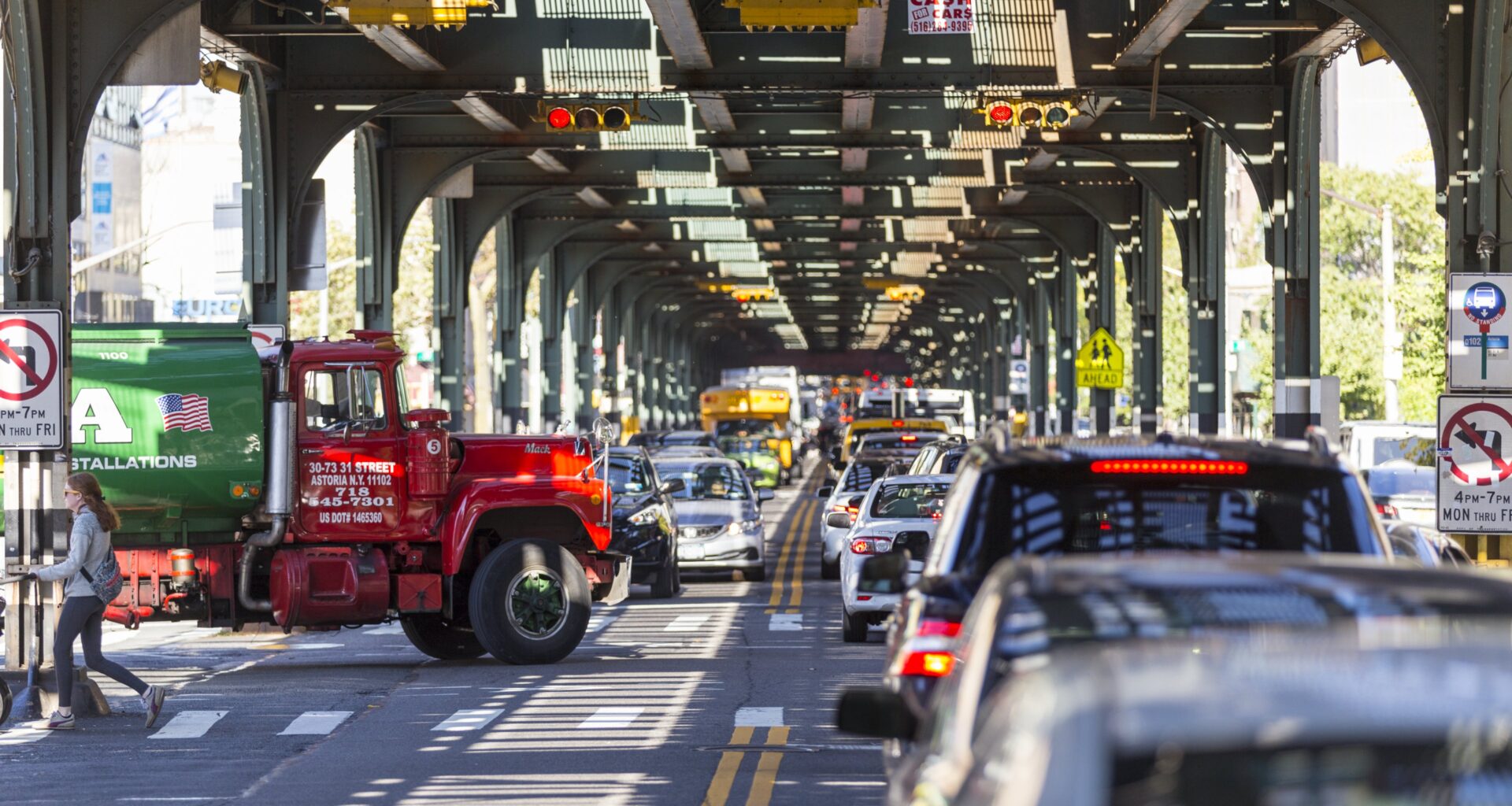
Elevated tracks over 31st Street currently limit visibility and create ambiguous space between
support
columns.
NEW YORK – New York City Department of Transportation (NYC DOT) Commissioner Mike Flynn today
announced the agency will restart public engagement to redesign 31st Street in Astoria with
an expanded proposal to enhance safety and connectivity from Northern Boulevard to 20th
Avenue. The comprehensive redesign of 31st Street includes curbside protected bike
lanes, painted pedestrian islands to shorten pedestrian crossings, hardened
daylighting, and reorganized travel lanes that will enhance safety by improving roadway
organization and predictability.
“For too long, New Yorkers have held their breath or said a prayer when crossing underneath
the tracks at 31st Street with families and loved ones. When a street strikes fear into the
hearts of New Yorkers, it is clear something needs to change,” said NYC DOT Commissioner
Mike Flynn. “A redesigned 31st Street will bring better organized traffic patterns, shorter and
safer crossings, new bike connections, and more pedestrian space to the heart of Astoria so you
can stay safe and stay moving.”
The proposed redesign includes updates to curb regulations on every block to accommodate various
types of curb access. Truck loading zones will allow businesses to load and receive deliveries from
7 am – 7 pm. Expanded two-hour metered parking will increase turnover for short parking periods and
increase customer access. Separate neighborhood loading zones will allow space for package deliveries and personal
vehicle loading/unloading. Designated taxis and for-hire vehicle loading zones will enable quick pick-up
and drop-off for passengers.
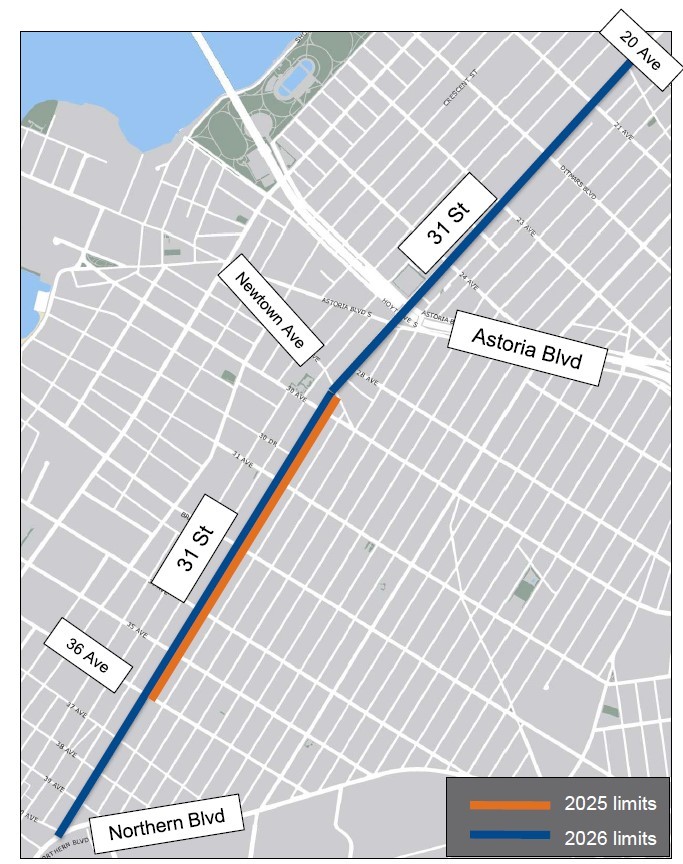
The 2025 project scope pictured above in orange, shown next to the expanded 2026 project scope
pictured
in blue.
As one of Astoria’s main commercial corridors with the MTA’s N and W lines traveling overhead,
31st Street sees a high number of pedestrians, who will benefit from new islands to shorten
crossing distances at intersections. New protected bike lanes on the street will provide a
critical North/South connection for cyclists traveling between 20th Avenue and Northern Boulevard, the
Queensboro Bridge, and the RFK Bridge. Protected bike lane designs have shown to reduce deaths
and severe injuries by 18.1% for all road users and 29.2% for pedestrians.
NYC DOT has engaged with 150 businesses within the project limits
and 84% of those businesses shared feedback that has been incorporated into the
updated project. This project utilizes common design elements found on streets across
the City that comply with local law and ADA regulations.
From Ditmars Boulevard to 20th Avenue, a proposed northbound
one-way conversion will remove turning conflicts at three intersections for cyclists and
pedestrians while preserving angled parking spaces and reducing truck traffic.
“I’m excited to see NYC DOT restart the public engagement process as we move to redesign 31st Street in
Astoria. From shorter pedestrian crossings to new protected bike lanes to revamped vehicular lanes and more, this
proposal is a vital one and I look forward to shaping it alongside all our government and community partners in the
months to come,” said Queens Borough President Donovan Richards Jr. “We’re working
to ensure our streets are safe for all who use them; however they use them — this new redesign will do
just that.”
“Safe, accessible streets are essential to the health and vitality of our communities,
and I’m encouraged to see NYC DOT reengaging residents on a comprehensive redesign of 31st Street in
Astoria. This proposal reflects a thoughtful approach that prioritizes pedestrian safety, supports small businesses
through improved curb access, and creates much-needed protected infrastructure for cyclists,”
said Assemblymember Jessica González-Rojas. “I look forward to a robust community
engagement process that centers the voices of Astoria residents and ensures this corridor works for everyone—whether
you’re walking, biking, driving, or running a local business.”
“31st Street is one of the most dangerous corridors in Queens, with three deaths and over 500 injuries in the
last five years alone. We must follow the data and take aggressive action to prevent traffic violence and save
lives. That’s why I am thrilled to support the Department of Transportation’s expanded 31st Street
redesign, stretching across the entire length of my district,” said Assemblymember Diana
Moreno. “With protected bike lanes, shortened pedestrian crossings, and 100% daylighting, this
redesign will make Astoria and Long Island City safer for everyone—whether you’re riding a bike, inside a
car, or crossing the street with your family. I applaud Mayor Mamdani and all the Astoria elected officials and
street safety advocates who made this redesign possible. As a frequent cyclist and a mom, I look forward to biking
and pushing my stroller down the new, safer 31st Street for many years to come.”
“31st Street is one of the most dangerous corridors for bikers and pedestrians in the city — 26 people were
killed or severely injured there, with 502 more sustaining injuries in crashes between 2021 and 2025,”
said Councilmember Tiffany Cabán. “It’s time to reimagine this street with
protected bike lanes and pedestrian safety measures to keep our neighborhood safe. If it saves
lives, it’s worth doing.”
“Astoria residents deserve a safer 31st Street, and we’ve been fighting for one — community members and safe
streets activists held a die-in last winter to highlight the longstanding safety issues on this corridor,”
said Ben Furnas, Executive Director of Transportation Alternatives. “We’re
excited for DOT’s redesign, which will both make the street safer and increase the connectivity of Queens’ bike
network!”
“Restarting public engagement around a safer 31st Street is an important step forward,”
said Ken Podziba, CEO of Bike New York. “This corridor is a critical north-south
connection for cyclists, and we hear from riders all the time about how challenging it can
be. We’re encouraged to see NYC DOT advancing a proposal that can make the street safer and more
accessible for everyone as the community helps shape the design.”
“This redesign will bring 31st Street into the 21st century. The plan, comprised of protected bike
lanes, safer pedestrian crossings, and a better-organized curb, optimizes our public space for the people who live,
work, and spend time in Astoria, instead of prioritizing private car travel,” said Sara Lind,
Co-Executive Director of Open Plans. “Creating designated loading zones for trucks, private
vehicles, as well as space for delivery drivers and taxi drivers will go a long way towards calming the chaos at the
curb and making the best use of this shared space. Equally important is the DOT’s commitment to public engagement
and creating community buy-in for this project. We are heartened to see the headway made by the new
administration and the DOT over the last 100 days, and this project continues that momentum.”
###