
A comprehensive look at local, statewide and national news events is provided by the NewsChannel 13 Team, along with updates on sports and the weather forecast.
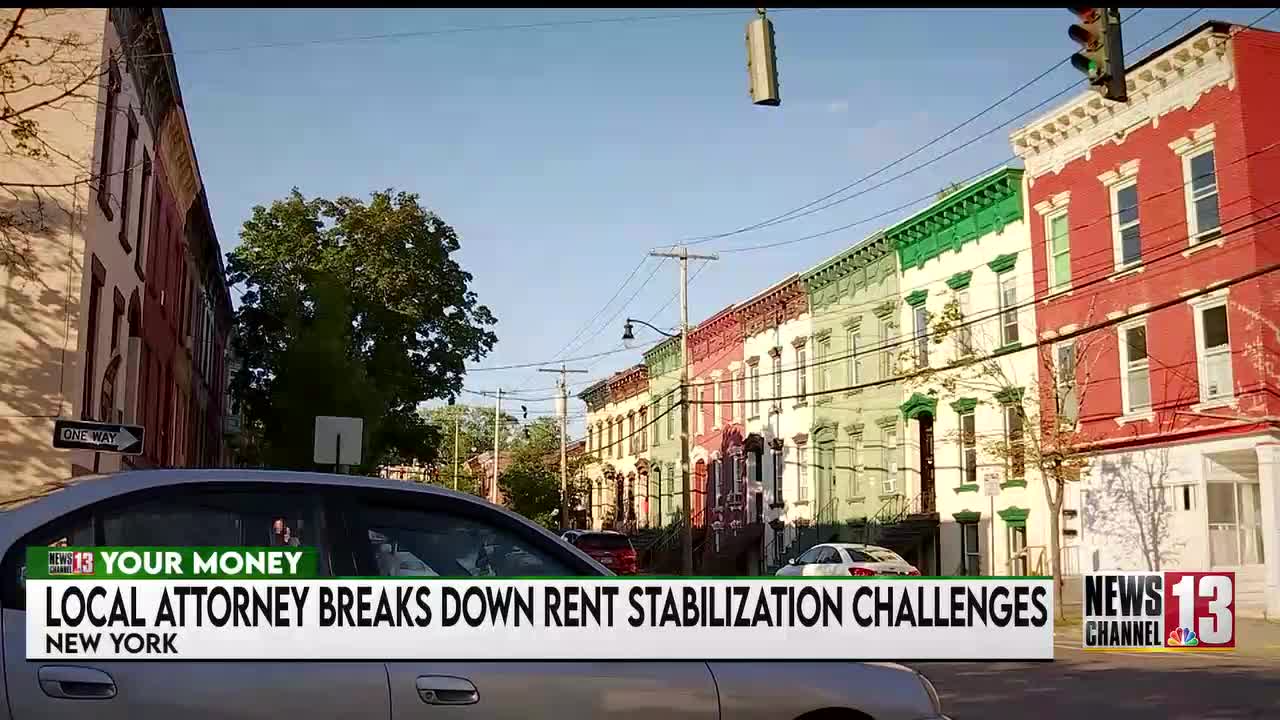
ALBANY, N.Y. (WNYT) – Rent stabilization continues to be one of New York’s most debated housing issues, impacting more than a million apartments across the state. Attorney Ryan McCall of McCall Sweeney & Silva in Albany sat down with News Channel 13 to break down how the policy affects both tenants and landlords, and what the future might hold for the housing market in 2025.
“Rent control, commonly, rent stabilization in New York City is something that affects over a million apartments,” McCall explained. “In rent control, the rent control board, especially in New York City, Westchester area, they can set how much you can increase rent based on different market rates, how much the fuel and gas costs have gone up, how much the taxes have gone up they can solely dictate what that increase can be for any given year.”
McCall noted that upstate regions, like the Capital District, face different challenges as demand continues to rise. “Recently, we’ve seen such an influx to the capital district that it has begun to affect the housing supply,” he said. “Landlords, especially in upstate New York, often feel like, hey, these laws are being passed. We’re the ones that are being affected, and we’re going to be the ones who need to kind of always shrink our margins, which again, could lead to fewer repairs that are happening. But also from the tenants’ perspective, they need to make sure that, hey, we can still afford to live, and we can still have a place to live in the capital district.”
When advising landlords, McCall said preparation is key. “You want to make sure you have three months of expenses, because you never know. It could be an older building. The roof could cave in. There could be a hot water heater that needs to be replaced.”
He also emphasized communication and awareness for tenants. “Typically in New York State, you can charge up to two months, meaning you can charge the first month’s rent and the security deposit, and they can be the same amount. The whole first, last, security – that’s no longer really allowed for the most part in New York State.” McCall added that if tenants are charged more, “definitely bring that to the landlord’s attention… it may not necessarily be malicious. It’s just something that a landlord could have been renting the same apartment for 20 years and may not be caught up with the times.”
For those looking to invest in property, McCall encouraged a cautious approach. “I still think the safe bet is the two to four unit. If you’re entering the market for the first time, you know you want to be a landlord, don’t necessarily take that big swing to start. Maybe get yourself a nice two-unit where you could live in one side and rent out the other while continuing to build equity.”
He also highlighted the importance of finding reliable help. “The best contractors that I’ve worked with personally come from recommendations of friends or part of a real estate networking group.”
And for renters, McCall’s advice was practical but straightforward: “Shop around… make sure you look at the apartment if you can. A lot of times, there’s just a miscommunication between the pictures that can be posted versus what you actually get.”
Despite ongoing challenges, McCall said he sees signs of improvement ahead. “I am hoping to see an increase in the housing supply in New York State based on a lot of the new developments that are beginning to pop up,” he said. “I’m hoping you’re going to be able to see people in that middle class bracket begin to find that housing that they’ve really been searching for… I do see reason for optimism.”
For Related Stories: Rent Stabilization New York Attorney Ryan McCall