
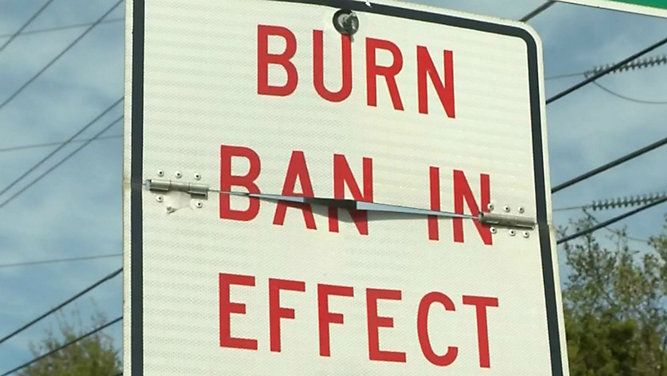
BUFFALO, N.Y. — As of mid-April, New York remains under a burn ban. Despite the rainy weather, the danger is still there. But can you still have a bonfire or small cooking fires?
It can be a bit confusing, but those activities are still allowed. According to the state Department of Environmental Conservation, you’re good as long as that bonfire is less than three feet high and four feet in length.
What You Need To Know
New York remains under its annual burn ban for this time of the year
The DEC says a bonfire is less than three feet high and four feet in length is allowed
The DEC says the minimal fine for the first offense is $500
What fire officials and the DEC do not want to see is you burning your brush piles. Large cooking fires and campfires aren’t allowed, either. The DEC enacted the burn ban in 2009. Since then, it says 10 homes have been destroyed and 219 have been threatened. One person has died and 44 have been injured.
Those are small numbers compared to what has been seen out west, but fire officials are warning that it is everyone’s responsibility to keep those numbers from going up.
“A lot of the dry debris that you see is left over from the previous fall,” said David Morales, public information officer for the Getzville Fire Company. “The winter snow acts as an insulation blanket and prevents the leaves from breaking down. So once the snow goes away, we’re left with all those leaves. Put sunshine on them, and they dry out, and they’re nice and crispy. They’re everywhere to be found. With the wind blowing, there’s not enough greenery around to hold those things down, to be a kind of a fire break naturally. So, there’s a high risk for wildfires.”
There are designated “fire towns” in and around the Adirondack and Catskill parks. This is where open burning is not allowed year-round unless you get a permit from the DEC.
The DEC says the minimal fine for the first offense is $500. If you are a repeat offender, you could find yourself behind bars.
The DEC’s danger rating area has most of upstate in low to moderate risk, with parts of the Capital Region and Hudson Valley considered high risk.