
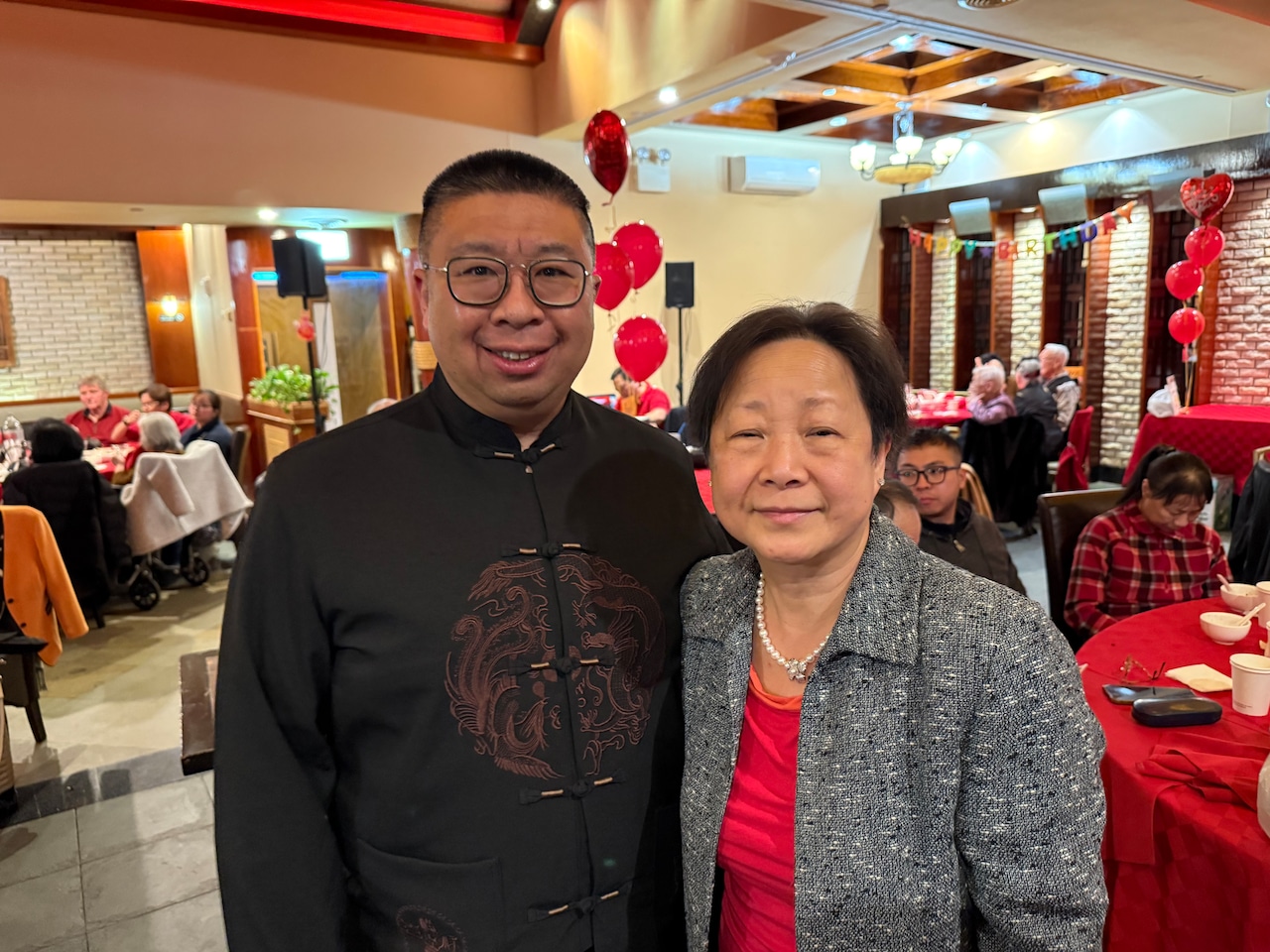
 Gary Tai, left, is the President of the Chinese Society of Staten Island, and Julie Tam is principal of Staten Island Chinese School (Advance/SILive.com | Dr. Gracelyn Santos)(Advance/SILive.com | Dr. Gracelyn Santos)
STATEN ISLAND, N.Y. — When Gary Tai arrived on Staten Island as a teenager in the 1990s, he remembers being one of just two Chinese students in his English as a second language class at Tottenville High School.
Today, he sees Mandarin spoken in grocery store aisles, Chinese restaurants opening along Forest Avenue and cultural festivals drawing families from across the borough.
“I remember how small the community was when I first got here,” Tai said. “Now you can really see it growing everywhere.”
That growth reflects a dramatic demographic shift underway on Staten Island.
According to the U.S. Census Bureau’s American Community Survey five-year estimates, Staten Island was home to 13,018 Chinese residents in 2014, representing about 2.8% of the borough’s population. By 2024, that number had nearly tripled to 38,430, or roughly 7.8% of residents.
Community leaders say the influx is reshaping neighborhoods once defined primarily by Italian and Irish immigrant roots and transforming Staten Island into an emerging destination for Chinese American families seeking more space and affordability than in traditionally established enclaves in Brooklyn and Queens.
Tai, president of the Chinese Society of Staten Island, said recent arrivals come from a wide range of regional and professional backgrounds and speak multiple dialects, including Mandarin, Cantonese, Fujianese and Toishanese.
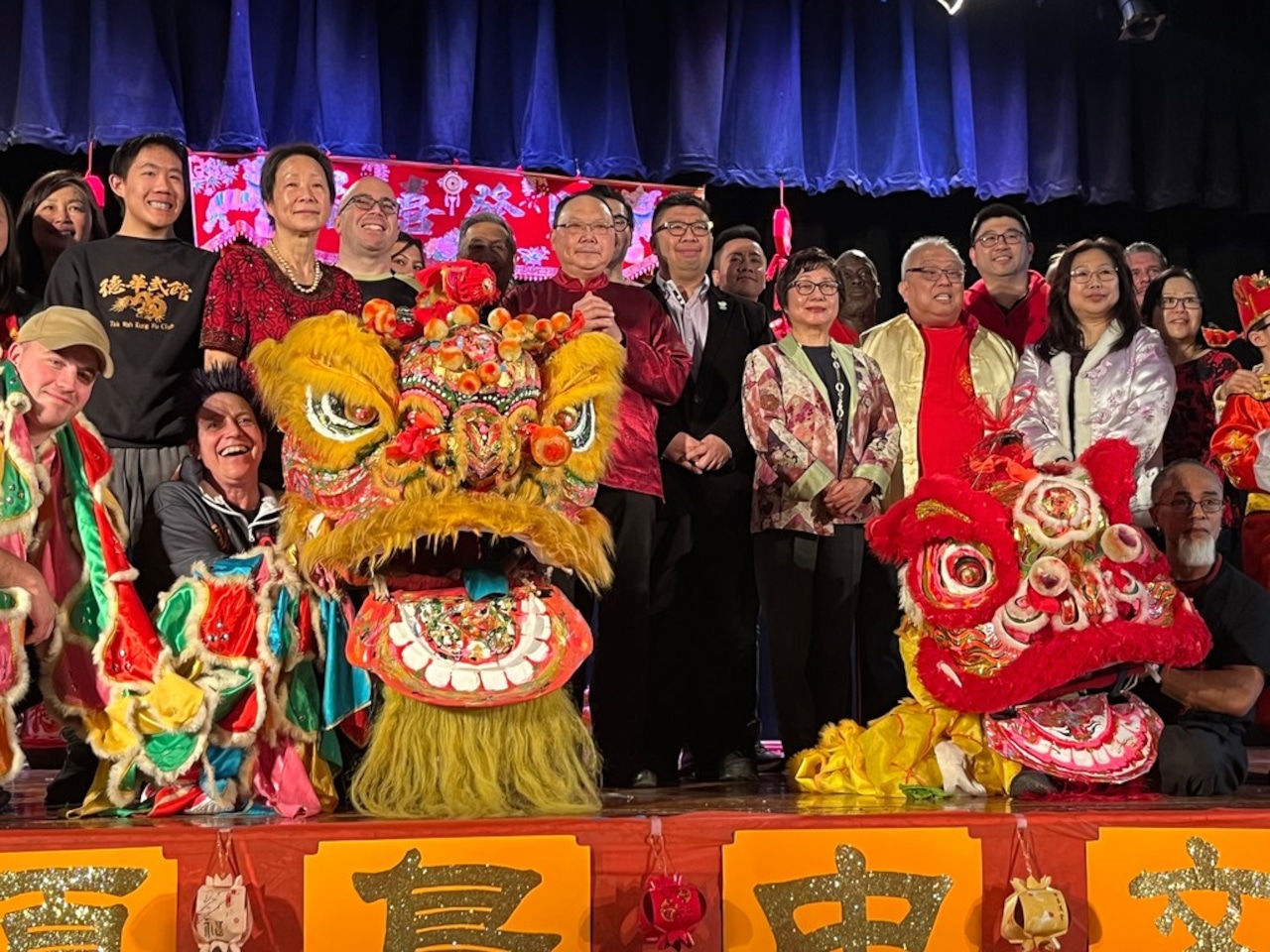 Students of Staten Island Chinese School, plus administrators, board members, volunteers, families, and friends, gathered in at Staten Island Tech HS on Feb. 24, 2024 to celebrate Lunar New Year 2024, the Year of the Dragon. (Staten Island Advance/Dr. Gracelyn Santos)(Staten Island Advance/Dr. Gracelyn Santos)
Over time, he watched the Chinese Society of Staten Island evolve alongside that growth. Originally established in 1969 as the Chinese Club, the group has expanded into a broader organization focused on civic engagement, cultural programming and community support.
The growth is visible in local schools, small businesses and cultural centers across the borough.
“Staten Island is becoming a new hub for Chinese families who are seeking a balance between city opportunities and suburban life,” Tai said. “You can see it in the businesses opening along Forest Avenue, in the schools where more students speak Mandarin and in the cultural events now taking place across the borough.”
Still, he noted that economic challenges remain for some locally owned businesses.
Although the Chinese American population has increased significantly, many Staten Island residents continue to travel to Brooklyn or Edison, New Jersey, for dining, groceries and specialized services. High bridge tolls can also limit customer access from outside the borough, making it difficult for some businesses to sustain long-term operations.
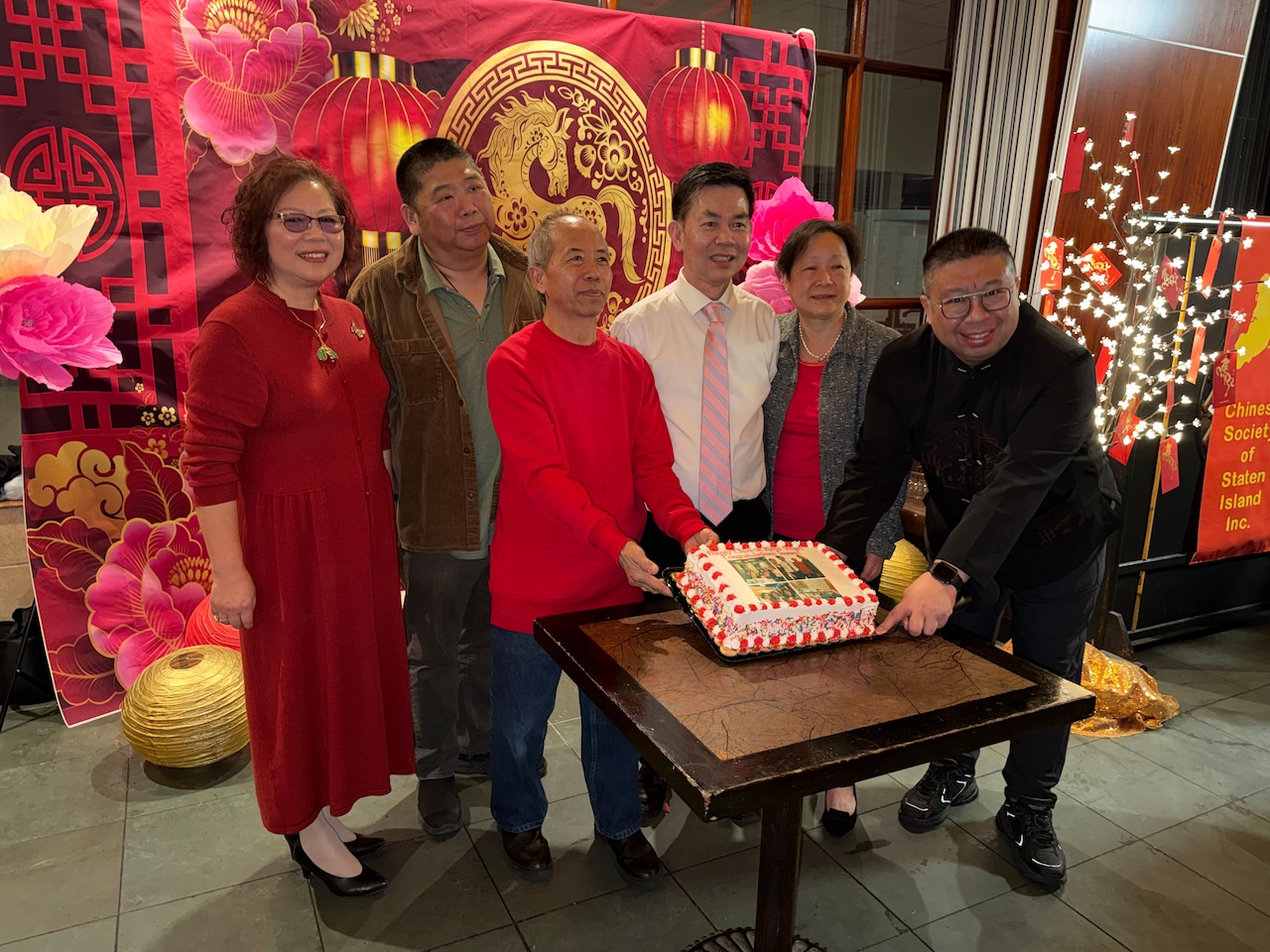 A scene from the Lunar New Year celebration hosted by the Chinese Society of Staten Island at East Pacific Restaurant in the Staten Island Mall on March 15, 2026. (Advance/SILive.com | Dr. Gracelyn Santos)(Advance/SILive.com | Dr. Gracelyn Santos)
“Entrepreneurs here face challenges in sustaining long-term operations,” Tai said. “Some Chinese-owned restaurants and businesses have closed recently due to these hurdles, but I remain optimistic about the future. There is still tremendous potential for growth.”
Winnie Brophy, a Staten Island resident and 15-year board member of the Chinese School on Staten Island, said education has played a key role in strengthening the borough’s Chinese American community.
“The growth of the Chinese community has had a significant impact on local schools,” Brophy said. “Over the years, we’ve seen a real increase in demand for Chinese language classes and cultural programs.”
She said language education helps younger generations maintain ties to their heritage while adapting to life on Staten Island.
“We work hard to ensure our students get the best of both worlds — their culture and the opportunities Staten Island provides,” Brophy said. “It’s all about balance.”
Brophy said interest in Chinese language and culture has expanded beyond the Chinese American community in recent years, reflecting a broader shift toward cross-cultural engagement as the borough diversifies.
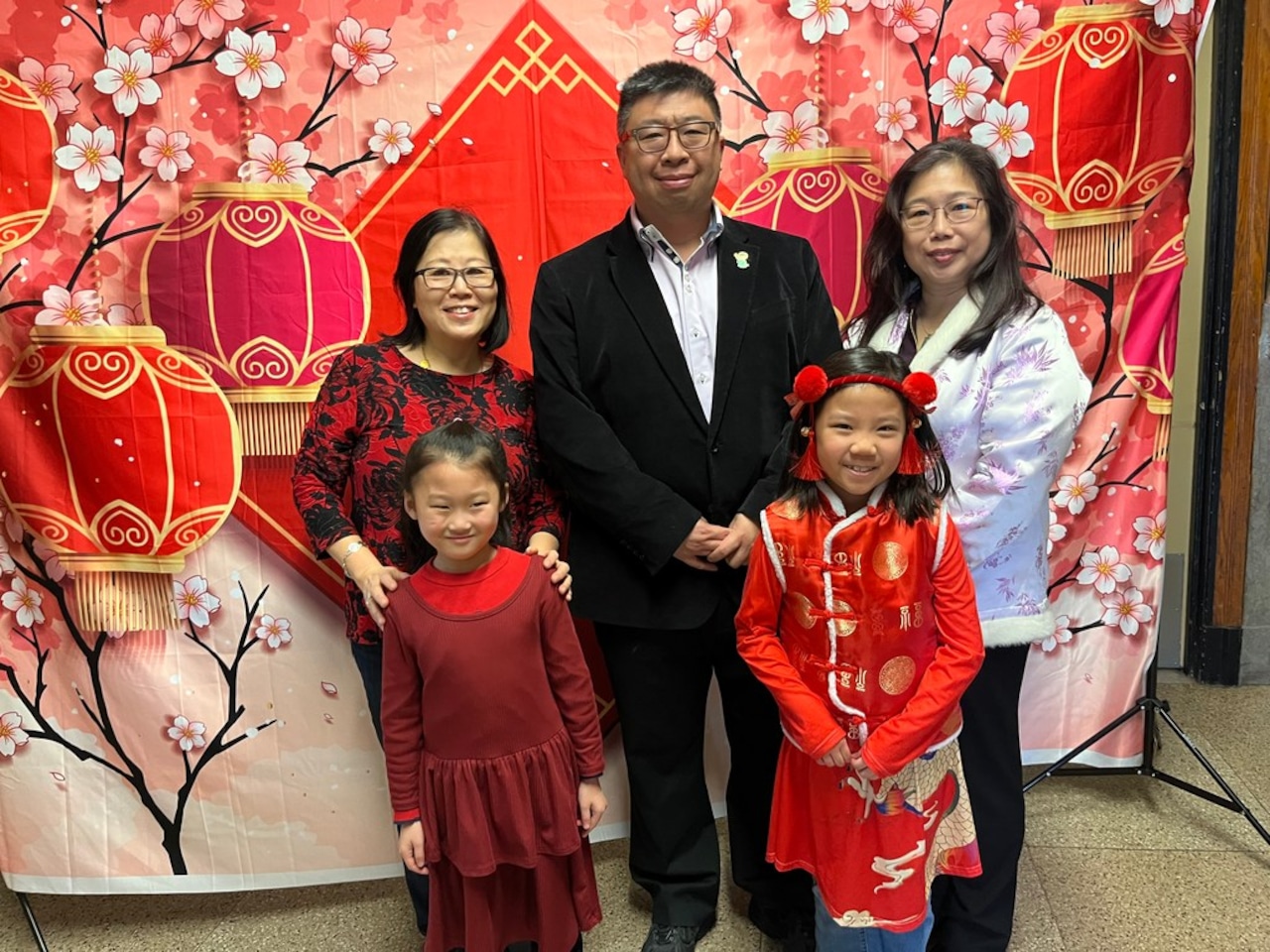 From left to right are: Winnie Brophy, Gary Tai, and Josephina Lee enjoy Lunar New Year 2024, the Year of the Dragon, with two children in festive dress. (Staten Island Advance/Dr. Gracelyn Santos)(Staten Island Advance/Dr. Gracelyn Santos)Staten Island is increasingly attractive
While Brooklyn and Queens remain long-established centers for Chinese immigrants in New York City, Staten Island has become increasingly attractive to families seeking larger homes, quieter neighborhoods and proximity to Manhattan.
“What I love about Staten Island is that it still feels like a neighborhood,” Brophy said. “People here really look out for each other.”
Tai said growing networks of social groups and cultural organizations are helping newcomers integrate into local life while preserving their cultural identity.
“It’s a place that offers space, opportunity and a chance to build something meaningful,” he said. “I’m excited to see what the future holds as more families and individuals choose Staten Island as their home.”
 Scene from the Lunar New Year celebration hosted by the Chinese Society of Staten Island at East Pacific Restaurant in the Staten Island Mall on March 15, 2026. (Advance/SILive.com | Dr. Gracelyn Santos)(Advance/SILive.com | Dr. Gracelyn Santos)Importance of language
Brophy emphasized the importance of language education, which not only helps preserve Chinese culture, but also enables younger generations to bridge gaps between their heritage and their future.
The Chinese School has played a pivotal role in this process, offering language and cultural classes to children of Chinese descent to maintain and deepen their connection to their heritage while also integrating into the broader Staten Island community.
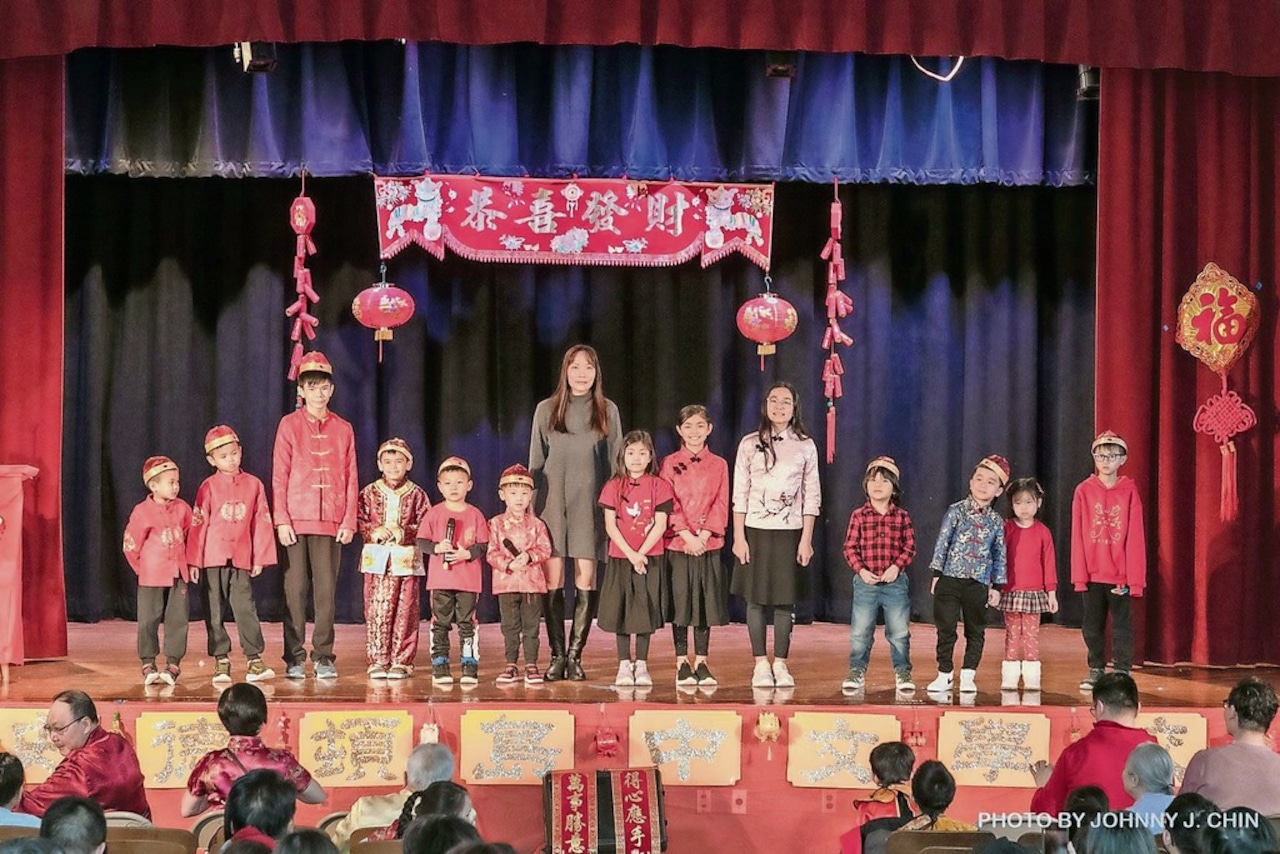 Students from the Staten Island Chinese School, led by a teacher, perform to celebrate Lunar New Year on Feb. 24, 2024. (Advance/SILive.com | Dr. Gracelyn Santos)(Advance/SILive.com | Dr. Gracelyn Santos)
As a long-time board member, Brophy has seen how the school has evolved alongside the community. “When I started, we didn’t have the resources or the staff we have now,” she added. “Now, we’re seeing more community members, including those from outside the Chinese community, who want to learn more about Chinese language and culture.
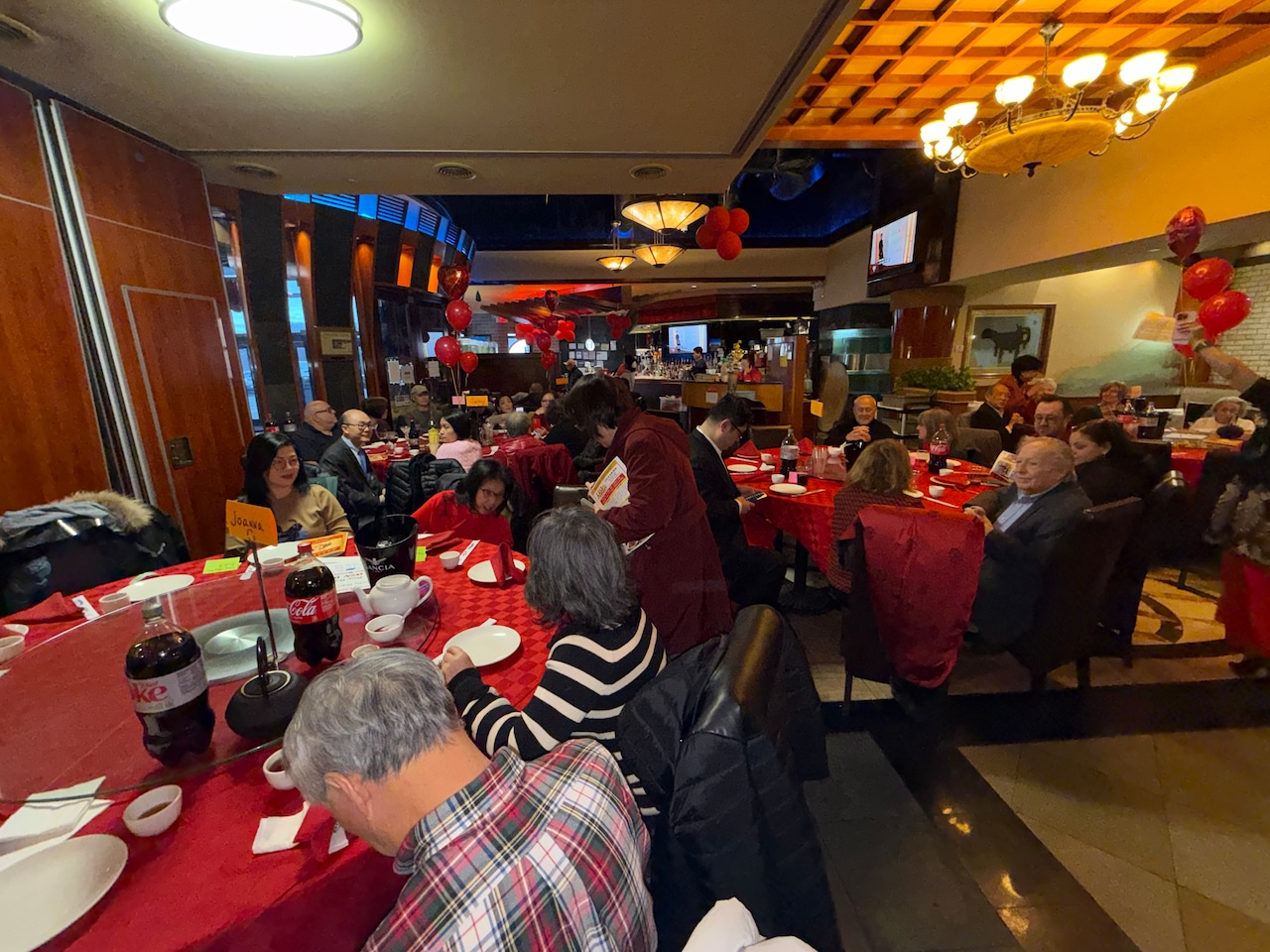 Scene from the Lunar New Year celebration hosted by the Chinese Society of Staten Island at East Pacific Restaurant in the Staten Island Mall on March 15, 2026. (Advance/SILive.com | Dr. Gracelyn Santos)(Advance/SILive.com | Dr. Gracelyn Santos)
“This growing interest in Chinese culture reflects the increasing integration and interest in cross-cultural exchange that has marked Staten Island’s demographic transformation.”
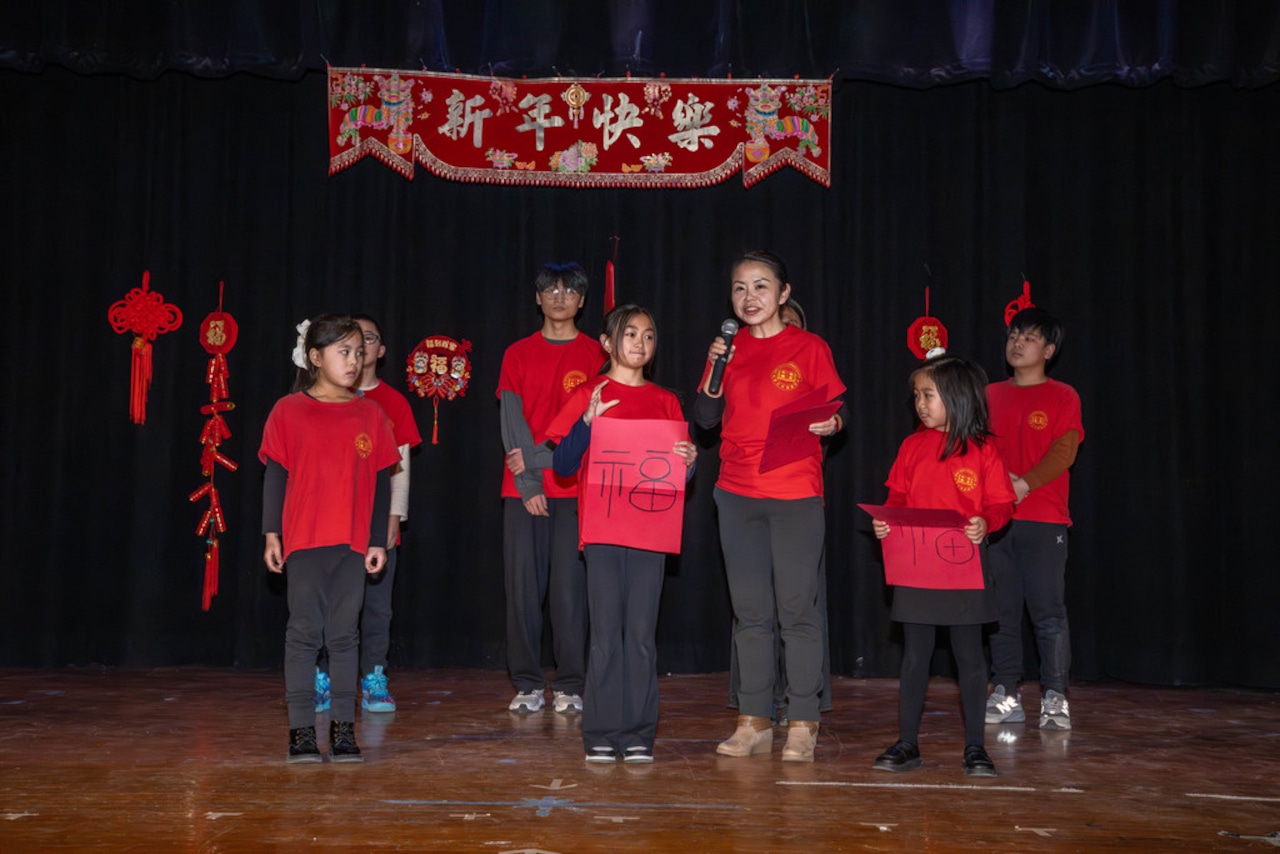 In celebration of Lunar New Year, the Staten Island Chinese School celebrates the Year of the Horse at the Staten Island Technical High School in New Dorp on Saturday, February 28, 2026. (Owen Reiter for the Advance/SILive.com)(Owen Reiter for the Advance/SILive.com)Staten Island: A quieter, family-friendly alternative
For many newcomers, Staten Island offers a combination of convenience and community.
While Queens and Brooklyn have long been established centers for Chinese immigrants, Staten Island provides a quieter, family-friendly alternative with easy access to the rest of the city.
“I’ve seen the community evolve in a way that has been truly heartening,” Tai said. “When I first arrived, there was a strong sense of community, but it’s grown even more over time.”
Brophy echoed this sentiment, noting that Staten Island’s slower pace of life, combined with its proximity to Manhattan, has made it an attractive destination for families seeking both opportunity and a sense of belonging.
“What I love about Staten Island is that it still feels like a neighborhood. People here really look out for each other,” she said.
The borough’s growing Chinese population is creating new networks of support, from social groups to cultural organizations, that help residents maintain their heritage while integrating into local life.
This sense of connection helps newcomers feel at home while also introducing them to new opportunities for economic and cultural exchange.
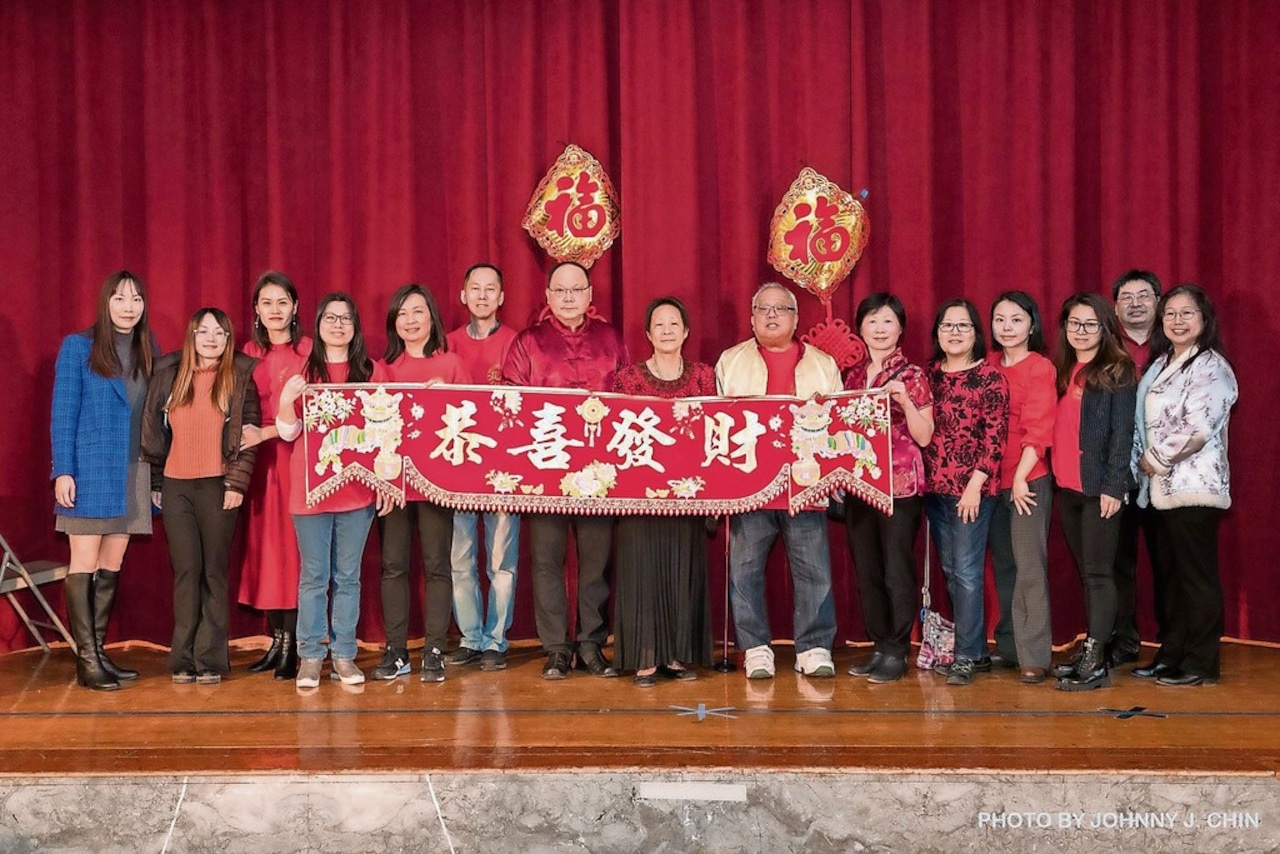 Staten Island Chinese School board members and teachers send good wishes to guests during a performance on Feb. 24, 2024 at Staten Island Technical High School, New Dorp, to celebrate Lunar New Year. (Photo courtesy Johnny Chin)(Photo courtesy Johnny Chin)A new era for Staten Island’s Chinese American community
As the numbers continue to rise, Staten Island is poised to become a significant center of Chinese culture in New York City.
For families and longtime residents alike, the demographic shift is bringing fresh energy, new perspectives, and opportunities for cross-cultural exchange in a borough that has long prided itself on its small-town feel.
“There’s still so much potential for growth here,” said Brophy. “The Chinese-American community is thriving, and I see more and more opportunities for our young people to succeed and contribute to Staten Island’s future.”