
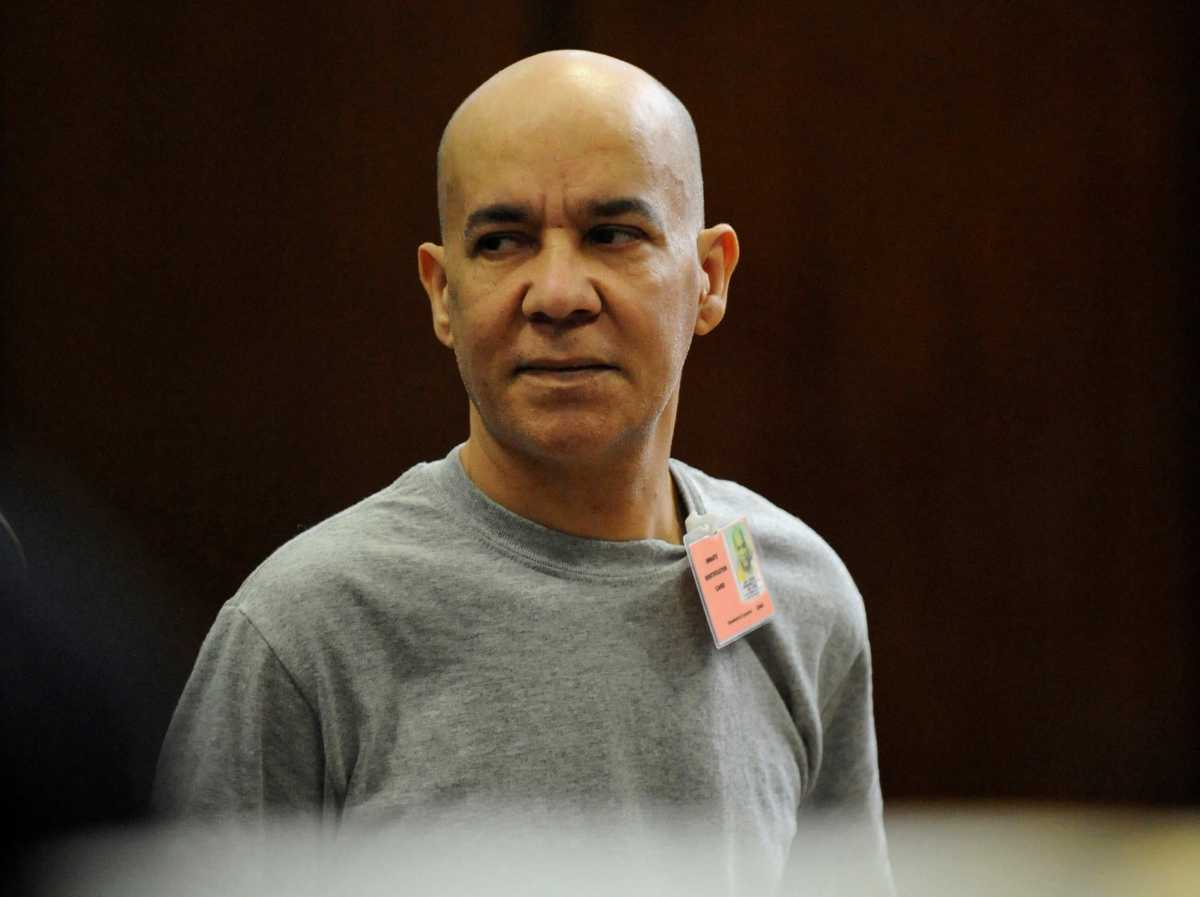
Pedro Hernandez, a former bodega clerk charged with abducting and killing Patz while he walked to school alone for the first time on May 25, 1979, was found guilty in 2017 and has been in prison since his 2012 arrest.
Hernandez’s first trial ended with a deadlocked jury in 2015, and the U.S. Court of Appeals for the Second Circuit overturned his 2017 conviction last July, when a three-judge panel found that New York Supreme Court Judge Maxwell Wiley, who presided over Hernandez’s 2017 trial, incorrectly answered a question from the jury regarding what evidence they could consider when making their decision, opening the door for him to face a third trial.
But Manhattan Supreme Court Judge Michele Rodney declined to dismiss the charges against him on April 17, disagreeing with Hernandez’s attorney’s arguments that, because Hernandez didn’t become a suspect in the case until 2012, almost four decades after Patz was killed, the pre-indictment delay was so great it showed prosecutors “sat idly” and shouldn’t be allowed to prosecute.
“It is true that the delay from [when] Etan Patz disappeared until [Hernandez] was arrested … was an extremely long period of time,” Rodney wrote. “However … law enforcement had no reason to suspect [Hernandez].”
Hernandez, now 65, became a suspect after he repeatedly confessed to police in 2012 that he had kidnapped Patz while he walked to his bus stop and killed him in a SoHo basement, an event which rattled the country when it happened. However, Hernandez’s lawyers have argued that his confession was the product of psychotic delusion — and that his first confession before police came before he was told he had the right to remain silent.
Harvey Fishbein, one of Hernandez’s attorneys, did not immediately respond to a request for comment. He’s previously called his client’s conviction “fundamentally flawed.”
Fishbein and others have argued that Hernandez fits the profile of someone who could be prone to making false confessions, that not all of his statements matched facts of the case and that police coerced a confession out of Hernandez when he was not mentally stable.
Doctors have diagnosed Hernandez with a myriad of disorders, including psychotic disorder, schizophrenia, bipolar disorder, chronic mental illness and memory impairment, along with an incredibly low IQ that would mean he was “functioning at the lowest level of intelligence compared to other people,” court filings say.
Rodney denied Fishbein’s requests on April 17 to admit expert testimony on memory and perception, introduce evidence that other, previous suspects in the case actually murdered Patz and to reopen a hearing on whether the statements Hernandez made to the police are admissible or not in a third trial.
The judge also said he disagreed with Fishbein’s arguments that the high media coverage around the case for years should be grounds for dismissal because it may have biased the jury pool, writing Friday that the court will “carefully work” to ensure only who jurors “promise to be fair and to consider only the evidence and the law, despite what they have learned about the case from the media,” are selected.
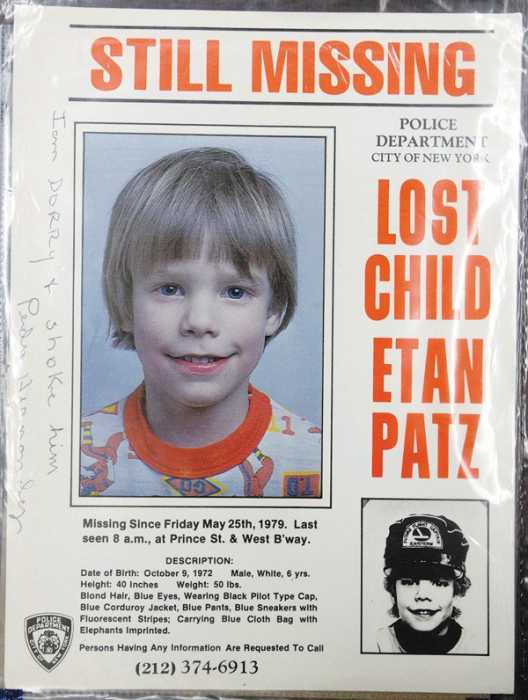 A missing-child poster from 1979 for Etan Patz that was shown to Pedro Hernandez by police during his first confession, in Camden, N.J., in 2012.Schneps Media Archives
Hernandez is set to appear in court on June 1, the date jury selection in his third trial needs to start, or else he’ll be released from prison.
The Manhattan District Attorney’s Office asked the United States Supreme Court to restore Hernandez’s conviction in December, but has not been successful in its petition. District Attorney Alvin Bragg has maintained his office’s commitment to retrying the case.