
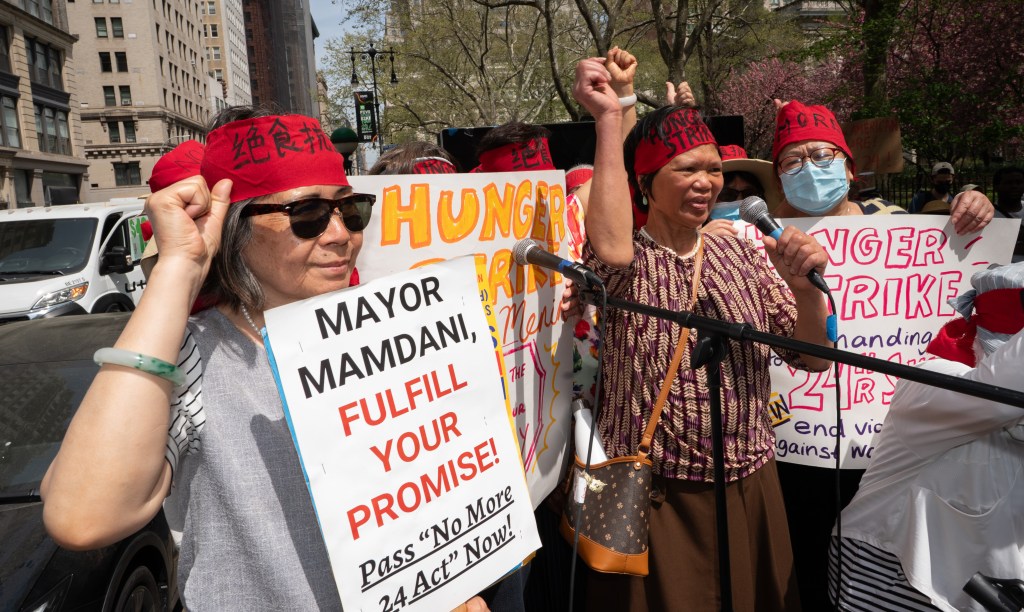
Every day in New York City, thousands of home attendants are being forced to work cruel 24-hour shifts while being paid for only 13 of those hours. For the remaining time, they are expected to stay on call, often without rest, ready to care for vulnerable New Yorkers. It is a blatantly exploitative system that exists almost nowhere else in the country.
Today, many of these workers are on hunger strike to demand an end to the 24-hour workday. Though many are elderly, they have made the courageous decision to put their bodies on the line. We stand with them in solidarity. Workers have been organizing around this issue for more than a decade, and many have spent far longer than working these shifts themselves. They can wait no more.
This is not just bad policy. It is a moral failure.
Some argue that change must come at the state level because Medicaid reimbursement structures helped create this system. Assemblymember Kim has spent years investigating how those rules contributed to wage theft in home care. The state must continue that work. But state responsibility cannot become an excuse for city inaction while workers continue to suffer.
The reality is that many agencies have already made this transition successfully. The No More 24 Act targets a shrinking minority of bad-actor agencies that still rely on 24-hour shifts because they are cheap labor.
For Councilmember Marte, this issue is deeply personal. His mother was a home attendant, and there were stretches of his childhood when he would not see her for days because she was working consecutive 24-hour shifts. When she did come home, she was often exhausted, able to only sleep before returning to work again.
That is what this system demands of workers. It takes them away from their families, their health, and their lives, even as we trust them to care for the people we love most.
So we have to ask ourselves: how can we expect someone to provide safe, compassionate care when they themselves are running on little to no rest? Protecting workers is not in conflict with protecting patients; it is essential to it.
This legislation would end 24-hour shifts and require 12-hour shifts instead, the standard already used across the rest of New York State and the country. More than a dozen home care agencies in New York City have already transitioned to split shifts without additional state intervention. They have not reported major staffing disruptions or funding crises. Patients continue receiving care, and workers continue doing their jobs under more humane conditions.
If the rest of the state is already doing this, and agencies here in New York City are proving that it works, why are 24-hour shifts still allowed at all?
At its core, this is a labor issue. Councilmember Marte’s office has worked directly with home attendants to recover stolen wages and mediate disputes with agencies, while Assemblymember Kim’s investigations have helped expose structural underpayment. Together, we have seen firsthand how this system leaves workers exhausted, isolated, and vulnerable.
Ending the 24-hour workday is not just about fairness; it is about safety. No one should be responsible for another person’s well-being after being awake for 24 hours, and no one should have to risk their health on a hunger strike just to be heard. Better care for patients starts with better conditions for workers.
The workers outside City Hall are reminding us that the No More 24 Act is about dignity, respect, and recognizing that the people who care for our loved ones deserve care, too.
Marte represents Lower Manhattan in the City Council. Kim represents parts of Queens in the state Assembly.