
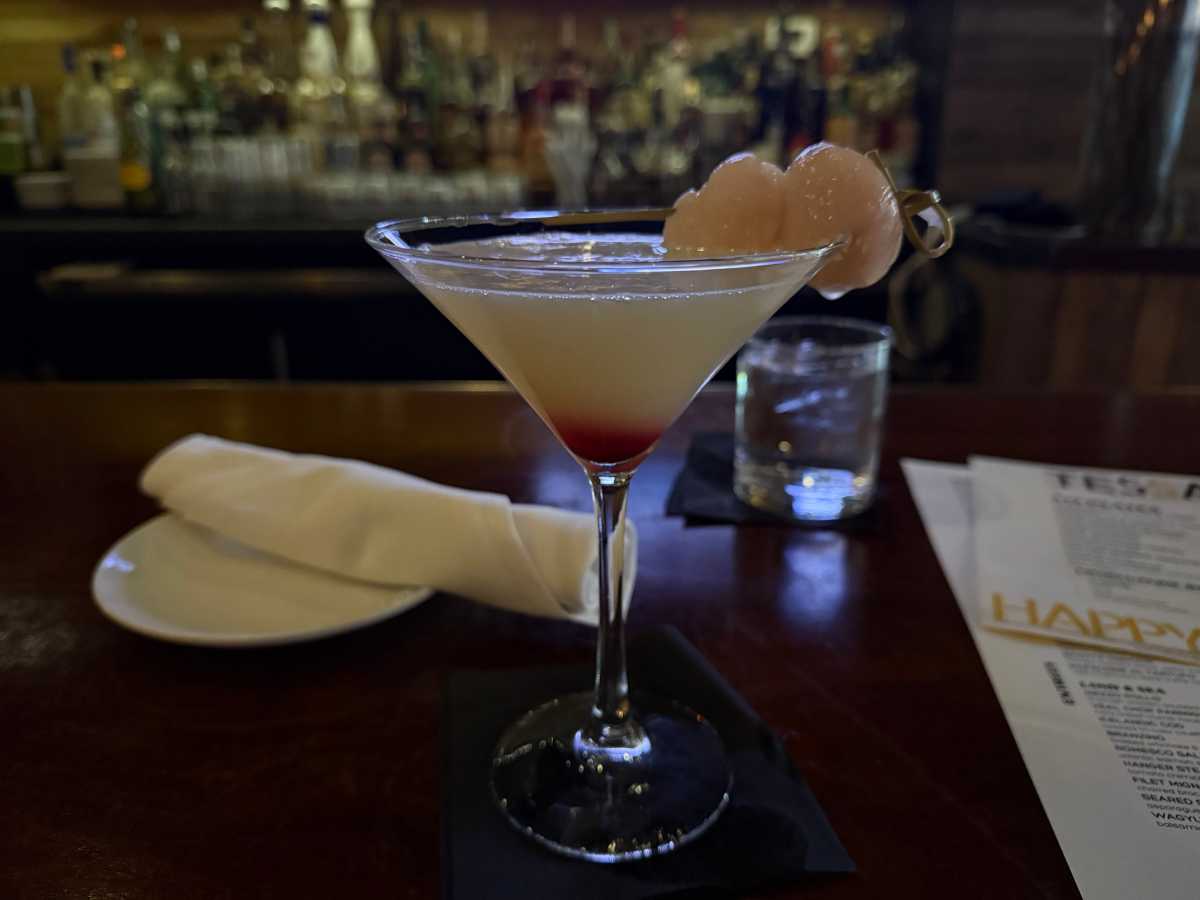
Fewer people are drinking alcohol across the US, including the nation’s most traveled-to city: NYC.
The national consumption of beer, wine and spirits hit a 90-year low last year, per a survey by the Gallup Poll Social Series. The results found that 54% of Americans in 2025 occasionally consumed alcohol. The drinking rate has also been steadily decreasing since 2022, as the poll reports that “the figure fell to 62% in 2023 and to 58% in 2024.”
Here in NYC, the restaurant beverage industry, as well as bars, clubs, and liquor stores, have been feeling the effects.
Robert Sarabia, bartender at Kingston Hall in the East Village, started to notice the decline in drinking within the last two years. The colonial Jamaica-themed bar is located on 2nd Avenue, between 9th and 10th Streets, and opened in 2012.
“More people are ordering mocktails,” said Sarabia.
Kingston Hall is known for its buy-one, get-one happy hour, and pool table. But Sarabia says he’s noticed more customers coming in to order a soda or water, rather than a beer or cocktail, and use the pool table.
Businesses in other neighborhoods are feeling the difference as well, like TESSA in the Upper West Side. The sultry, modern American eatery sits on Amsterdam Avenue, between 76th and 77th Streets, a short walk from the American Museum of Natural History and the Beacon Theater.
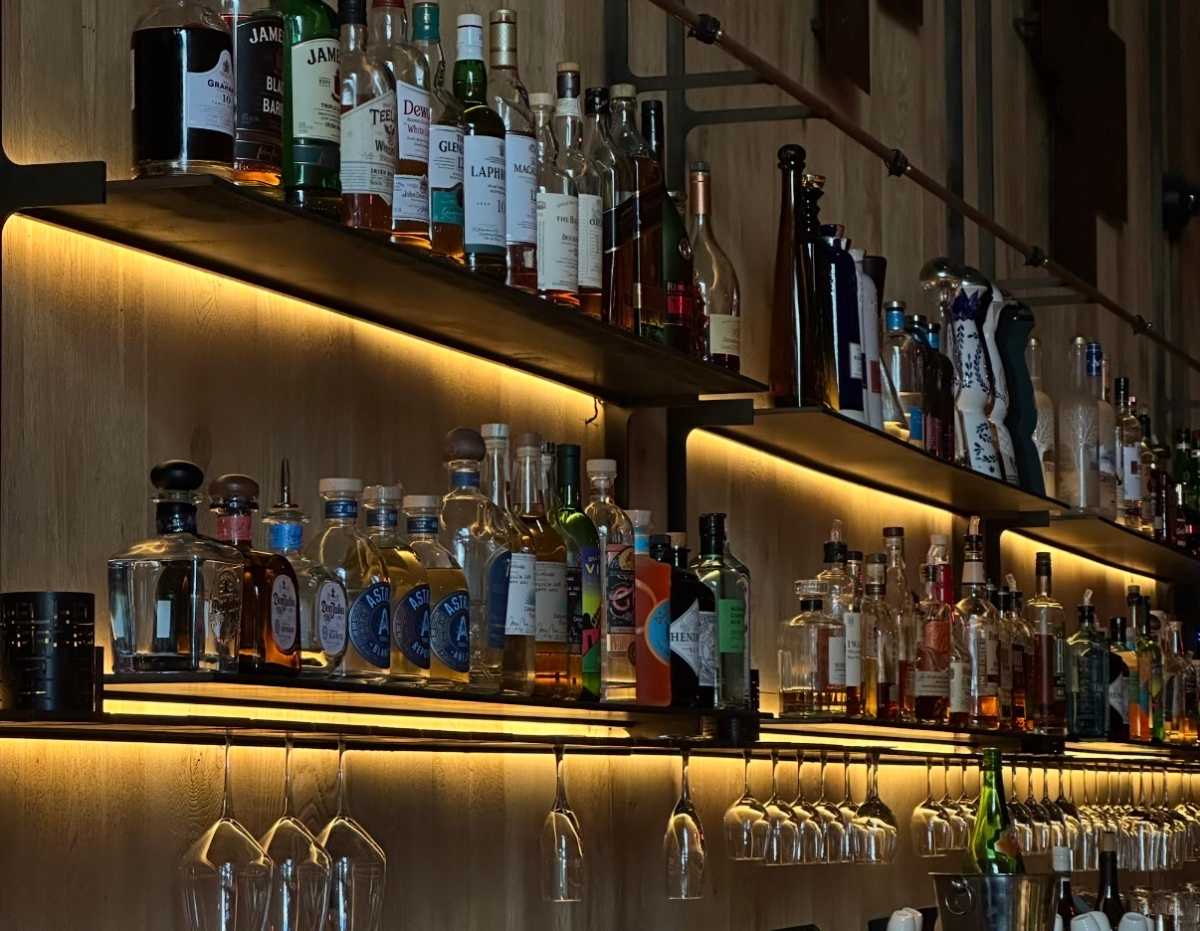 Bar bottles on the Upper West Side.Photo by Nia Watson
Both a bar and restaurant, many of its customers stop in for pre-show food and drinks, according to TESSA’s beverage director Zack Lee.
“During COVID, everything slowed down,” said Lee. “People’s willingness to spend money decreased.” About a year or two ago, though, was when Lee started to notice more and more customers requesting non-alcoholic beers, which was telling for a bar-heavy restaurant.
“People want to drink but want low alcohol by volume,” like a negroni without the liquor, said Lee. But TESSA has been making efforts to counter the decline in drinking. Lee says the owners have been encouraging him to research and expand on the mocktail options, in order to meet the demand.
“Our focus is the neighborhood,” said Lee. “We’ve definitely seen a hit for sure.”
“Restaurants already operate on very tight margins,” said Andrew Rigie, Executive Director of the NYC Hospitality Alliance, over email. “So when operating costs continue to rise and higher-margin items like alcohol see declining sales, it puts even more financial pressure on restaurant businesses.”
The health shift, the younger generation and the future of drinking
According to the Gallup poll, the nationwide drop “coincides with a growing belief among Americans that moderate alcohol consumption is bad for one’s health,” particularly among young adults.
The “sober curious” movement is increasingly trending among Generation Z. It’s a lifestyle shift that aims to “challenge drinking culture and norms, improve health and wellbeing” and “create sustainable, less risky alcohol habits,” according to the Alcohol and Drug Foundation.
One local bartender says he’s noticed such a generational change.
“One of the bigger factors I’ve noticed is less young people coming to bars,” said Oscar Tsukayama, who has bartended for years at bars, distilleries and restaurants in Brooklyn and Manhattan.
And overall, younger generations’ growing concerns over health coincide with the expanding global wellness industry. It’s an industry that McKinsey and Company estimates “represents more than $500 billion in annual spend, growing at 4 to 5 percent each year.”
For others, the shift away from social drinking relates more to a preference in other recreational substances. As Kantor Global Monitor reports, this younger demographic is “21% more likely [than the global population] to opt for mood-enhancing food and beverage ingredients instead.”
And here in New York, marijuana use is higher among those 18-44 than among older age groups, per NYC Health data.
Aside from the growing health and wellness consciousness, as well as the role of weed legalization in NY, another major motivating factor for the decline in drinking is economic: the financial burden.
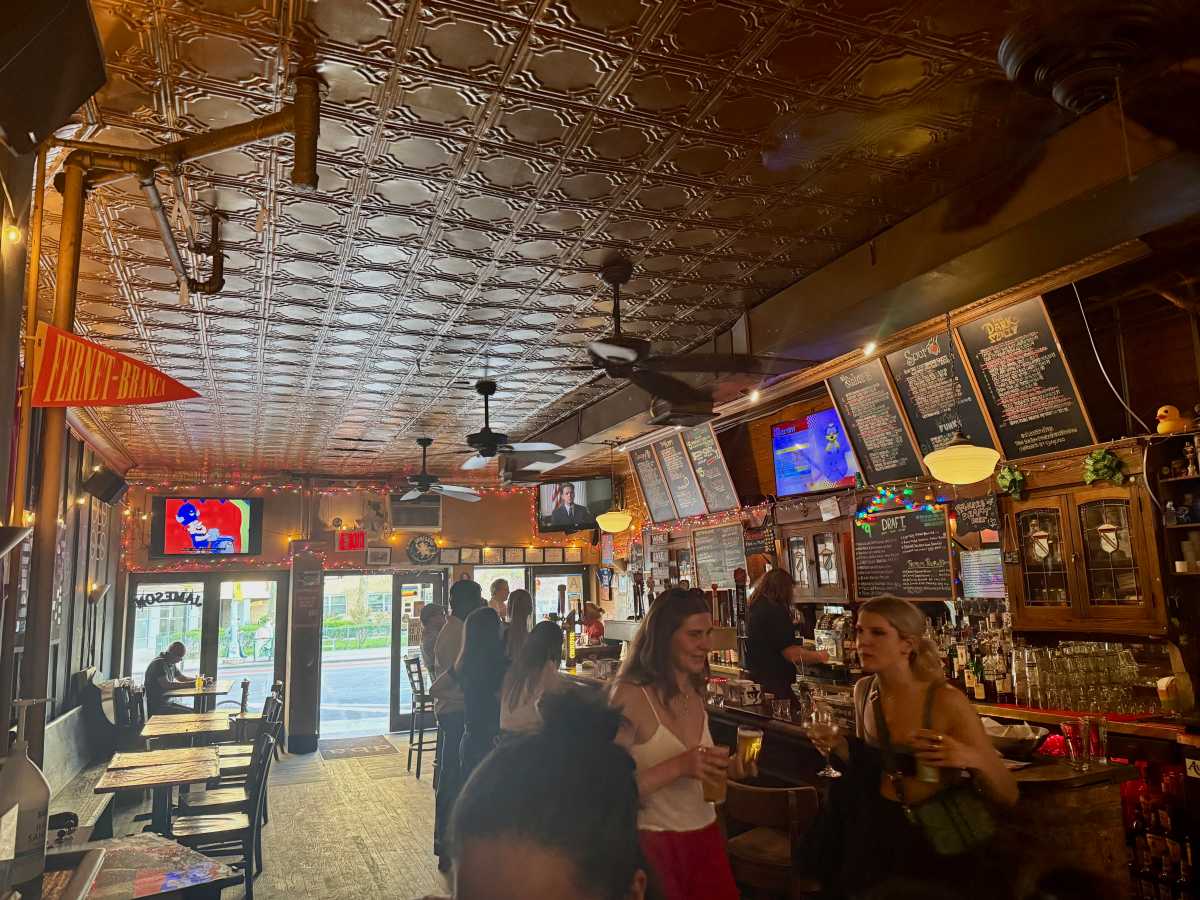 Happy hour in the East Village.
“The price of cocktails has increased substantially,” said Tsukayama, who currently bartends at Festivál Café on Second Avenue and 61st Street. “At my spot in Brooklyn, $17 was the average price for a cocktail, and now in the Lenox Hill area, our cocktails run for about $20.”
Compared to customers in their 30s, he has mostly noticed those in their 20s primarily go to the bar for activities, birthdays or special events, rather than just casual drinks. He says that the financial pressure may contribute to that difference.
“If this younger generation is drowning in debt, how do we expect them to show up for these cocktail prices, especially if we don’t have another promise of an event or community for them?” said Tsukayama.
Drinking culture is a significant part of NYC’s nightlife scene. So there is uncertainty about what the decline in drinking, or in younger generations’ low rates of drinking, could mean for the future of the nightlife industry.
“With less money going to the bars (aka 80% profit from each drink), I assume there will be more cover fees at the entrance, or maybe a bigger emphasis on the food service and thus more expensive/overpriced food,” said Tsukayama.
But he is optimistic about the future: “Best case scenario, I hope it’ll lead to bars being more like performance venues, and hopefully have more live music and hopefully dancing.”