
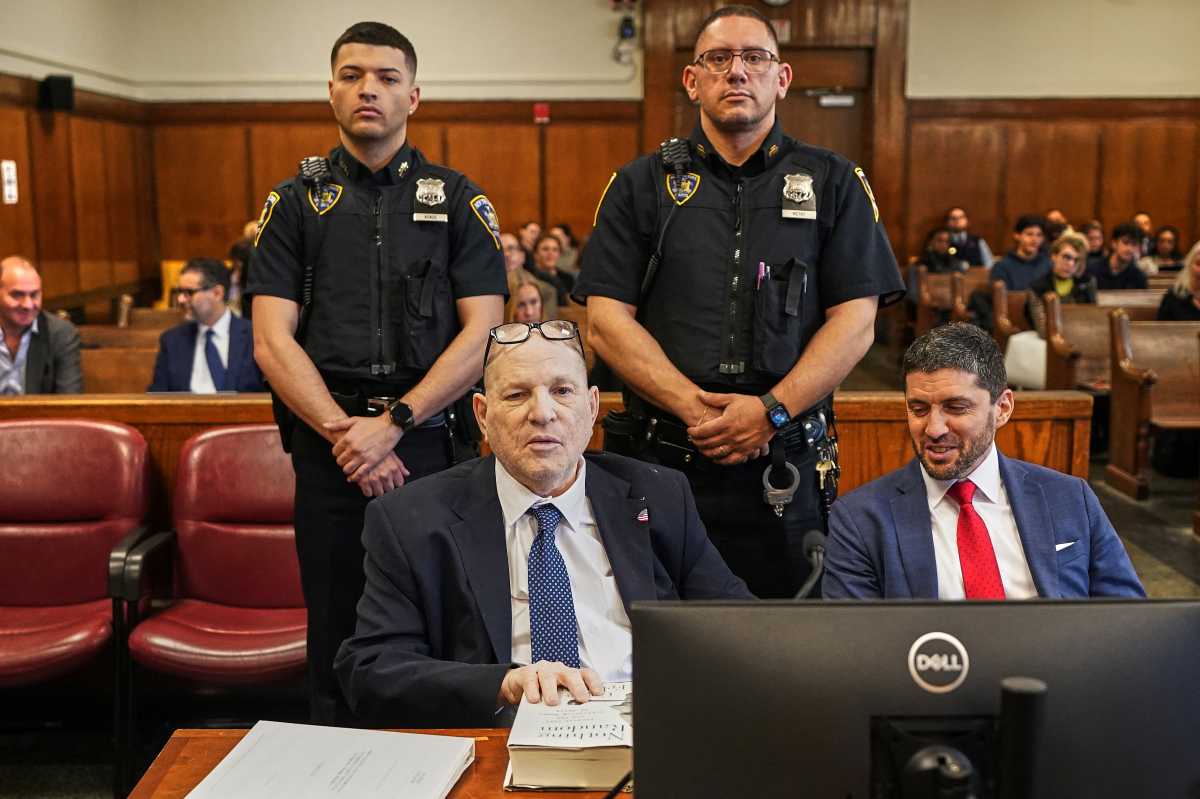
Attorneys made opening arguments in Harvey Weinstein’s third rape trial on Tuesday, six years after the disgraced Hollywood mogul took the stand over a case that helped spark the “MeToo” movement.
A jury of seven men and five women has been tasked with deciding whether Weinstein, 74, raped a hairstylist and actress, Jessica Mann, 40, in a Manhattan DoubleTree hotel in 2013.
The attorneys on both sides outlined how they will contend with the influence that Weinstein held as a result of leading the Miramax film studio for over two decades, and the dynamics of Weinstein and Mann’s relationship.
Manhattan Assistant District Attorney Candace White alleged that Weinstein used his professional influence and emotional manipulation to force Mann into intercourse that she clearly said she didn’t want to have in Manhattan.
“She told him ‘No, I don’t want this,’ but no was not a word that the defendant was used to hearing,” White said in her opening argument.
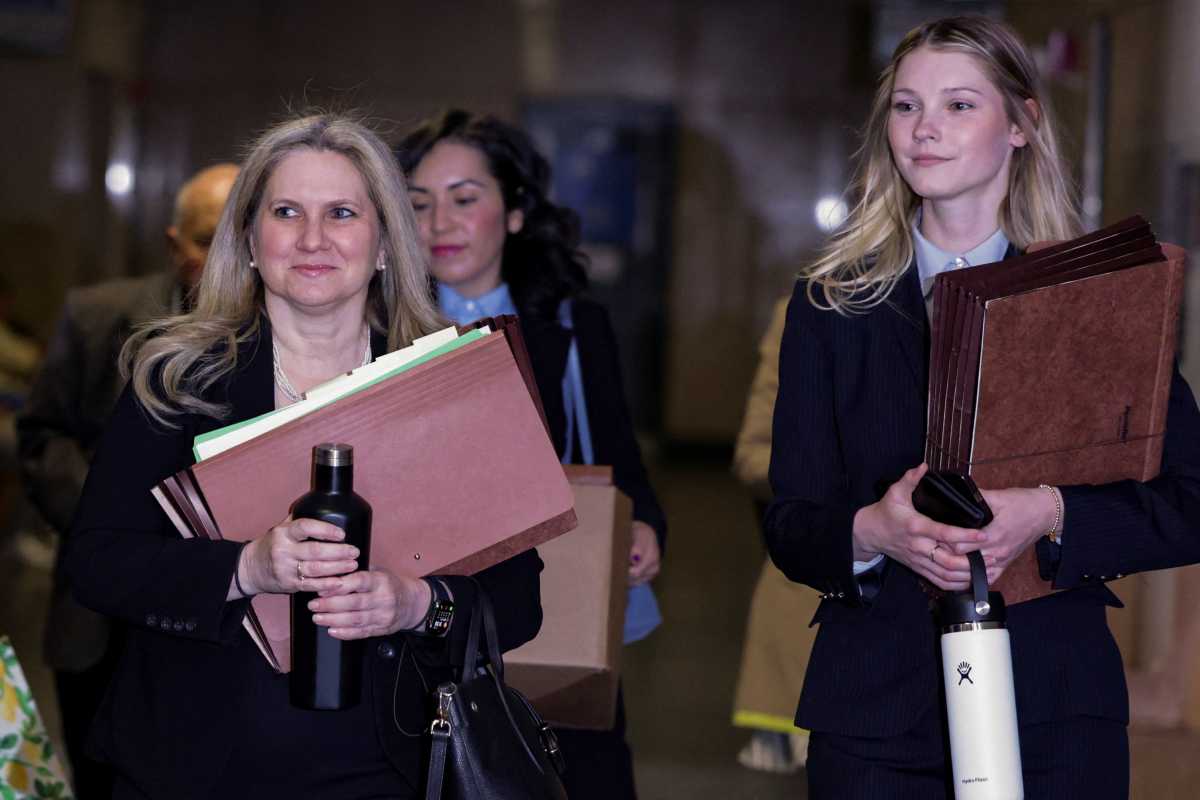 Assistant District Attorney Nicole Blumberg arrives at Manhattan Supreme Court for Harvey Weinstein’s third trial on rape charges, April 21, 2026. REUTERS/Jeenah Moon
Weinstein’s attorney, Jacob Kaplan of Agnifilo Intrader, argued Mann had agency in their relationship and during the incident in the DoubleTree.
“She didn’t go to that [hotel] room because she was forced to,” Kaplan said. “She chose to go to the room and she chose to have sex with him.”
Weinstein’s retrial comes after the former producer was convicted in June of forcing oral sex on former “Project Runway” assistant Miriam Haley in 2006 and not guilty of assaulting Polish model Kaja Sokola. During that trial, jurors were unable to reach a verdict on a third charge involving Mann.
On Tuesday, both sides acknowledged the complicated nature of Mann and Weinstein’s relationship over time. Weinstein had sexually assaulted Mann prior to the incident, according to prosecutors, but they had also had consensual sexual encounters and maintained a relationship afterward.
Mann met Weinstein as a young aspiring actress who had left her evangelical upbringing to move to Los Angeles in pursuit of an acting career. Shortly after they met, White said, Weinstein soon pressured her into oral sex in a hotel room in California. In the time period that followed, they continued to see each other and had consensual sexual encounters.
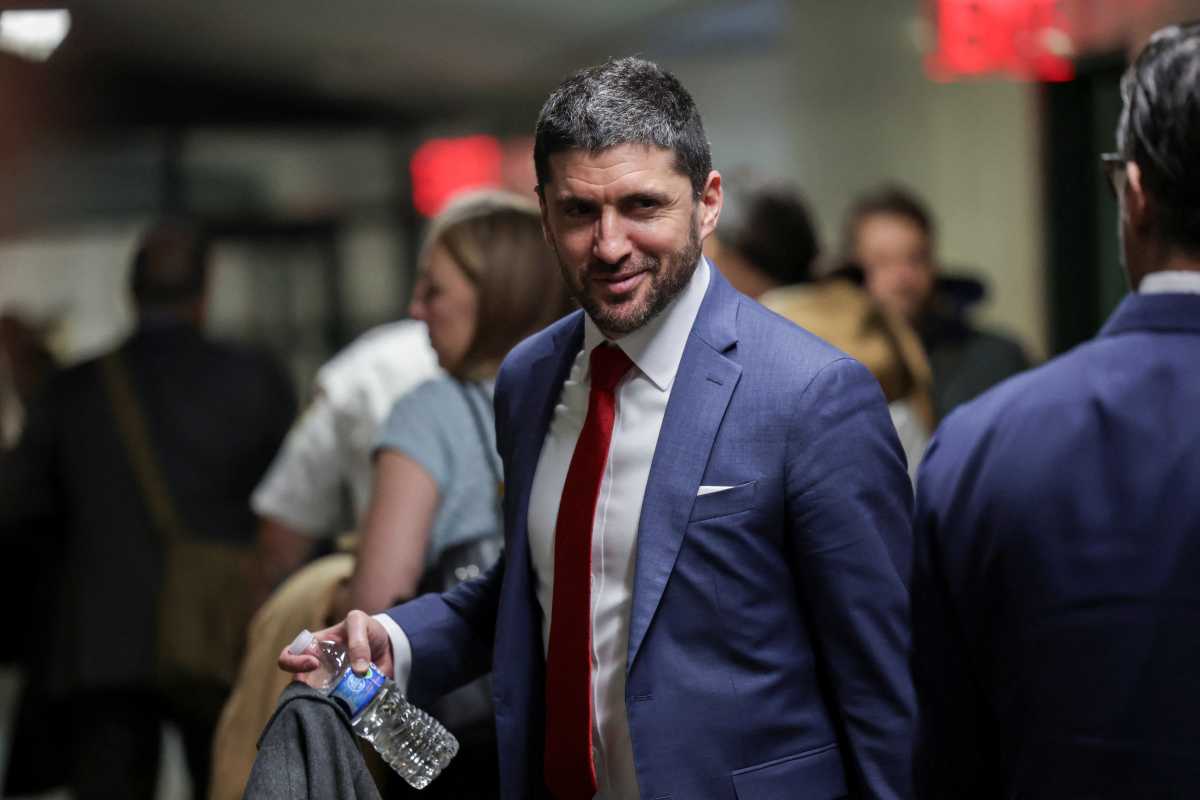 Harvey Weinstein’s attorney Jacob Kaplan leaves during a break in proceedings at Manhattan Supreme Court during Weinstein’s third trial on rape charges, April 21, 2026.REUTERS/Jeenah Moon
The District Attorney’s office portrayed the relationship that Weinstein had with Mann as being that of a predator and a vulnerable person who was “living out of her car.” Kaplan maintained that it was a relationship in which each person was getting something out of it.
Prosecutors and Mann accused Weinstein of raping her at the Manhattan hotel on March 18, 2013, during a trip to New York City before a lunch Mann had coordinated between Weinstein and a Hollywood agent.
White said that Weinstein arrived early at the hotel, unexpectedly booked a room, and demanded that she come up with him. Though White alleged that Mann clearly communicated that she did not want to have sex “by her words and actions,” Weinstein continued to disrobe, lay on top of her and have penetrative sex with her.
There was a moment where he went to the bathroom and was no longer blocking the door, White said, but Mann understood there to be “rules” about the interaction.
“This case will come down to power, control, and manipulation,” White said.
Kaplan insisted that evidence will show that Mann had a chance to leave and decided not to. His opening argument also emphasized the role that emails before and after the event in Manhattan could serve to portray their relationship in a different light, insisting that they will show that Weinstein did not rape Mann “at any point.”
“This case will be her word against her own word,” he said.