
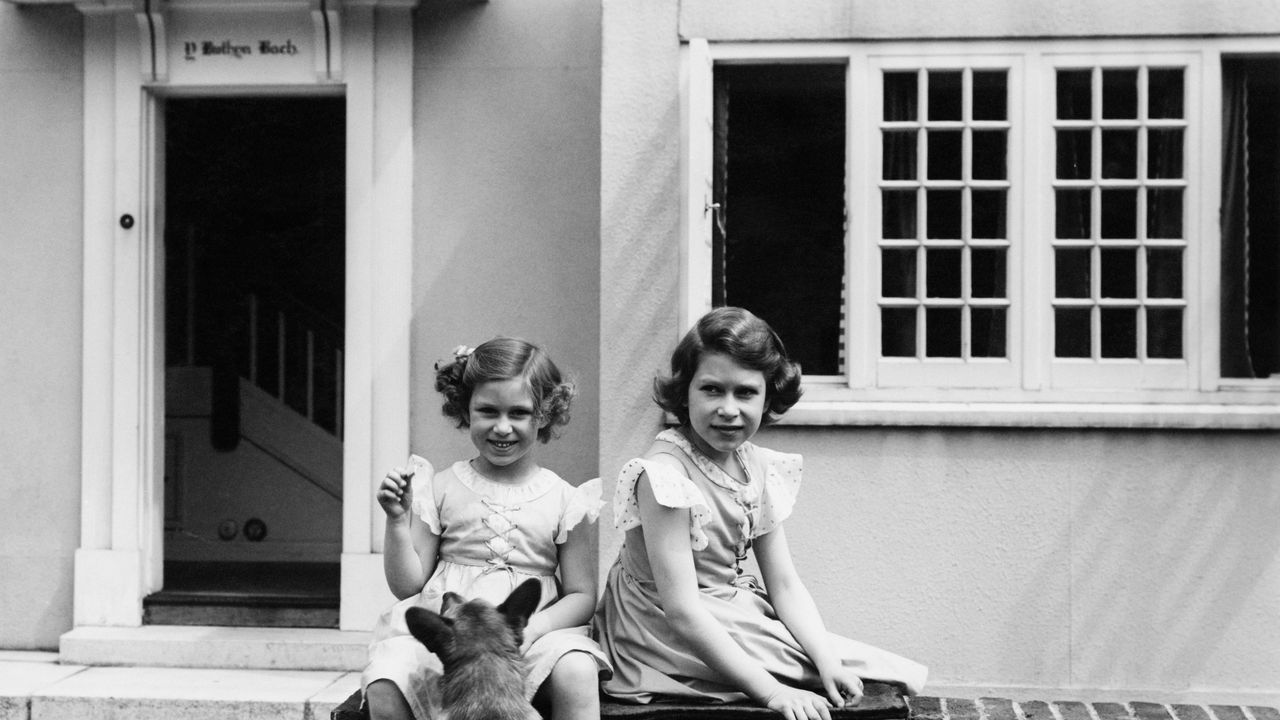
Princess Elizabeth moved into Buckingham Palace in 1936 when her father became king. The building, initially a town house built in 1703, was purchased by King George III for Queen Charlotte in 1761. It became the official London residence of the royal family in 1837 when Queen Victoria ascended the throne. Architects John Nash and Edward Blore enlarged the palace during the 19th century, and the iconic façade was remodeled in the early 20th century. King Charles II was born at the residence in 1948.
The Palace boasts 775 rooms, including 19 staterooms, 52 bedrooms for the royals and their guests, 188 staff bedrooms, 78 bathrooms, and 92 offices. After she became queen in 1952, Elizabeth used the palace as her permanent residence until 2020, when she moved to Windsor Castle full-time. In 1962, she added the Queen’s Gallery (now known as the King’s Gallery) to the Palace, so that visitors can view a rotating selection of art from the Royal Collection. She also approved plans for an extensive, ongoing renovation of Buckingham, which began in 2018 and is set to be completed in 2027.
Clarence House

Princess Elizabeth’s sitting room on the first floor of Clarence House in London in 1949.
Photo: Hulton Archive/Getty Images
Following her wedding to the duke of Edinburgh in 1947, the princess used Clarence House, a residence built between 1825 and 1827 and designed by architect John Nash, as her and her husband’s London home. The couple began their marriage and family in the home, and the princess gave birth to her daughter, Anne, Princess Royal, there in 1950. Following the queen’s ascension, Clarence House became home to Queen Elizabeth, the Queen Mother, and Princess Margaret, and in 2003 became the London residence of the Duke and Duchess of Cornwall (now King Charles III and Camilla, Queen Consort) and a bachelor Prince William. It still serves as the king’s primary dwelling.
Villa Guardamangia
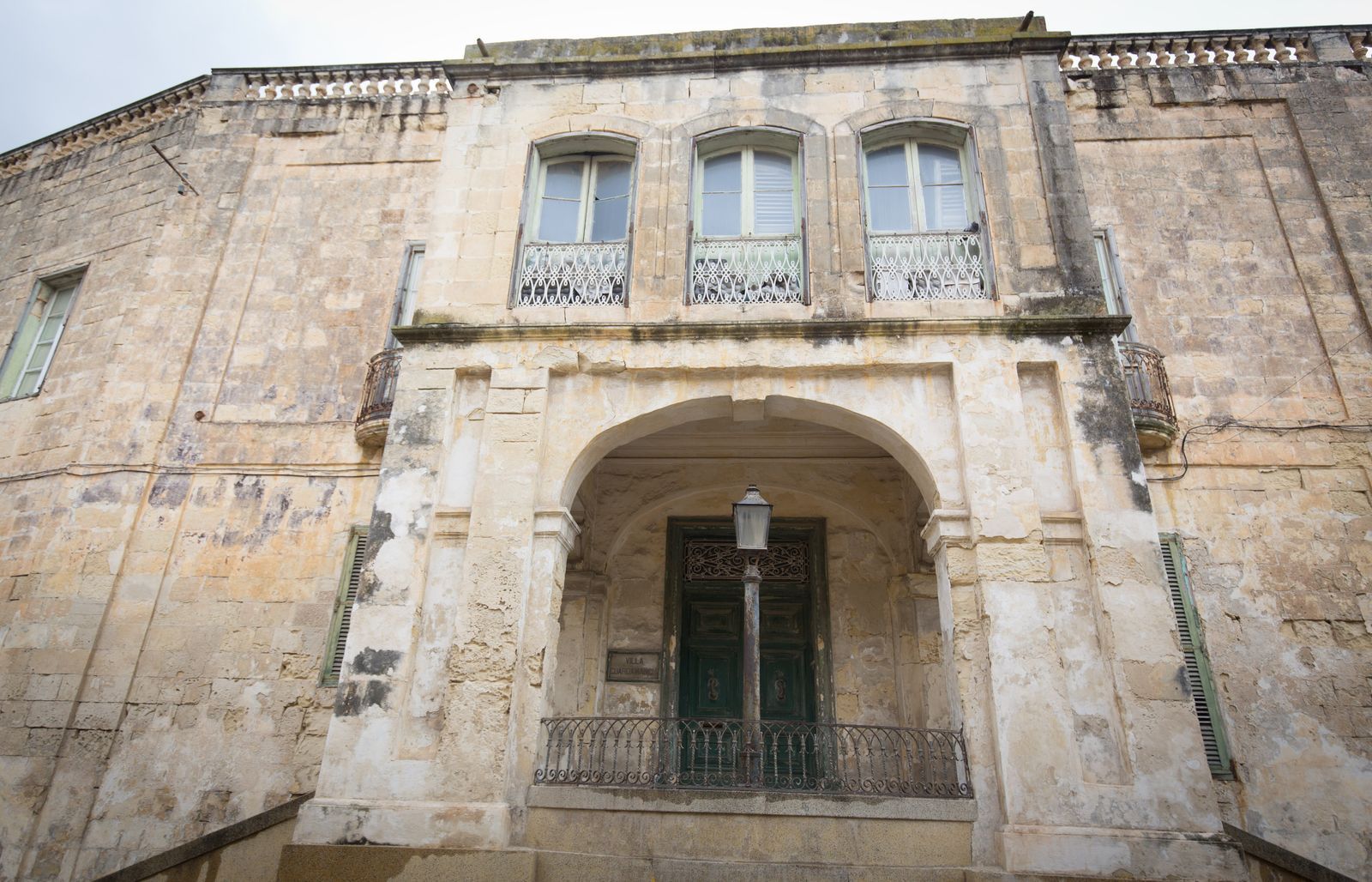
The exterior of Villa Guardamangia in Malta.
Photo: Matt Cardy/Getty Images