
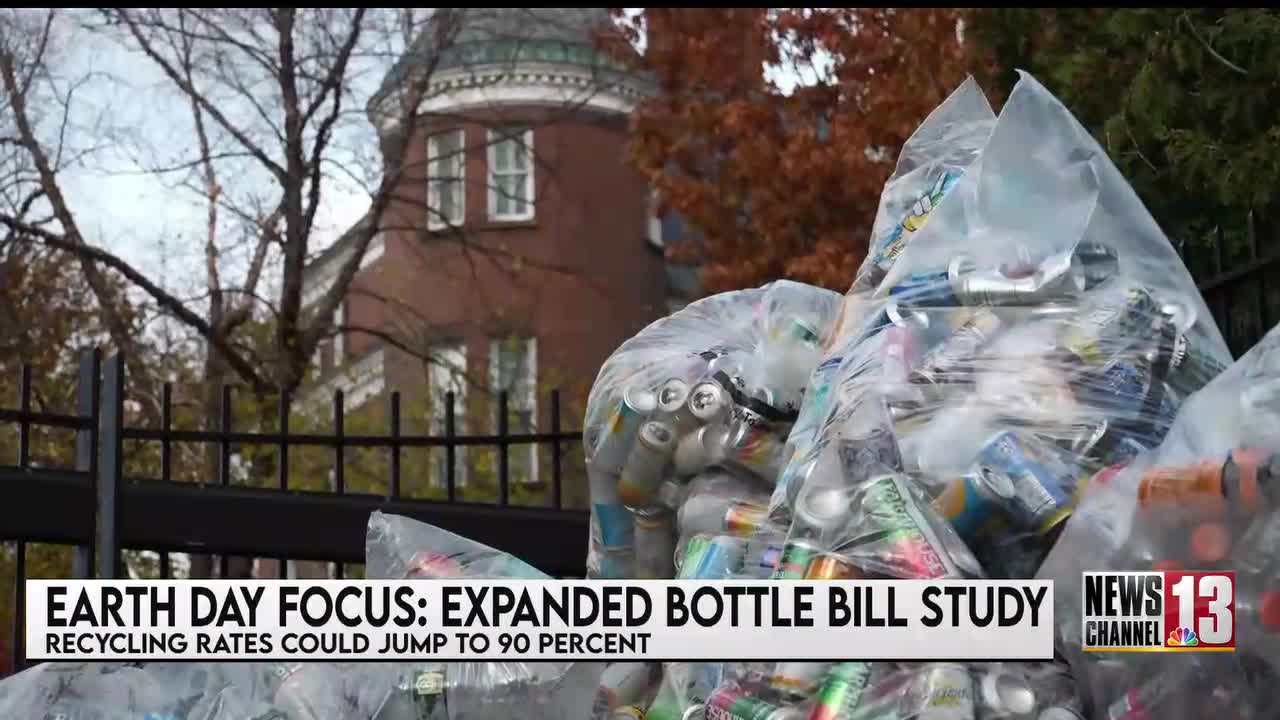
TROY, N.Y. (WNYT) – One study is highlighting how changes to New York’s bottle deposit system could significantly increase recycling rates while also saving money for local communities.
According to the report, New York currently recycles about 66% of its beverage containers. But with an expanded bottle bill and a stronger deposit return system, that number could climb to more than 90%.
Advocates say that the jump would keep millions of additional bottles and cans out of landfills and move more materials into recycling streams where they can be reused.
Blair Horner with the New York Public Interest Group (NYPIRG) says while recycling programs exist, the state has struggled to improve its performance.
“The good news is there are different kinds of programs that exist … to pull the waste out of the waste stream so that it doesn’t end up in the landfill,” Horner said. “The bad news is that in New York, the recycling rate has been stagnant now for many years, and New York is not doing a good job.”
The study also examined how those changes could impact local communities, using Troy as an example.
Researchers found the city could save between $40,000 and $70,000 per year in municipal waste costs by reducing the amount of trash and recycling that needs to be collected. Statewide, savings could reach tens of millions of dollars through reduced expenses for collection, disposal, and litter management.
However, the report notes potential tradeoffs. Material Recovery Facilities (MRFs), which sort and process recyclables, could see revenue losses if fewer bottles and cans pass through their systems. Those losses could be offset if facilities adjust tipping fees or find ways to capture value from deposit containers.
The study also points to broader economic factors, including rising aluminum costs tied to tariffs. Canada is the largest supplier of aluminum to the United States, and higher prices could make recycling domestic materials more valuable.
“As tariffs raise the price of aluminum from Canada, it makes the aluminum products in the United States … more valuable,” Horner said. “We’re hoping that will stimulate recycling.”
Beyond economics, the report raises concerns about landfill capacity. Experts warn that without changes, landfills could run out of space or require new permits to expand in the coming years.
Supporters say improving recycling systems now could ease that pressure while creating a more sustainable long-term approach to waste management.
“It’s an opportunity to reflect on what policies can make the future Earth more helpful to the people who live here,” Horner said.
Advocates argue that expanding the bottle bill is one step toward that goal- increasing recycling rates, reducing waste, and helping communities manage costs at the same time.
For Related Stories: Earth Day Bottle Bill Better Bottle Bill NEW YORK BOTTLE BILL