
I have lived many lives in my 78 years. I was born in Puerto Rico and came to New York City from the Dominican Republic with my mother in 1960, chasing opportunity like so many immigrants before me. I studied molecular biology, lived out West working as a ski instructor, drove trucks, taught piano, waited tables, and eventually found my way back home—to the city I have always considered mine. For the past 41 years, I’ve lived in the same apartment in Flatbush, creating a life rooted in community, public service, and independence.
That independence nearly vanished after a head-on crash in the Brooklyn Battery Tunnel in 1984. The injuries I sustained changed everything. Over time, I went from walking with a cane to losing the ability to stand or walk at all. I lost not just my mobility, but my sense of autonomy. At my lowest point, I felt like I had become someone else’s property, no longer in control of my own life.
What brought me back was access to consistent, reliable home care.
Since 2011, I have had 24-hour care. I use a CPAP machine at night and cannot assemble or remove it on my own. Without someone there, I would not be safe. That is not an exaggeration—it is a fact.
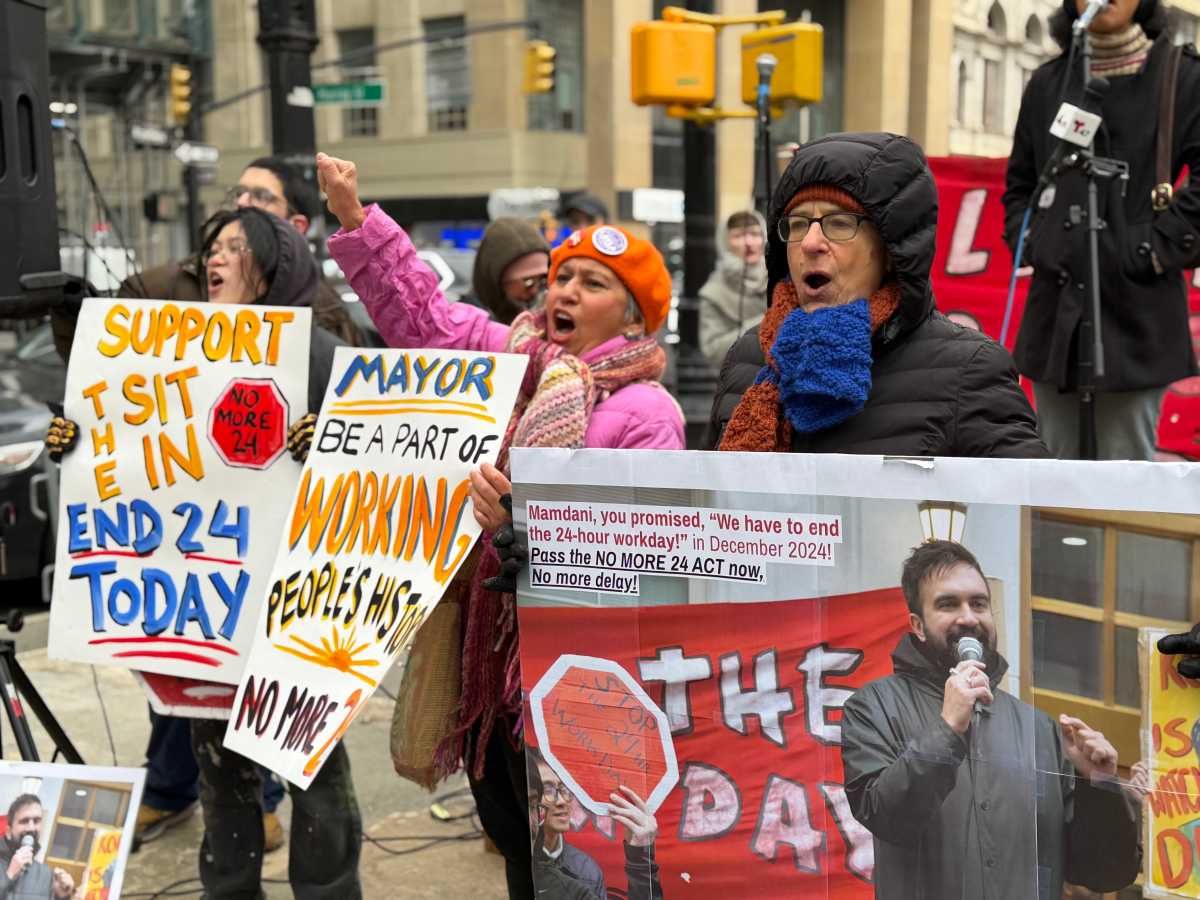
I would not be alive today without the support of home care aides. That is why I am deeply alarmed by Intro 303, the New York City Council bill known as “No More 24.” While its name suggests compassion, the reality is far more dangerous. This bill would eliminate 24-hour shifts without putting anything workable in their place. For people like me—New Yorkers with significant disabilities—it creates a gap in care that could have life-or-death consequences.
Supporters of the bill often claim that agencies can simply switch to split shifts. That is not true. Agencies cannot legally make that change unless insurance plans authorize it. Right now, they do not. Intro 303 does nothing to address this fundamental barrier. It offers no mechanism to ensure that people who need continuous care will actually receive it under a different structure.
In other words, it takes away something that works for many of us and replaces it with nothing.
There is also a misunderstanding about what 24-hour care looks like in practice. My aide does not work nonstop for 24 hours. She follows a schedule similar to mine, resting in a separate bedroom during the evening. In reality, shetypically works no more than 12 consecutive hours. This arrangement allows me to remain safe overnight while also giving my aide time to rest. It is not perfect, but it is functional—and, most importantly, it keeps me in my home and out of an institution.
Because make no mistake: without reliable, continuous care, institutionalization becomes the only alternative for many of us.
I have fought hard to remain part of the community. I serve on the board of Disabled in Action. I have worked with the New York City Board of Elections since 1985, helping coordinate polling sites and ensuring that our democracy functions. None of this would be possible without the support I receive at home.
Twenty-four-hour care is not about convenience. It is about dignity. It is what allows me to live, not just exist.
It is also deeply frustrating that the voices of people most affected by this bill have been sidelined. Disability rights advocates have repeatedly asked to work with City Council members and labor advocates to find a solution that protects both caregivers and care recipients. That collaboration has not happened in any meaningful way.
It should.
Caregivers deserve fair working conditions and respect. On that, we all agree. But policies that ignore the realities of people with significant disabilities do not advance justice—they create new harm. We can and must find a solution that ensures fair pay and humane schedules for workers while preserving continuous, life-sustaining care for those who need it.
Intro 303 is not that solution.
New York prides itself on being a city where everyone belongs. But belonging requires more than words—it requires policies that allow people to live safely in their own homes, in their own communities.
For me, and for many others, 24-hour care is the difference between living and merely surviving.
If this bill passes as written, that difference could disappear.
Julia Yepez-Macbeth is board member of Disabled in Action.