
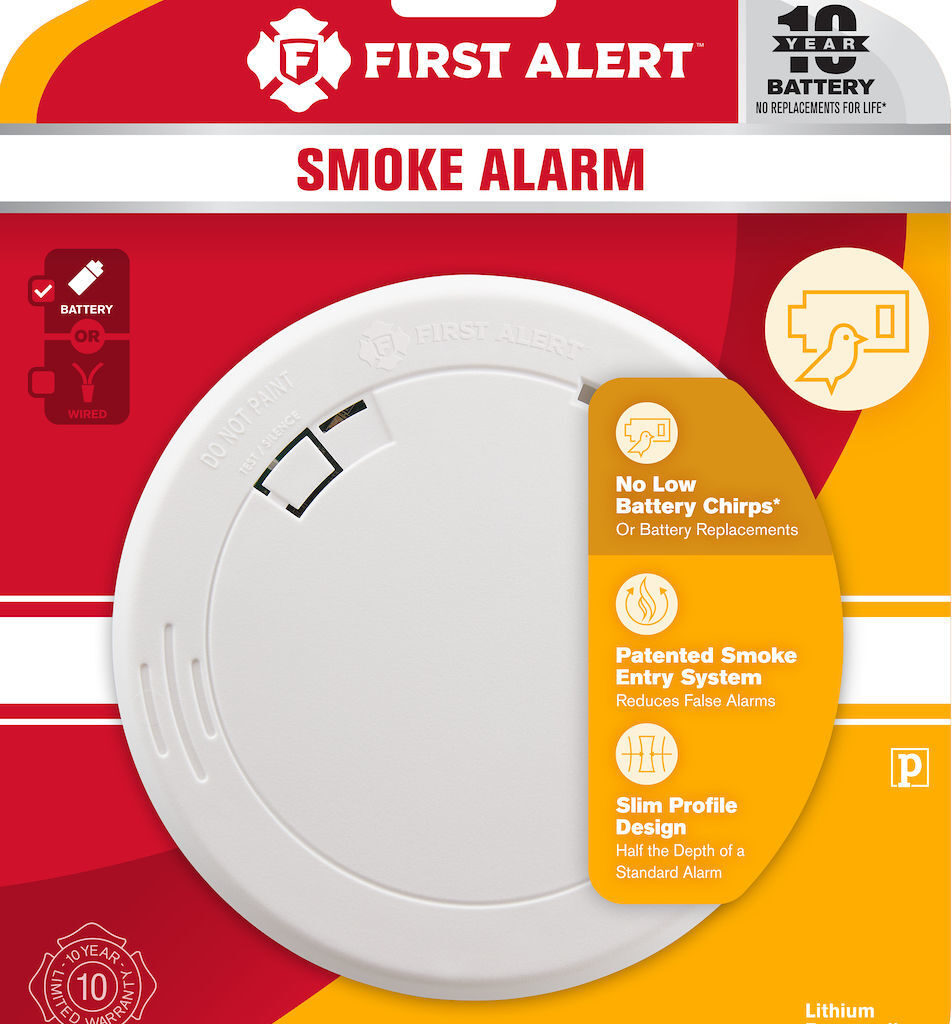
NEW YORK — With daylight saving time ending and clocks set to “fall back” an hour on Sunday, Nov. 2, the Firefighters Association of the State of New York (FASNY) is calling on all New York households to use this semi-annual ritual as a reminder to inspect smoke alarms and carbon monoxide (CO) detectors.
According to a press release from FASNY, the winter months bring elevated fire risk, and a working detector remains one of the most effective protective devices in the home.
Homes equipped with properly functioning smoke alarms face a significantly lower risk of death from fire. According to the National Fire Prevention Association (NFPA), having a working smoke alarm can reduce the risk of dying in a reported home fire by over 60%. Unfortunately, New York has ranked among the states with the highest number of home fire deaths in recent years.
As temperatures drop, the risk of residential fires increases due to heating equipment, portable space heaters, cooking, smoking, unattended candles, holiday decorations, and winter storms. FASNY urges all New Yorkers to stay vigilant, follow proven fire-safety practices, and take preventive steps to keep their families and homes safe this fall and winter.
“As families come together to celebrate the holidays, safety should be at the top of the list,” FASNY President Gene Perry said in the release. “Home fires increase during the colder months, but a simple safety check can save lives. Test your alarms, replace old batteries, and make sure you have protection on every level of your home. A few minutes of prevention can protect your family for years to come.”
Working smoke alarms provide the crucial early warning needed to escape safely during a home fire.
Equally important are carbon monoxide detectors, which can alert families to the presence of this invisible, odorless, and potentially deadly gas. As temperatures drop and heating systems begin to run for the first time this season, FASNY urges all New Yorkers to perform a home safety check to confirm that every carbon monoxide detector is properly installed and functioning.
Using a few minutes out of your time to test all the smoke alarms and carbon monoxide detectors can dramatically improve a household’s safety. Your investment in replacing batteries and taking a few minutes out of the day is small compared to the potential cost of a fire emergency.
Safety Tips Provided By FASNY & the National Fire Protection Association (NFPA):
• Install smoke alarms in every bedroom. They should also be outside each sleeping area and on every level of the home. Install alarms in the basement.
• Large homes may need extra smoke alarms.
• It is best to use interconnected smoke alarms. When one smoke alarm sounds, they all sound.
• Test all smoke alarms at least once a month. Press the test button to be sure the alarm is working.
• Current alarms on the market employ different types of technology including multi-sensing, which could include smoke and carbon monoxide combined.
• Today’s smoke alarms will be more technologically advanced to respond to a multitude of fire conditions, yet mitigate false alarms.
• A smoke alarm should be on the ceiling or high on a wall. Keep smoke alarms away from the kitchen to reduce false alarms. They should be at least 10 feet (3 meters) from the stove.
• People who are hard-of-hearing or deaf can use special alarms. These alarms have strobe lights and bed shakers.
• Be especially cautious with portable heaters, decorating lights and open flames during the cooler months.
• Replace all smoke alarms when they are 10 years old.