
This winter in New York City was brutal: We saw two major snowstorms, over 40 inches of snow in Central Park, and temperatures consistently below 20 degrees for over two weeks.
I am the CEO of NYC School Bus Umbrella Services, a company operating over 800 routes and moving 11,000 students around the city every day. Through this winter our drivers were extra careful, our dispatchers helped parents navigate delays caused by snowy streets, our maintenance crews kept the yards open. And our electric school buses operated every day. Since Dec. 1, our electric school buses have traveled over 28,000 miles.
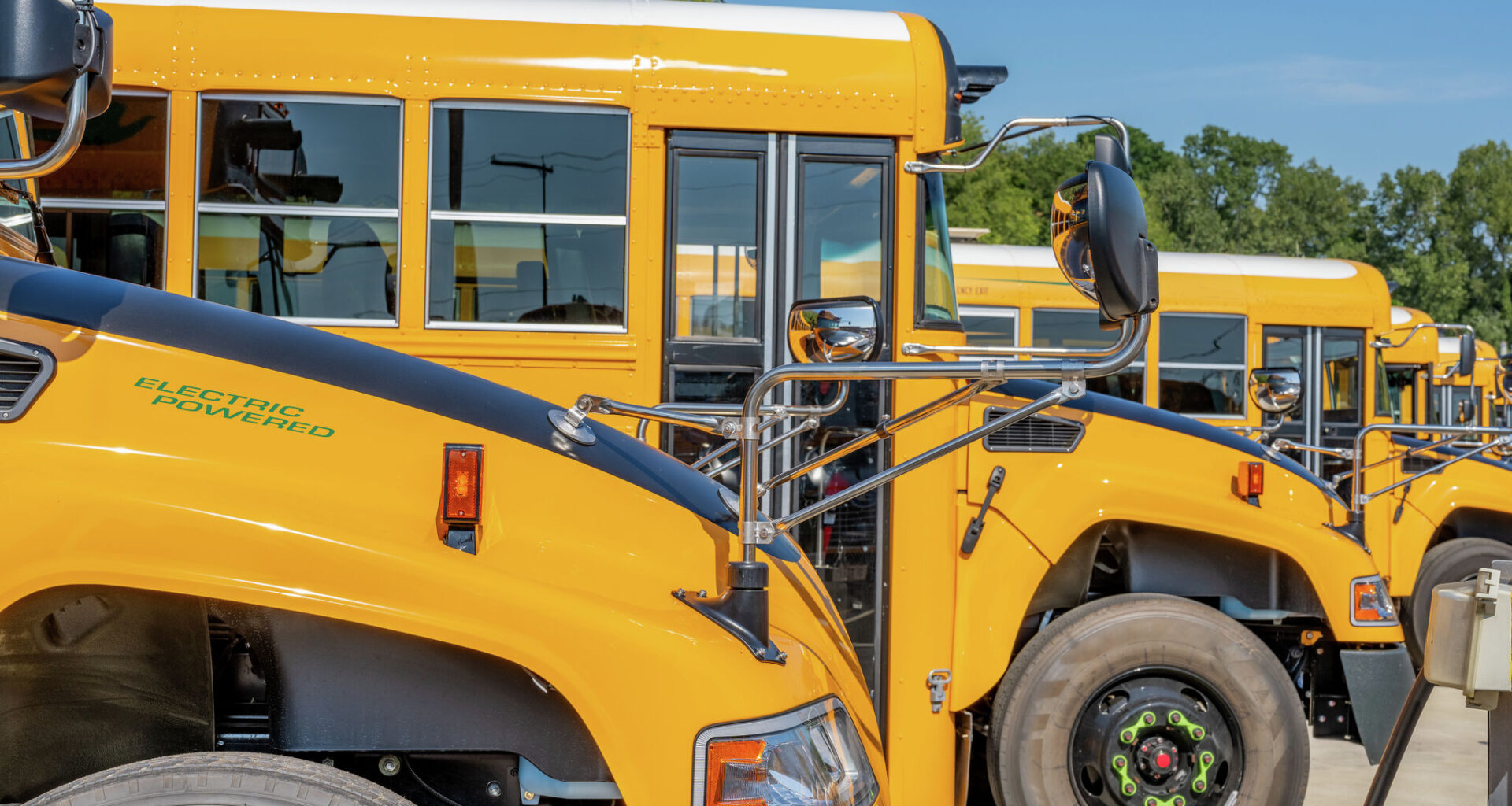
There’s been a lot of discussion about the move to electric school buses in New York. After this winter, I can say the technology is ready. As operators transporting kids with young lungs, as folks who run our engines near schools and playgrounds, we’ve got to do what we can to provide cleaner air and quieter rides for the precious cargo we transport.
Besides supporting kids, the buses have also saved us money. With their heat blasting this winter it took about 1.77 kWh of power to move the bus 1 mile with a full load of kids. At 18¢ per kWh, that costs us about 32¢ per mile.
Our internal combustion fleet costs more than a third more. Our gas buses average 9 miles per gallon. At current gas prices of $4 per gallon, we are spending 44¢ per mile when we burn those fuels; internal combustion is now 38% more expensive than electric.
Besides the savings on fuel, we’ve spent nothing on oil changes or filter replacements. With fewer moving parts and fluids, it’s likely that we are seeing the future: Engines designed in the 21st century have significantly lower maintenance costs than those designed half a century ago.
The buses are not without challenges. They cost a lot more to purchase; we are fortunate to have received grants to help defray those costs. Integration between our buses and chargers wasn’t seamless, but we’ve learned to try before you buy and we’ve seen newer buses and chargers do a better job of working together. Bus range was an issue at first, but our new deliveries this winter feature 156 kWh batteries, nearly double the range of the buses we got in 2022.
And like any new technology, we’ve seen early-stage issues like door mechanisms, heating systems and other components that weren’t fully developed or tested. These aren’t issues with the battery or high-voltage systems that power over 57 million vehicles worldwide. Rather, they seem to be normal product issues that are addressed as manufacturers improve a vehicle. And those manufacturers, some right here in the state, have honored their warranties and worked with us to solve any problems.
Our drivers, attendants and the families we serve notice the difference. The buses are quiet and clean — they don’t smell like diesel, and they reduce exposure to pollution both inside the cabin and at school drop-offs.
People in every profession like to think of themselves as heroes. We transport 11,000 kids each day in a 400-square-mile city with some of the nation’s worst traffic. Our depots open at 4 a.m. and close at 8 p.m., and when there is an emergency in the city, our buses are there. We take families to shelters, support kids when schools close early, and provide backup warming sites in the cold. We’ve seen the rising asthma rates among our riders and families, more severe storms, and the fragility of relying on petroleum in an unstable world. We’re happy to be heroes by pushing forward for change not just for the people with whom we work and the kids we transport but for our city and our country, too.
So whether you’re running a large fleet or just getting started, my advice is simple: Try it. Get a few buses on the road, learn what works and build from there. That’s how we did it — and after this winter, I can tell you it works.
Matt Berlin is the CEO of NYC School Bus Umbrella Services (NYCSBUS).