
STATEN ISLAND, N.Y. — As New York heads into peak foliage season, the crisp autumn air carries a signature scent — the unmistakable stink of the ginkgo. That pungent perfume is Mother Nature’s peculiar way of signaling that the tree’s iconic fan-shaped leaves are just days away from turning a brilliant, electric yellow.
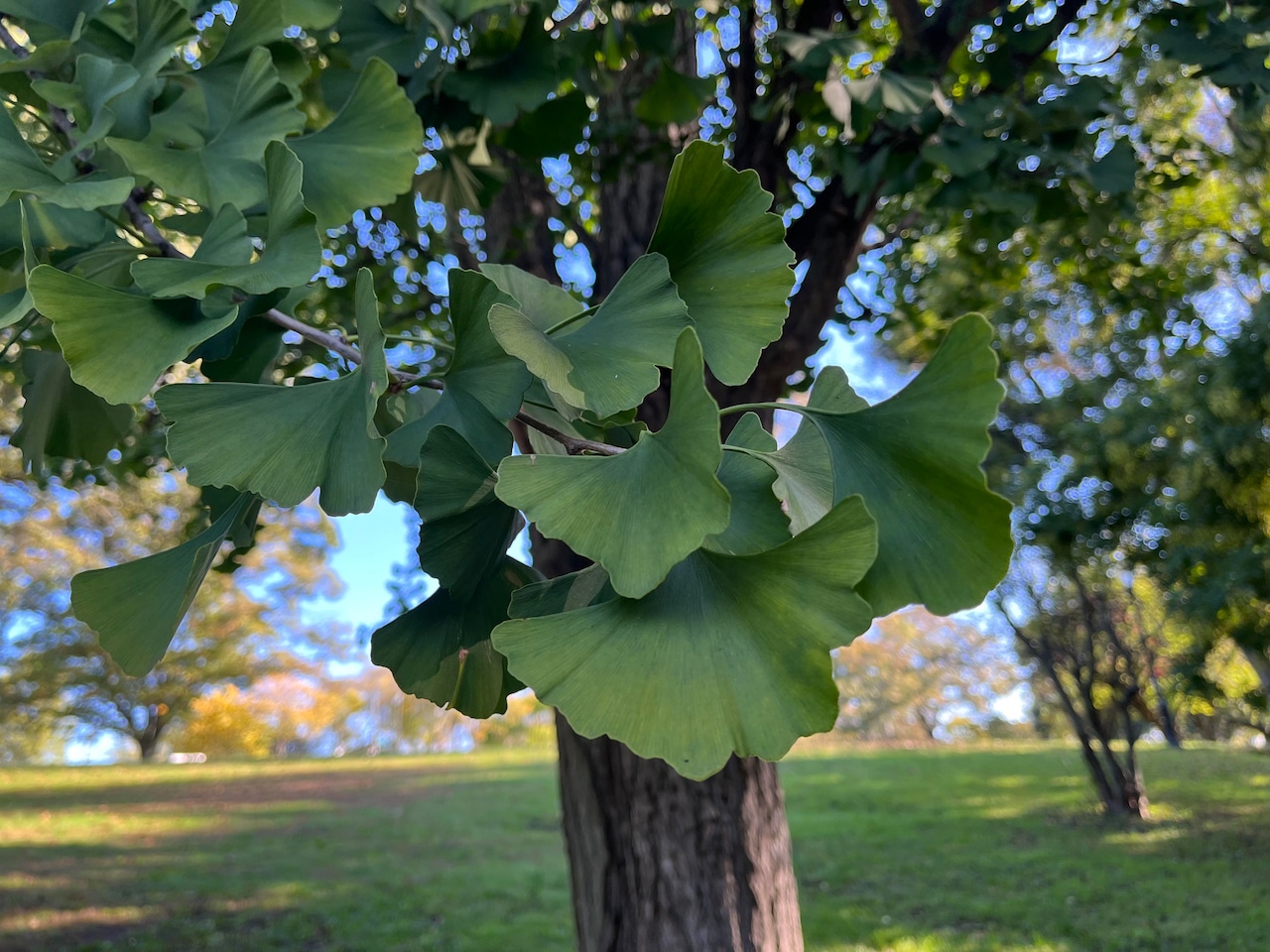 The 200-million-year-old species is recognizable by fan-shaped leaves.Ginkgo trees in autumn
Throughout October, ginkgo trees flaunt their unique, fan-like leaves, which begin to curl and shimmer in the breeze like brass tambourine jingles. These trees are especially striking in places like Silver Lake Park in West Brighton, Arbutus Woods Park in Huguenot and in Tottenville notably around the South Shore Babe Ruth baseball complex. Their golden foliage creates a dazzling contrast against the deep greens and browns of the season.
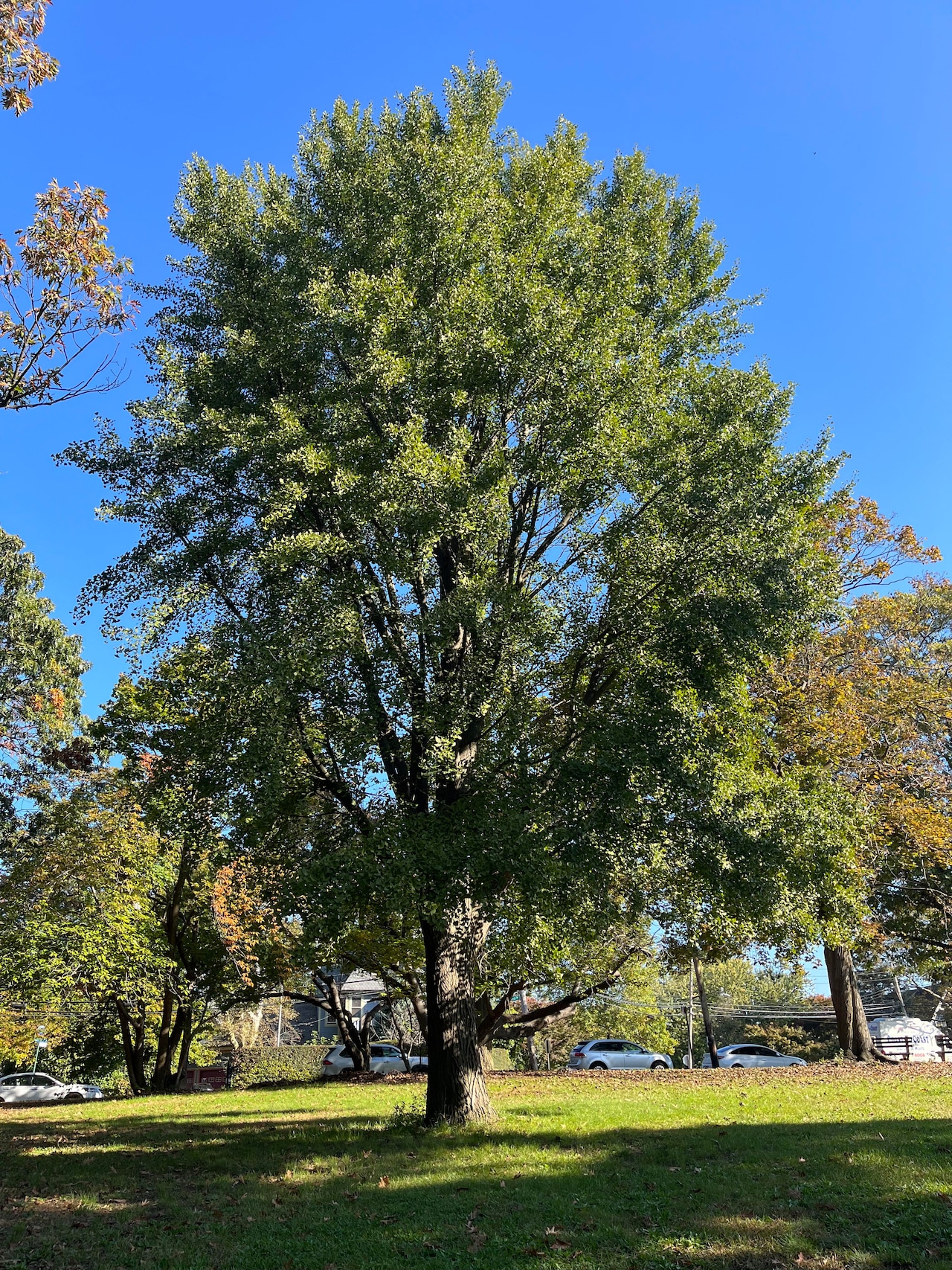 Eventually, these leaves will turn a vibrant yellow and drop simultaneously.
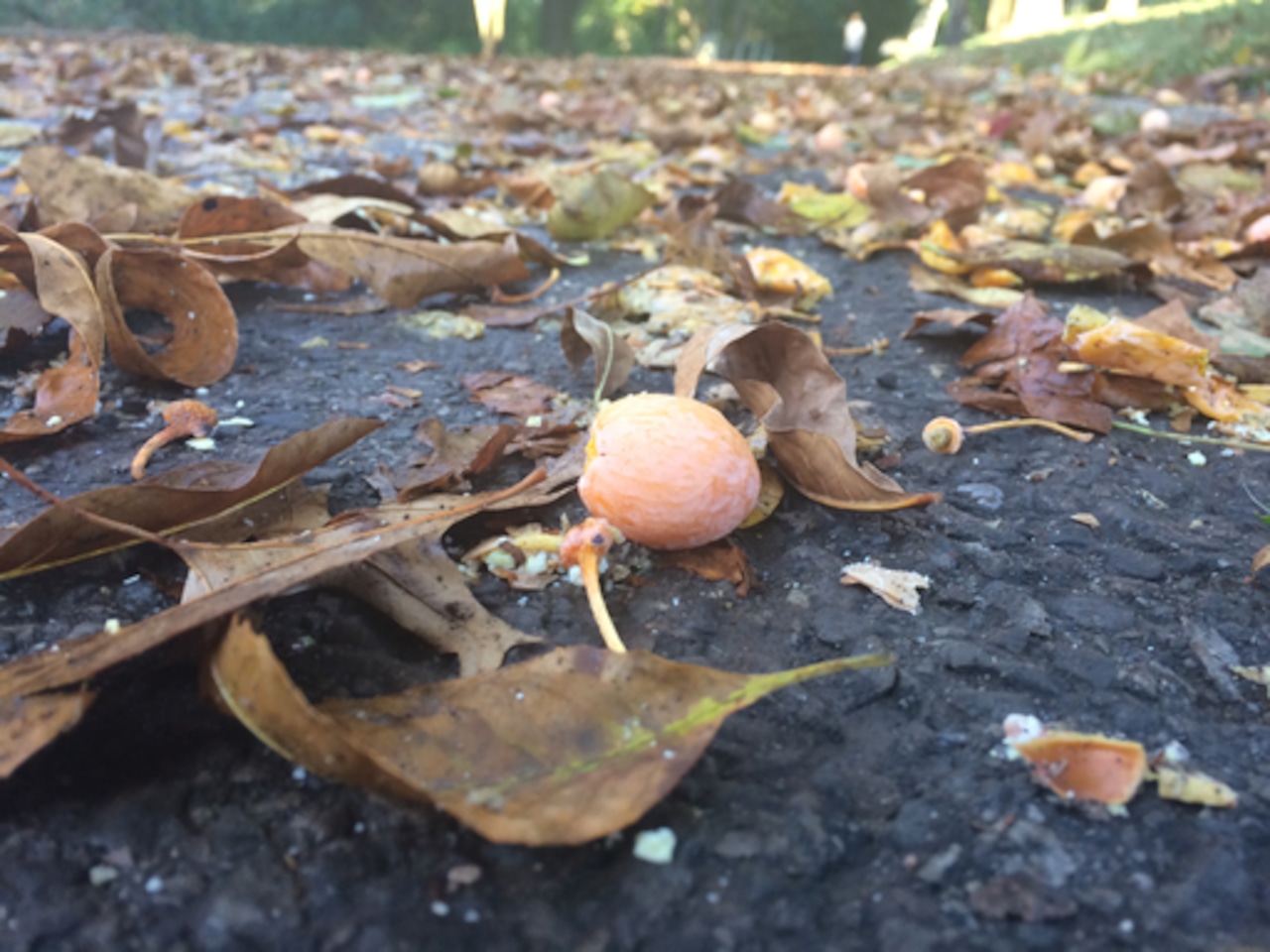
But beauty comes with a price. Starting in early October, female ginkgo trees drop grape-like clusters of fruit that emit a notoriously foul odor when crushed — a scent unleashed by stroller wheels, joggers, and unsuspecting pedestrians. The smell can linger for blocks, hitching a ride on bike tires and sneaker soles.
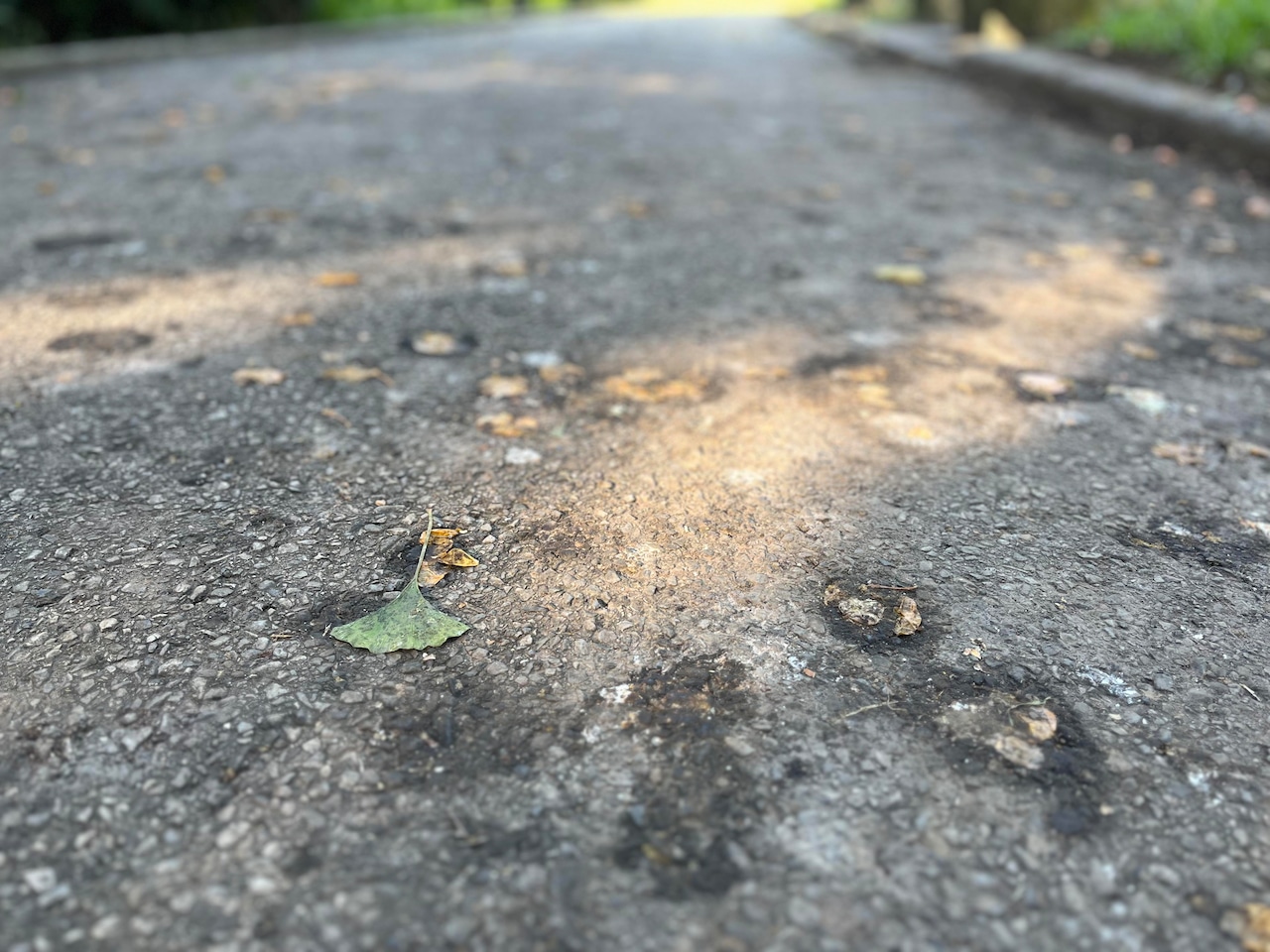 The female trees are the ones providing the fruits with the foul odors.
A reader from Seneca County once pointed out, “The stinky fruit is only on the female trees. Ginkgos are dioecious — a single tree can be male or female. That’s why most landscapers recommend planting only male trees.”
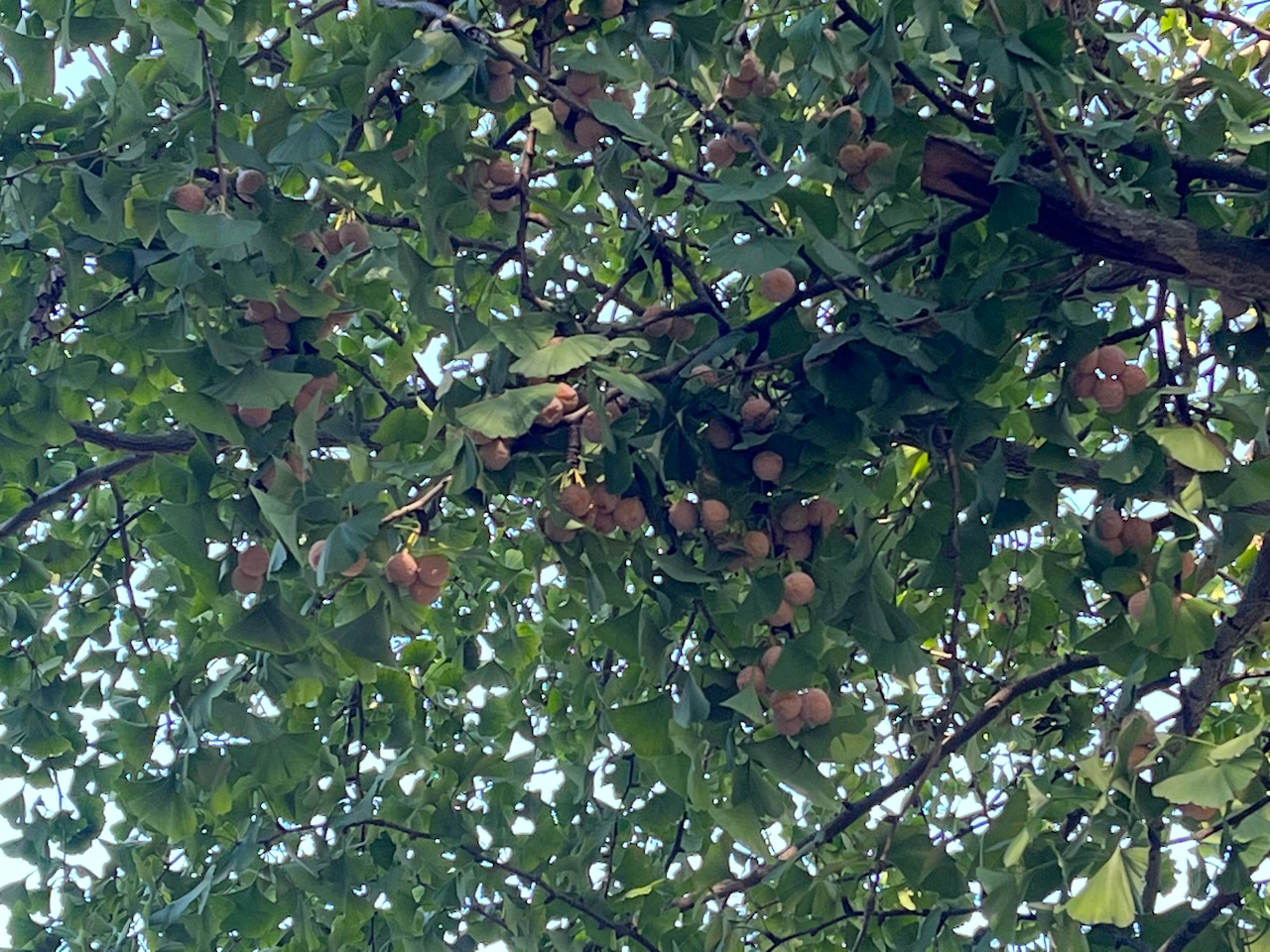
The dioecious trees create a striking contrast in parks, with only females producing the malodorous fruit that signals their impending golden transformation.Spotting a ginkgo
Ginkgo trees are easy to identify. Their leaves resemble tiny fans, and their bark is deeply grooved and gnarled, becoming more textured with age. As October progresses, the leaves’ edges begin to curl, and by November 1, they typically shift to a vivid yellow. Within days — often by November 10 — the leaves drop all at once, carpeting sidewalks and parks in golden confetti.
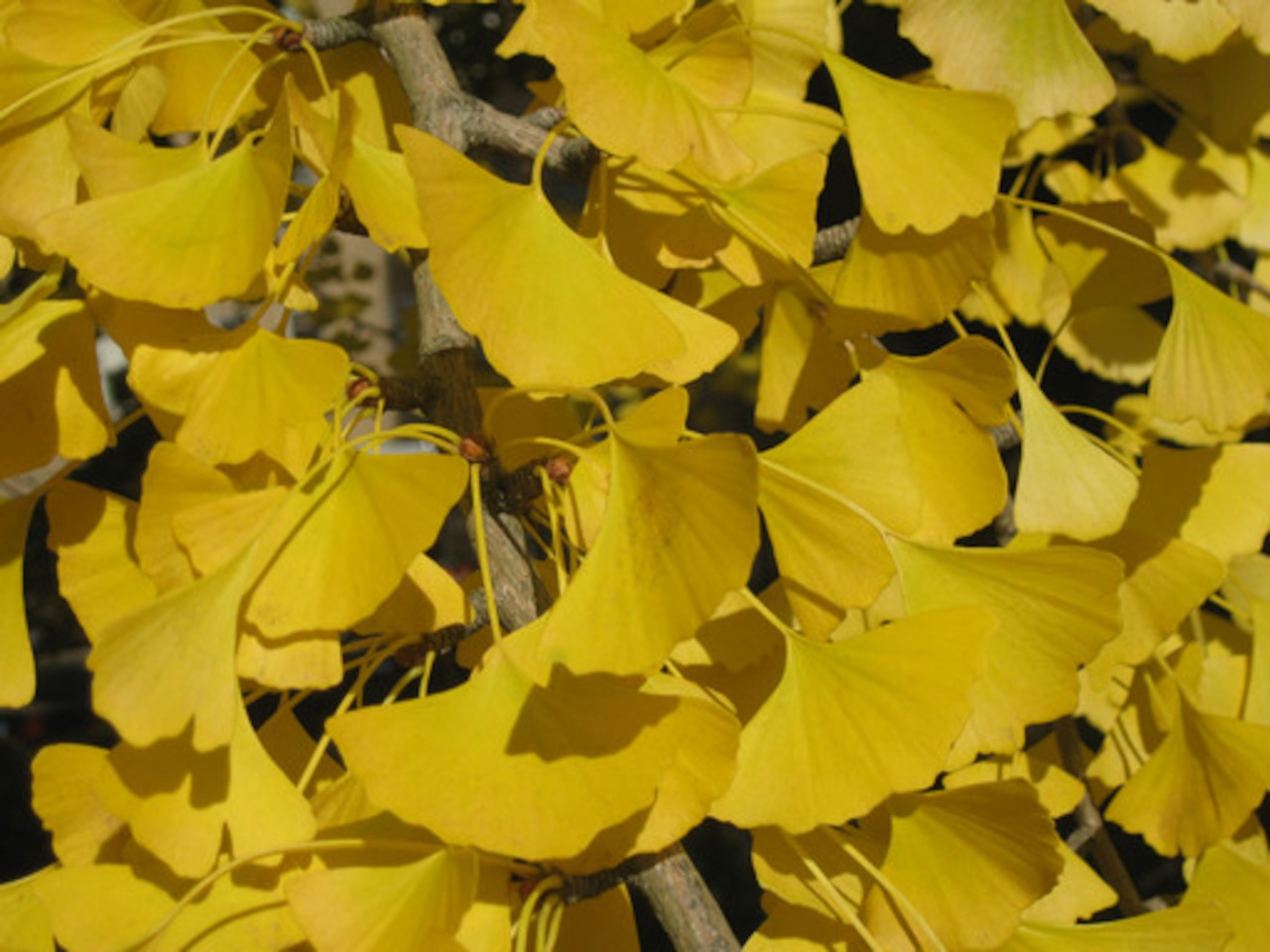 The fan-shaped leaves of the Gingko tree remain bright yellow through October. They are stunning sights.Can you eat a ginkgo nut?
Yes, you can eat the ginkgo — but with caution. It’s a process. Brooklyn chef Mario DiBiase still treats ginkgo nuts like acorns (edible, also, but after continual leaching.) He brews them into a tea. The process is indeed not for the faint of heart. The fruit’s flesh is toxic and must be carefully removed, usually by foragers wearing double gloves and using layered plastic bags to collect fallen nuts from city sidewalks (picking directly from trees in Parks is illegal).
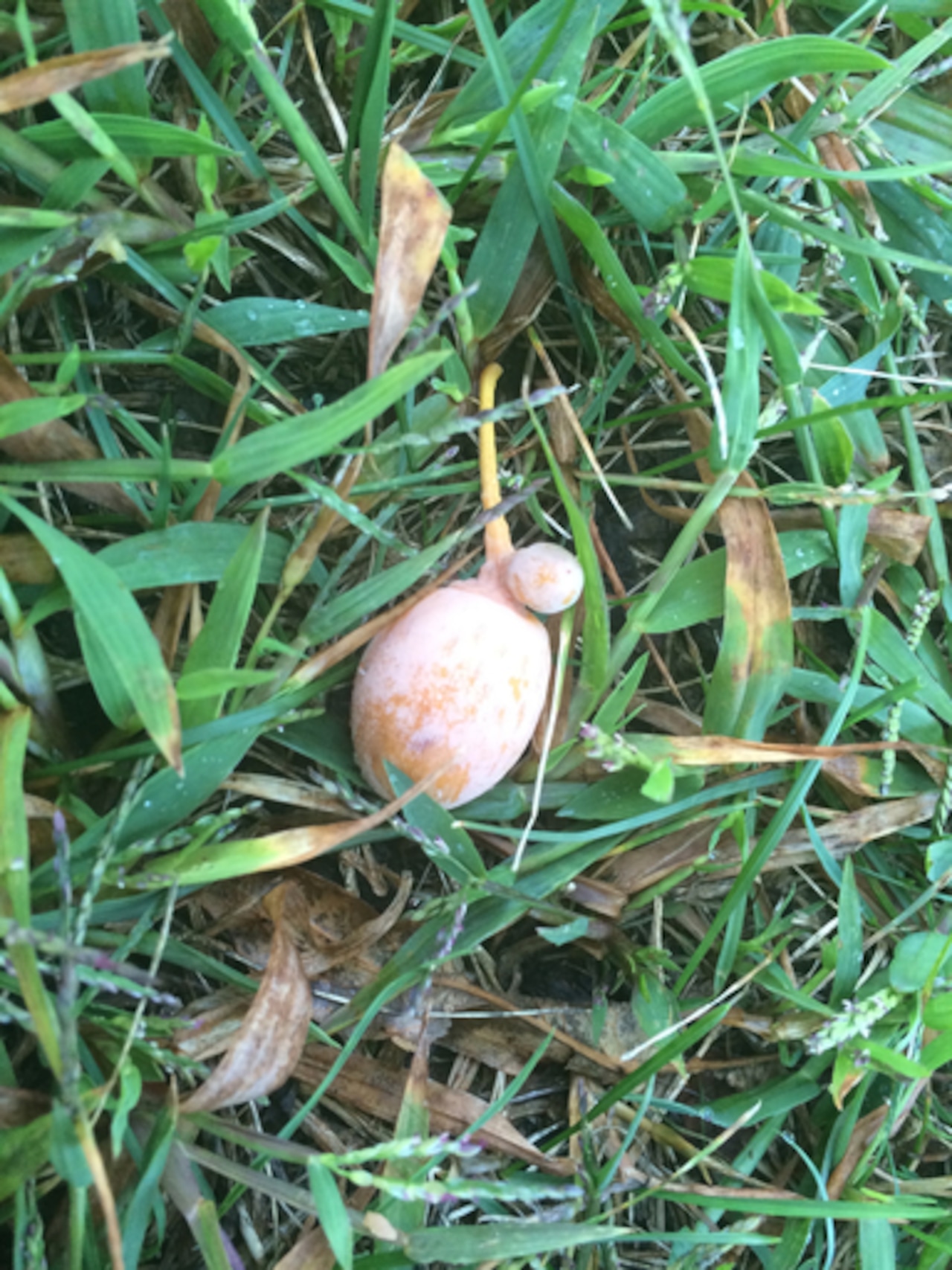 The gingko fruit, as it lands on the ground. They must be handled with gloves as the skin it toxic.Staff-Shot
After thorough boiling, the inner pit can be roasted until it turns a neon green. The nut inside — cracked open like a pistachio — is edible, though it’s an acquired taste. Some believe it supports memory, but it should be consumed sparingly, especially by pregnant individuals.
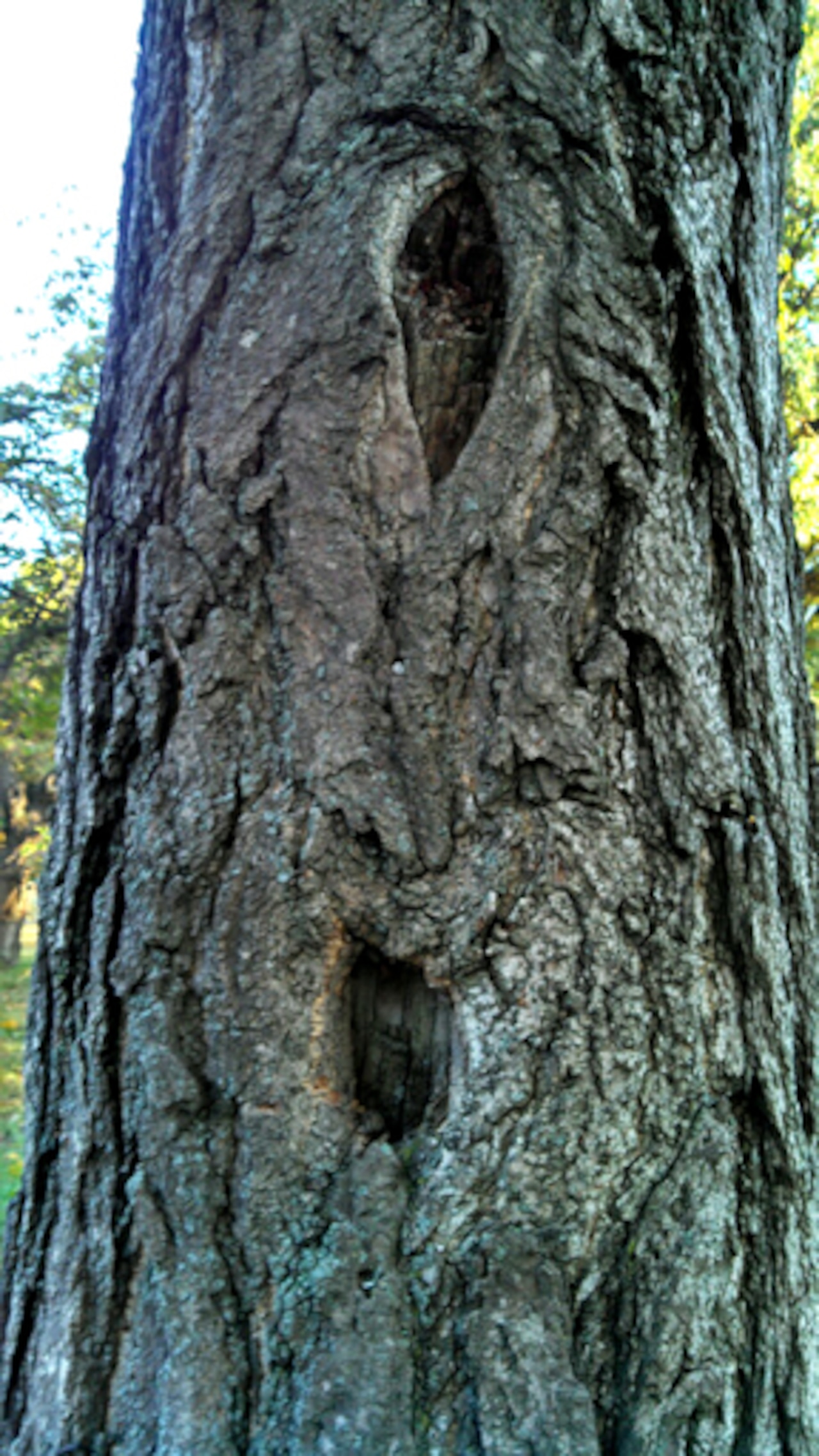 Check out the bark on a ginkgo — it’s distinctive and makes the tree easy to spot year round. The upshot
Despite its stink, the ginkgo remains a beloved symbol of fall on Staten Island. Its golden leaves and ancient lineage — dating back over 200 million years — remind us that nature’s quirks are part of its charm. And as the leaves fall and clocks prepare to roll back, the ginkgo’s brief, brilliant show marks the transition to winter.
If you purchase a product or register for an account through a link on our site, we may receive compensation. By using this site, you consent to our User Agreement and agree that your clicks, interactions, and personal information may be collected, recorded, and/or stored by us and social media and other third-party partners in accordance with our Privacy Policy.