
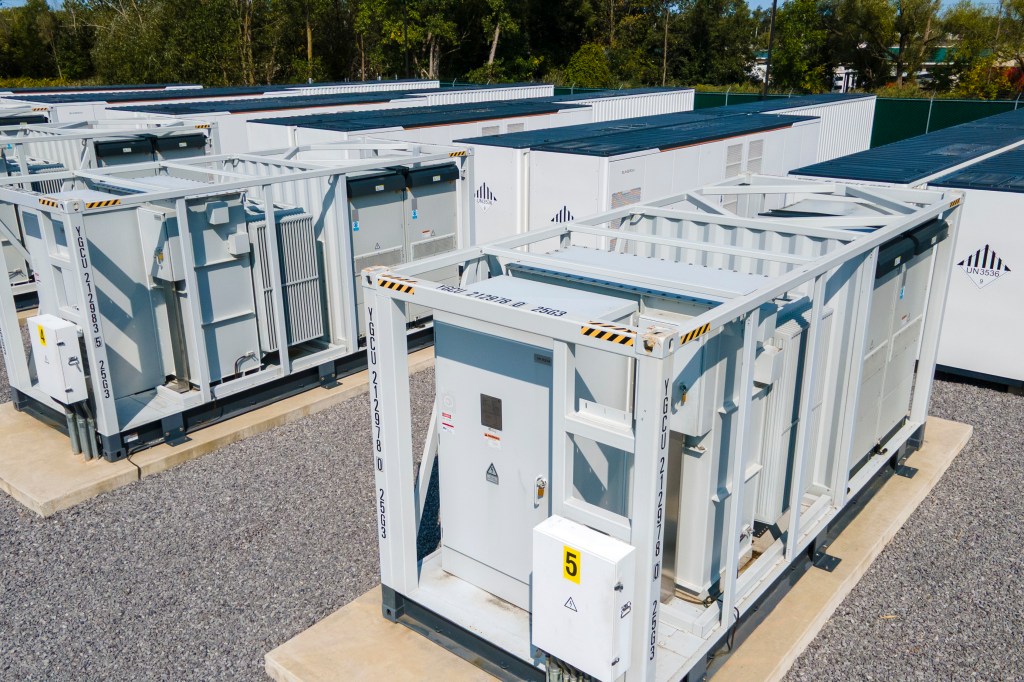
I ran the FDNY for six years, and before that I spent 26 years in the firehouse. In that line of work, you learn to evaluate risk honestly. You look at the data, you talk to the people who handle the equipment, and you make a call. When people ask me whether battery energy storage systems belong in New York neighborhoods, that is the standard I apply.
My answer is yes. The FDNY leaders, fire engineers, and emergency management officials who reviewed this technology, walked the facilities, and helped write the state code reached the same conclusion. Battery storage built under New York’s current rules is safe.
Communities across New York are weighing moratoriums, and the questions people are raising are fair ones. Anyone would want to know what happens if something goes wrong near their home.
New York City has deployed battery storage safely across all five boroughs, with no fires at any of these facilities. Statewide, there have been three incidents total. All were contained and put out without injury or lasting damage. Nationally, the incident rate has dropped 98% since 2018, even as deployment grew dramatically. The technology got safer as it scaled up. That is what the numbers show.
This past summer, New York wrote the protocols that proved effective in the city into state law. The updated fire code requires independent engineering review before a facility can be built, continuous monitoring of fire detection equipment, and compliance with or exceedance of national fire protection standards. These are enforceable requirements, and every developer and every project in New York has to comply.
The cost of not moving forward matters too. Electric bills are climbing across New York, our power grid is aging, and energy demand keeps growing. The system is under strain from the Capital Region down through the city and out to Long Island. Battery storage helps on both fronts. These systems charge when electricity is cheap and feed power back during peak hours, which cuts reliance on the most expensive generation and keeps prices more stable. That is money back in ratepayers’ pockets, whether they live in Buffalo, Brookhaven, or the Bronx.
Delaying deployment through moratoriums means delaying those savings. It also means falling behind on the grid reliability improvements downstate New York needs as energy demand grows. The Long Island Association recognized this when it named battery storage one of its top five policy priorities for 2026, citing the tie between energy storage and affordability, reliability, and regional economic competitiveness.
I understand the instinct to pump the brakes on something unfamiliar. But I’d ask anyone weighing this issue to consider the infrastructure we already live with and rarely think twice about. Gas stations on busy corners hold thousands of gallons of fuel. Electrical substations handle enormous voltage in residential neighborhoods. High-voltage lines run over backyards. We manage those risks through regulation, training, and oversight. Battery storage works within that same framework, and New York’s rules are among the strictest in the country.
I would not put my name on a technology I did not trust. I spent my career protecting New Yorkers, and I take that as seriously now as I did on the job. Battery storage, built to New York’s standards, is safe. Families across this state deserve a reliable grid and they deserve to feel safe in their neighborhoods. The codes we have on the books now make both possible.
Von Essen served as FDNY commissioner from 1996 to 2002. He later served as a regional administrator at FEMA through the COVID-19 pandemic response.