
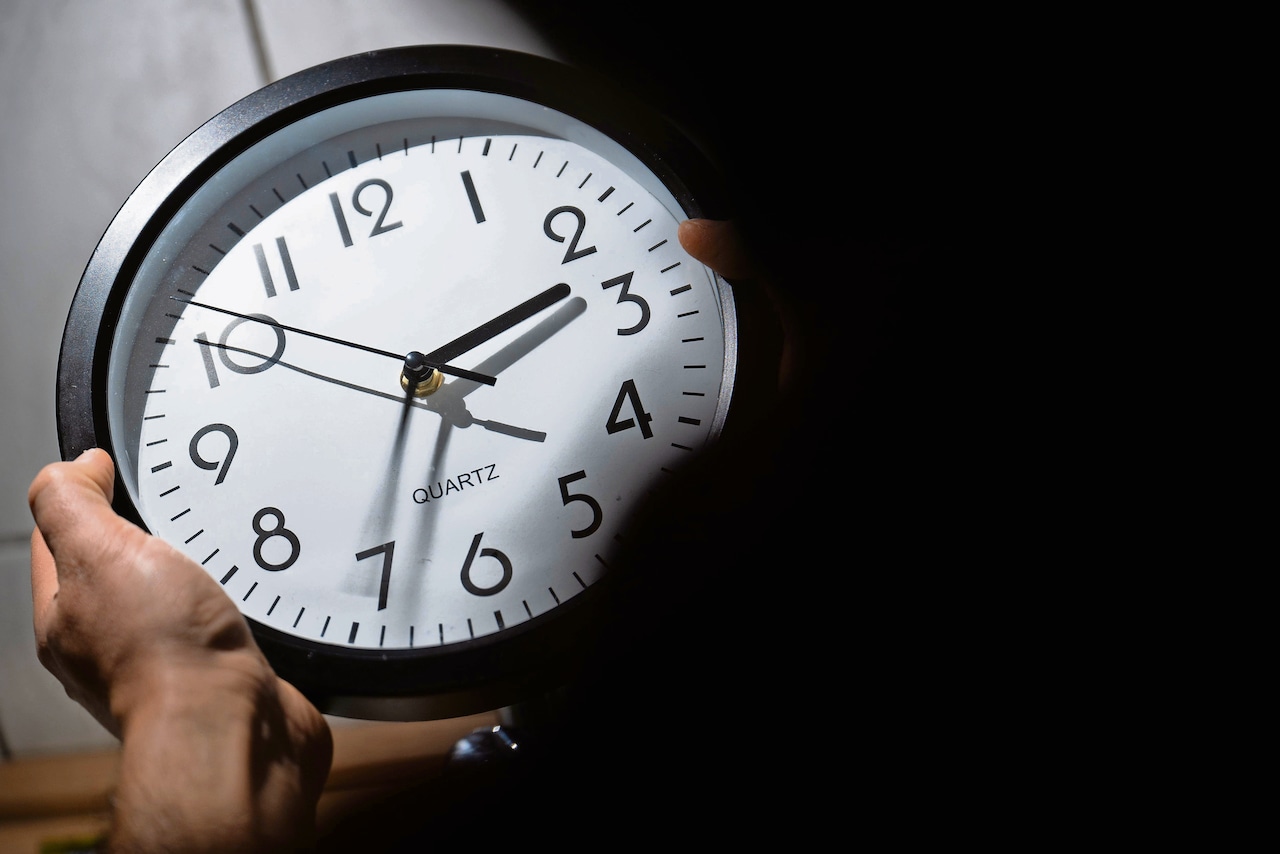
Daylight Saving Time ends early in 2025, and here’s what you need to know.
This year, the shift comes a day earlier than last year. On Sunday, Nov. 2, clocks will “fall back” one hour from 2 a.m. to 1 a.m., marking the official end of Daylight Saving Time, according to TimeAndDate.com.
The shift means brighter mornings and earlier sunsets, and it is a sign that winter is on its way.
Even though gaining an hour of sleep sounds great, the time shift can still disrupt your body’s natural rhythm. Here are a few ways to adjust smoothly, according to TimeAndDate.com:
Adjust your sleep gradually. A couple of days before the change, start waking up 10–15 minutes earlier to help your body adapt.Get some morning light. Step outside early to reset your body clock naturally.Limit caffeine. Avoid coffee and energy drinks later in the day to protect your sleep quality.Stick to your routine. Try to keep regular sleep and meal times, even on weekends.Plan for extra rest. Give yourself a few days to adjust and avoid overloading your schedule.
So, as the days grow shorter and the air turns crisp, don’t forget to set your clocks back on Nov. 2 and take advantage of that well-deserved extra hour of rest.
If you purchase a product or register for an account through a link on our site, we may receive compensation. By using this site, you consent to our User Agreement and agree that your clicks, interactions, and personal information may be collected, recorded, and/or stored by us and social media and other third-party partners in accordance with our Privacy Policy.