
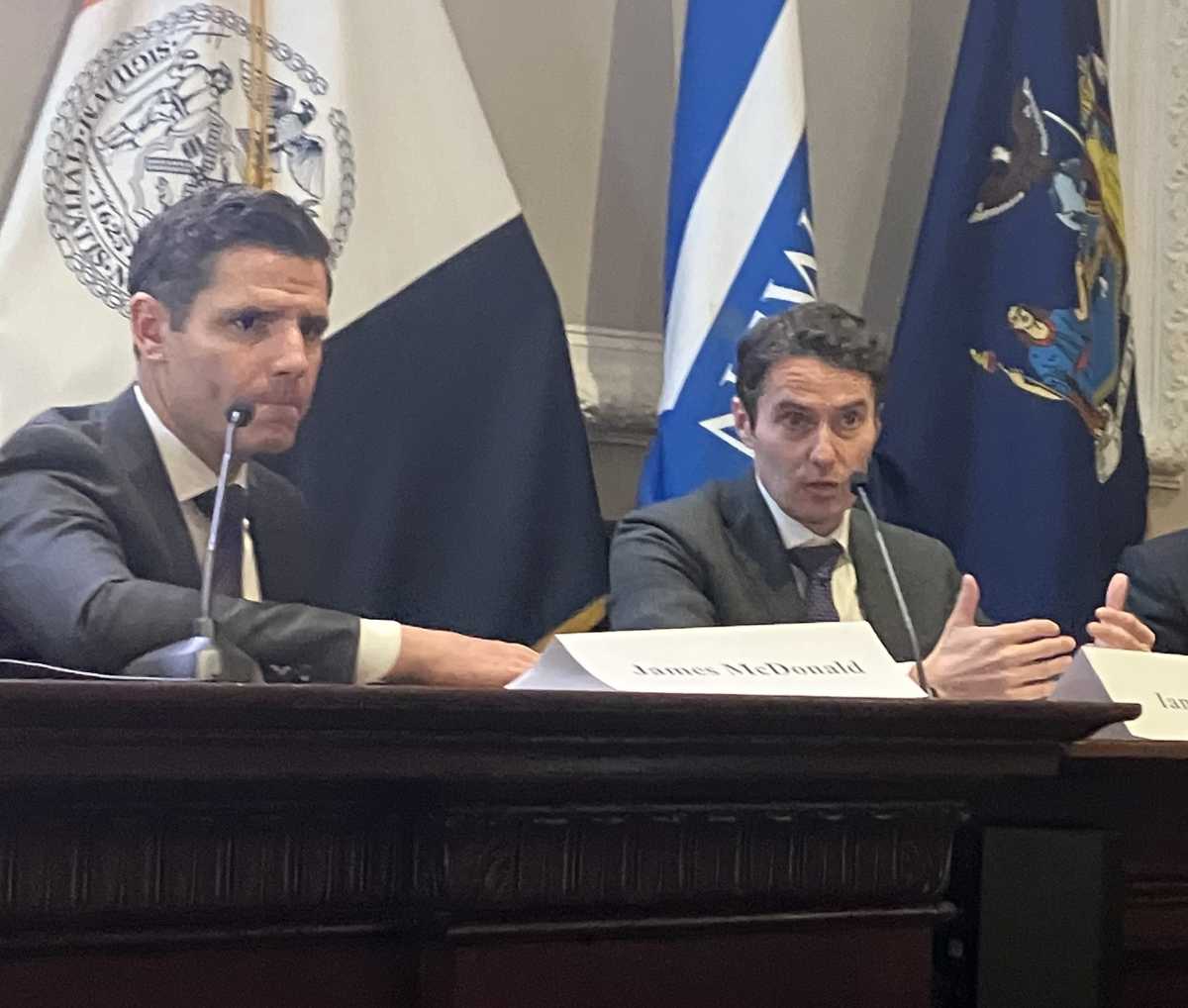
That left a number of former federal attorneys to headline the event and outline changing priorities and staffing at the agency in charge of regulating the nation’s derivatives market.
The attorneys previously served as enforcement directors with the Commodity Futures Trading Commission (CFTC), and they issued a stark warning: Because the derivatives market regulatory agency’s staff has been significantly cut under President Trump, companies facing certain investigations may face a less strict hand, especially if they choose to self-report a problem.
“You know that personnel is limited,” said former CFTC enforcement director Ian McGinley. “I think that is good data to have when you’re advising clients on whether to self-report. For violations that are not really heartland priorities, it actually weighs in favor of going to [the government] on it.”
McGinley said the agency’s “heartland priorities” seemed most focused on fraud, manipulation and insider trading cases, and less on more technical, “registration” cases, like those related to data reporting. It’s those on cases, he said, that lawyers representing large companies may want to take into consideration that the agency is less focused on them than it was before.
Since there are fewer enforcement attorneys working there now, he suggested that could impact their strategy when addressing issues.
“Obviously, it’s going to depend on a particular case,” McGinley said. “But that’s not kind of what the kind of case they want to bring, and if you have clients that want to put matters behind them, right, it is a pretty good time for that [self-reporting].”
A hot-button issue for the agency now is the legal battle playing out over whether prediction markets are gambling platforms operating illegally without state gaming licenses, or a form of derivative market that should be overseen by the CFTC, and therefore allowed to operate without state gaming licenses.
Former CFTC officials said that the fact that high courts across the country seem split on the issue indicates the Supreme Court is likely to take it up in the near future.
Those attorneys were supposed to be joined by a handful of active high-profile federal prosecutors and officials throughout the event. However, all government officials withdrew from the event in the days leading up to it, the City Bar confirmed to amNewYork on Wednesday.
In early May, The New York Times reported the Criminal Division Chiefs of both the Manhattan and Brooklyn U.S. attorney’s offices, Amanda Houle and Alixandra Smith, quietly pulled out, as well as David Miller, the director of enforcement at the Commodity Futures Trading Commission, and Samuel Waldron, the acting director of the Securities and Exchange Commission’s enforcement division.
City officials, like Department of Consumer and Worker Protection Chair Sam Levine, also withdrew from the event. The City Bar hasn’t commented on officials pulling their name from the lineup, and the officials didn’t provide a reason for skipping the panels.
Tensions between bar associations and the Trump administration have steadily grown throughout the president’s second term.
Most recently, bar associations and law firms across the country issued overwhelming opposition to a proposed Justice Department rule that would strip state bar associations of their ability to discipline federal attorneys and the New York City Bar condemned the DOJ’s second indictment of former FBI director James Comey.