
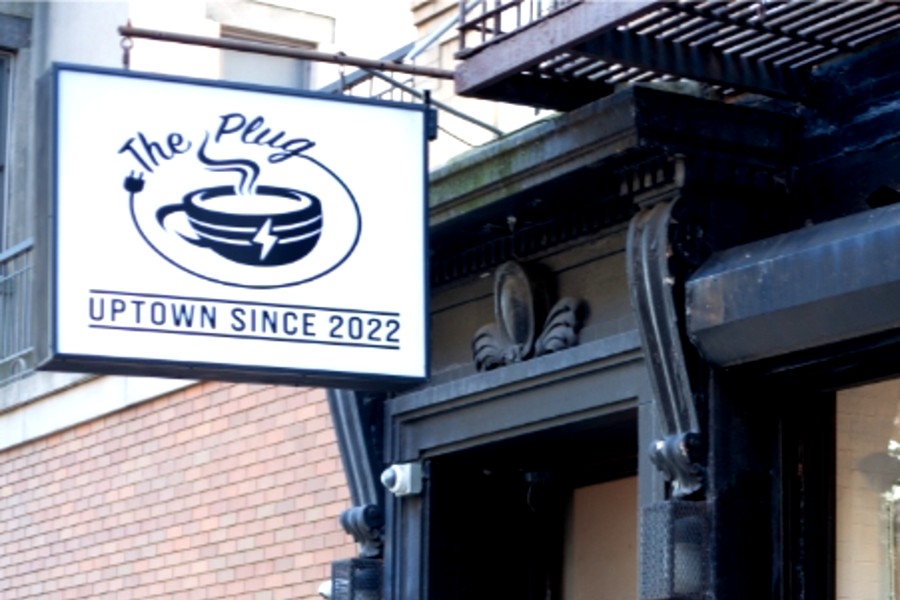
By Benjamin Stovall, Owner of The Plug Café
When we opened The Plug Café in Manhattan, our mission was about more than serving coffee and food.
We wanted to create a neighborhood space where people could gather, build relationships, and feel connected to their community.
Never miss new stories in Harlem
Every day, we watch that vision come to life. Customers stop in before work, students spend hours studying, creatives hold meetings, and neighbors come together over coffee and conversation. For small businesses like ours, creating that sense of community matters just as much as the products we serve.
But operating a neighborhood café in New York City comes with constant challenges. Small business owners are already navigating rising rent, higher supply costs, increased labor expenses, and inflation while trying to keep prices affordable for customers. That is why I am concerned about the Packaging Reduction and Recycling Infrastructure Act currently being debated in Albany.
I support the goal of reducing waste and protecting our environment. Small business owners care deeply about the communities we serve, and we all want cleaner neighborhoods and a more sustainable future. However, this legislation, in its current form, could place a significant burden on independent businesses like mine.


Packaging is an essential part of daily café operations. Coffee cups, lids, food containers, utensils, and takeout packaging are necessary to serve customers safely and efficiently. The broad requirements proposed in this bill would likely drive up costs across the supply chain, and those increases would ultimately fall on small businesses.
Unlike major corporations and national chains, independent cafés do not have unlimited resources or large operational infrastructures. We work with limited storage space, tight budgets, and narrow profit margins. We cannot easily absorb continuous cost increases or rapidly adjust to complicated packaging requirements without serious impacts on our operations.
And those impacts would be very real.
When operating costs increase, small businesses are often forced to make difficult choices: raising menu prices, reducing staff hours, limiting services, or postponing growth. In communities where many residents are already struggling with the cost of living, even small price increases can make a difference.
The legislation also fails to fully recognize the realities facing neighborhood businesses. Large corporations may have compliance teams, warehouse capacity, and extensive supplier networks that allow them to adapt more easily to sweeping mandates. Small businesses simply do not have those same advantages. Policies that ignore these differences risk placing local entrepreneurs at an unfair disadvantage.
That matters greatly for Manhattan neighborhoods and communities across New York City.
Neighborhood cafés and small businesses are more than commercial spaces. They create jobs, support local economies, and provide gathering places that strengthen communities. Many are built by owners who have invested years of hard work, personal savings, and dedication into creating something meaningful for the neighborhoods they serve.
Public policy should help these businesses succeed, not create additional barriers that threaten their long term survival.
There are better ways to pursue environmental progress without placing undue pressure on neighborhood businesses. Lawmakers should focus on practical solutions that invest in recycling infrastructure, encourage innovation, and include direct input from small business owners who will be affected by these policies.
Sustainability efforts are strongest when the people impacted by legislation have a seat at the table.
At The Plug Café, we want to continue serving Manhattan for many years to come. We want to remain a welcoming space where community, culture, and connection thrive. But that becomes increasingly difficult when legislation creates new operational and financial burdens without fully considering the realities small businesses face every day.
Albany should work collaboratively with neighborhood businesses and reject the Packaging Reduction and Recycling Infrastructure Act in its current form. Manhattan’s small businesses deserve policies that support both environmental responsibility and economic sustainability.
Benjamin Stovall is co-owner of The Plug Café on 167th Street.
Latest Posts
Become a Harlem Insider!
From history to today’s headlines—everything Harlem, in your inbox.
By signing up, you’re agreeing to receive communications from Harlem World Magazine and our Privay Policy.