
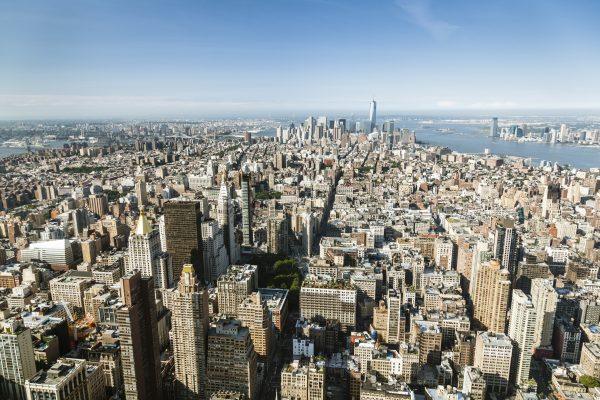
The iconic residential area of New York broke all previous financial barriers by registering an average rate that overwhelms the capabilities of the local working class.
A dramatic 25% contraction in the inventory of available apartments compared to the previous year consolidates the lowest vacancy rate the island has suffered in the last six years.
Amid the crisis, the city’s newly elected mayor declared municipal finances in a critical state and seeks to urgently intervene in land prices to prevent mass displacements.
The rising cost of urban living in the world’s major capitals reached a critical limit on the East Coast of the United States. Reports from leading real estate firms raised alarms over housing stability after Manhattan rents broke through the psychological and financial barrier of $5,000 a month for the first time in the city’s history.
Consolidated data corresponding to the end of April details a 6% increase on an annual comparison, setting the historic average benchmark price at $5,099 monthly, a scenario that suffocates the budget of New Yorkers.
Loading video…
Loading Video
A perfect storm: Aggressive demand and record-low supply
According to analyses presented by Gary Malin, chief operating officer of the prestigious real estate firm Corcoran, the phenomenon responds to a severe structural imbalance. Specifically, the availability of residential units in the district is simply unable to absorb the constant influx of new residents and the area’s robust corporate recovery.
The volume of active rental listings fell 6% compared to the month of March and plummeted an impressive 25% against the inventory recorded last year. With only 4,766 apartments offered across the entire island, the residential vacancy rate touched its lowest point in four years. Consequently, the pressure is felt most severely in the family segment, as two-bedroom apartments now average $5,228, while three-bedroom units have skyrocketed to $8,338 monthly.
The social impact on a city of renters
The vulnerability of New York’s population to market fluctuations remains immense, considering that barely 30% of inhabitants own their homes. The effect of Manhattan rents generated a ripple effect toward neighboring boroughs like Brooklyn, where activity has remained at saturation levels since 2021 and the average rental cost provided only a slight breathing room, sitting at $4,110 monthly.
This situation placed the cost of housing at the center of the agenda for the city’s new mayor, Zohran Mamdani. After declaring that the city faces a critical financial situation, the leader began articulating measures to intervene in prices.
As a first line of defense, the Rent Guidelines Board approved a preliminary range of increases for state-regulated apartments, proposing caps ranging from 0% to 2% for one-year leases. Meanwhile, tenant unions demand a total freeze ahead of public hearings that will conclude on June 25. Conversely, landlords claim that maintenance costs and taxes also stand at historic highs, leaving the future of the metropolis’s real estate market in tense expectation.