
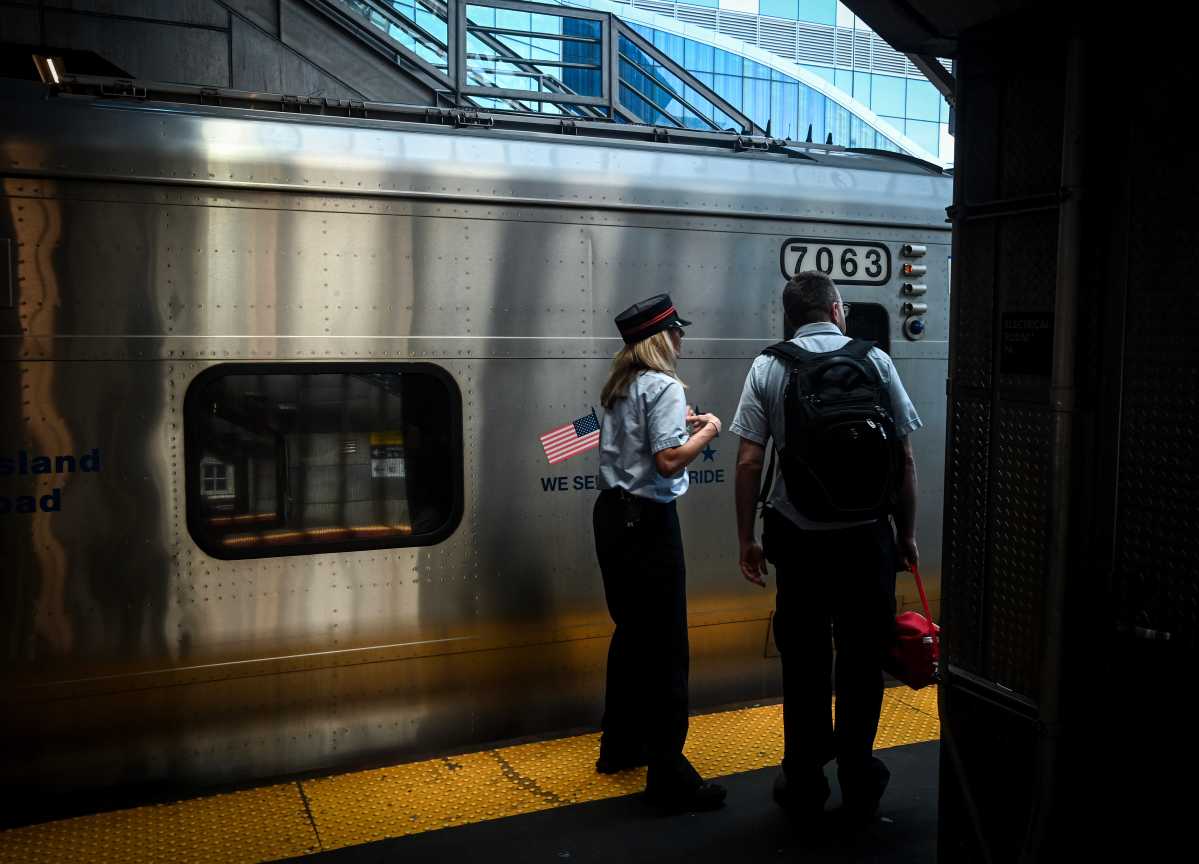
It was a brief yet fierce battle between the consortium seeking better wages for the workers, among the highest-paid transit employees in the nation, and a budget-conscious MTA looking to avoid passing on extra costs to commuters. While both sides claim victory in this battle, there were two clear losers in it: The local economy, and the commuter.
Three days without LIRR service cost the region an estimated $183 million in economic activity, according to estimates from state Comptroller Tom DiNapoli. Businesses lost customers, employers lost productivity from employees who had to deal with longer commutes, and commuters lost precious time during those commutes that could have been better spent doing just about anything else.
Thankfully, the strike was brief enough that the damage was limited, and recovery will happen quickly. But with this hurdle cleared, the MTA now faces an even bigger challenge ahead: Negotiating a new collective bargaining agreement with Transport Workers Union (TWU) Local 100, which represents tens of thousands of workers who keep the city’s subways and buses in motion every hour of every day.
The most recent CBA expired on May 16, the same day of the LIRR strike. The TWU has yet to announce any related actions, but the tension between the union and management has been growing in recent months.
Unlike the LIRR unions, it’s not as easy for the TWU to potentially declare a strike. The state’s Taylor Law prohibits such job actions for subway and bus workers, who are considered essential. The last time the TWU went on strike was in December 2005; it lasted roughly 2 days, but the union was fined $10 million.
No one can afford a transit strike in New York — not the union, not the MTA, not the mayor or governor, and most importantly, not the commuters and the local economy.
And no one can afford any of this in such a shaky time for the city and country, with fuel prices skyrocketing due to the undeclared war with Iran, the costs of everything else continuing to climb. There are also a litany of major events – the FIFA World Cup, Pride Month, and July 4 celebrations, chief among them — in the weeks ahead.
It behooves the MTA and the TWU to learn the costly lessons of the LIRR strike and do everything possible to make a new labor agreement happen quickly.
Get to the table and talk; avoid negotiations through the press. Reach modest agreements on wages and healthcare costs with a new contract modeled largely on the “fair deal” reached with the LIRR.
Let’s keep the city moving, and let’s keep labor peace.