
New York’s courts have a shortage of judges in high-volume parts of the state, and the knock-on effects can be traumatic. Delays in family custody proceedings can drag on for months, and housing court cases for years. Pre-trial detainees are stuck on Rikers Island with their case backlog.
Meanwhile, a fix to this problem — a bill that would allow the legislature to add more state Supreme Court judges — appears dead in the water this legislative session. This outcome would bar the policy from getting another shot at passage until 2029.
State court administration leadership, the New York City Bar Association and the governor, all have expressed support for the Uncap Justice Act, a bill that would allow the legislature to add more judges to the system. The policy would remove the population limit on new judicial seats so that the Legislature can add more judicial positions as needed.
This constitutional amendment passed both the Senate and Assembly in 2024, but based on state rules around passing amendments, it would need to pass both chambers a second time this session in order to kickstart ballot initiative that would give voters a chance to decide the issue.
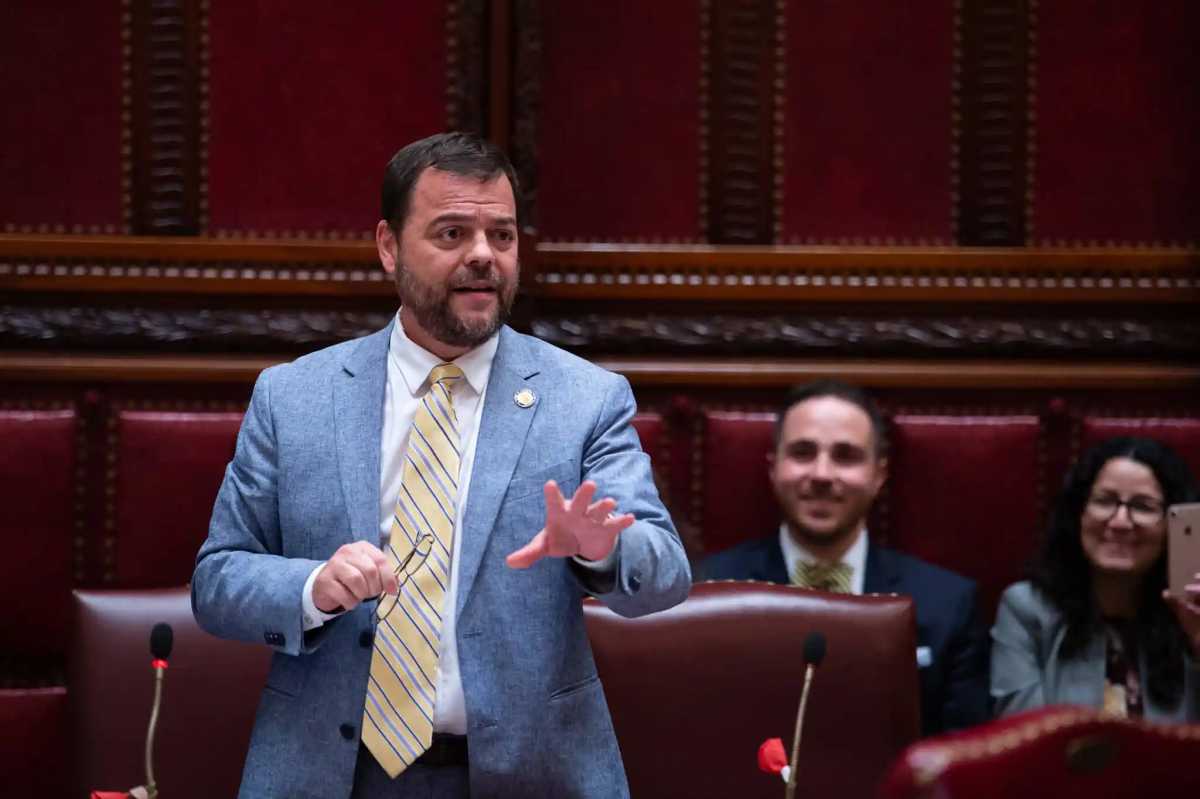
That vote is currently without a sponsor and in limbo under a Senate Judiciary Chair Luis R. Sepúlveda, who prefers a different bill for addressing the judicial cap. After the bill’s previous sponsor, Brad Hoylman-Sigal, left his Senate seat to become Manhattan borough president, it was left without any takers to champion the cause.
“Given the fact that it’s such a tight session with such limited time and the fact that there’s no Senate sponsor, as far as we’ve been told, there is really no path forward for the bill this year, unfortunately,” said Elizabeth Kocienda, director of advocacy for the NYC Bar Association.
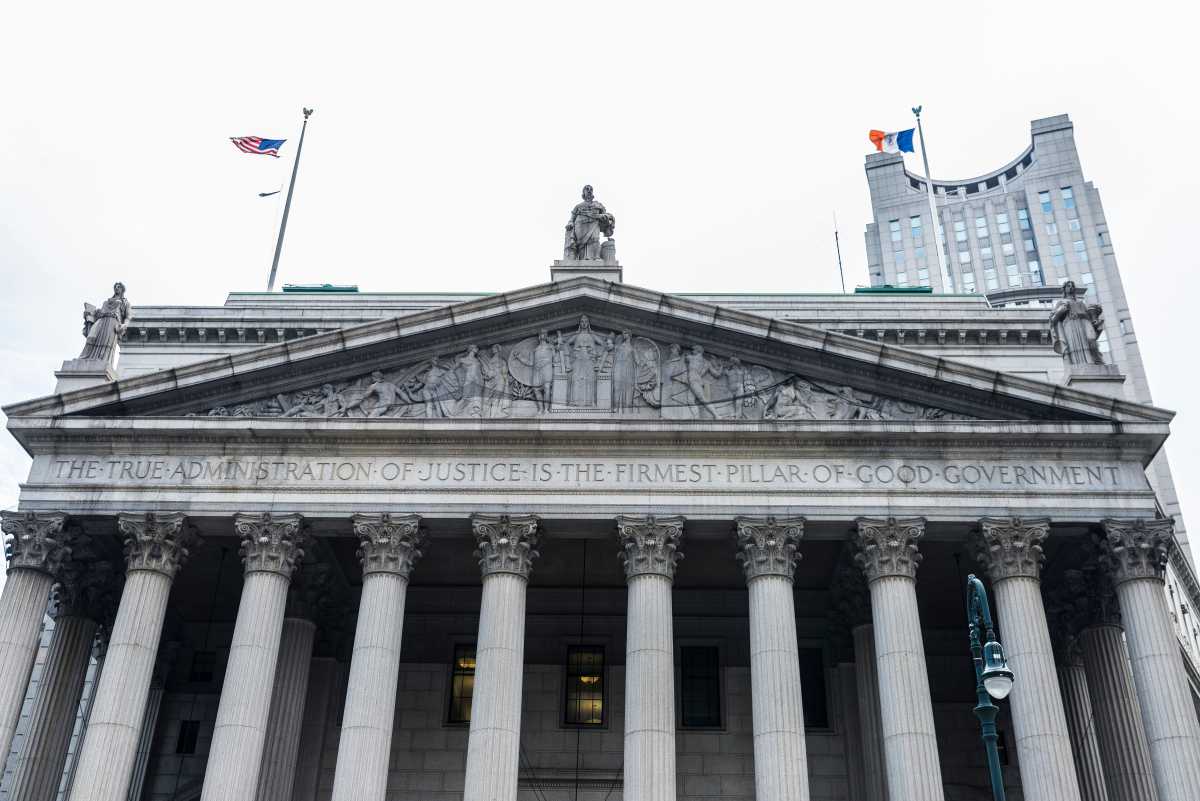 The exterior of the New York State Supreme Court in Manhattan.Photo via Getty Images
Due to the constraints of state law around constitutional amendments, which require them to be passed by two separately elected legislatures, the bill would have to start from square one if it doesn’t pass this session — meaning that its next opportunity to get on the ballot wouldn’t be for another three years.
Not opposed to judicial expansion, but wants more time to review
Sepúlveda insisted in a statement to amNew York Law that he was not in “opposition” to the bill, but that “this is a serious and complex measure that requires additional time for review and evaluation.”
He declined to explain what about the bill needs more time. The language of the bill has not changed since it passed both chambers in 2024, when Sepúlveda himself voted for it. He added he would not put the bill up for a committee vote because it lacks a state Senate sponsor.
The problems that the bill is meant to address are acute. This week, a trial lawyer and Supreme Court judge reported that in the Bronx, for instance, there are 2,358 pending cases for every state Supreme Court justice.
As it is now, the state constitution fixes the number of elected supreme court justices for each judicial district to a population-based formula of one justice for every 50,000 people. But the population-based cap has turned out too simplistic to grapple with the needs of certain judicial districts with higher case volumes.
In response, the Office of Court Administration has, over the years, increasingly depended on a workaround that designates judges from other civil and criminal courts to the Supreme Court as “acting” judges. The result is that judicial appointments and elections are more opaque.
An NYC Bar report concludes that this arrangement “has created a de facto permanent and large class of ‘Acting Supreme Court Judges’ sitting in a court other than the one to which they were either elected by the people or appointed by the relevant appointing authority.”
Though the power to change the number of justices might be stalled for now, there is a companion bill, the Timely Justice Act, with sponsors in both the Senate and Assembly, with the chance of passing this session.
That bill would require the judiciary to create detailed data of the state Supreme Court’s needs in each district and calculate the number of judges and justices in each court. It is also pending in the Assembly and Senate Judiciary Committees.