
JAMESTOWN N.Y. — President Donald Trump and the U.S. Environmental Protection Agency are loosening a federal rule that currently reduces powerful greenhouse gases used in refrigeration units at grocery stores.
What You Need To Know
The EPA and the Trump administration rolling back refrigeration rules
Leaders say the move will benefit grocers and shoppers at the checkout
One grocer says its too early to evaluate the impact
“Very, very important and good. The government has actually reassessed science. For the government to basically say, ‘look, the science behind this is pretty thin and the cost to our consumers in enormous,'” said Carl Schramm, an economist and university professor at Syracuse University.
Leaders say the reduced regulation will save grocery stores and families more than $2.4 billion, yet there is no word on how quickly that might happen.
“It’s real, and I suspect it’s understated by a lot, and it will happen very, very quickly. No, they won’t notice it dramatically at all, because it’s basically spread over the entire nation’s supply chain,” said Schramm.
The move rolls back part of President Joe Biden’s 2023 Technology Transitions Rule that limited chemical pollutants.
Opponents of the rule change say it will not cut grocery prices for shoppers in upstate New York, and instead could drive up the demand and price for older refrigerants.
“Any time there’s a reduction in government regulation of any kind, there are groups in Washington, with very powerful lobbies that will resist it,” said Schramm.
Spectrum News 1 reached out to a few grocery chains for comment on the rule change.
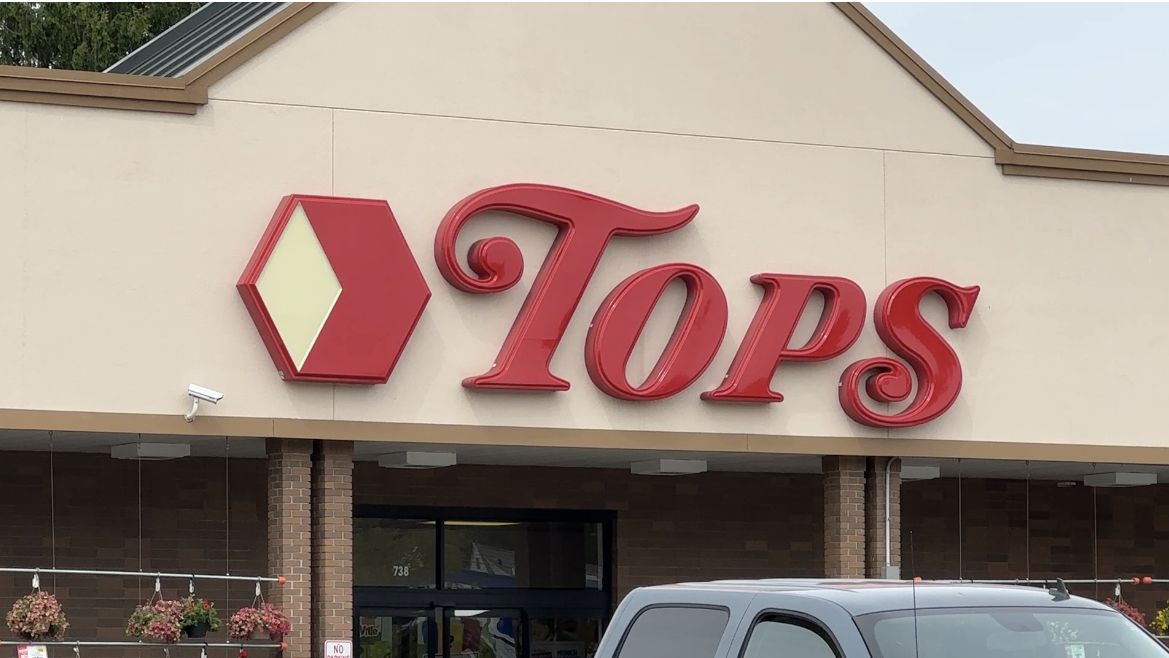
“We are still reviewing the details to better understand the potential impact on our business and operations. Refrigeration systems are a critical part of grocery retail, and any regulatory changes affecting equipment, compliance timelines, or operating costs are important to evaluate carefully. At this stage, it is too early to determine what these changes may ultimately mean for our stores, customers, or future investments,” Kathleen Sautter, director of Tops Friendly Markets corporate communications and public relations, said in a statement.
Critics of the rollback also say it could slow climate progress if more greenhouse gases are released.