
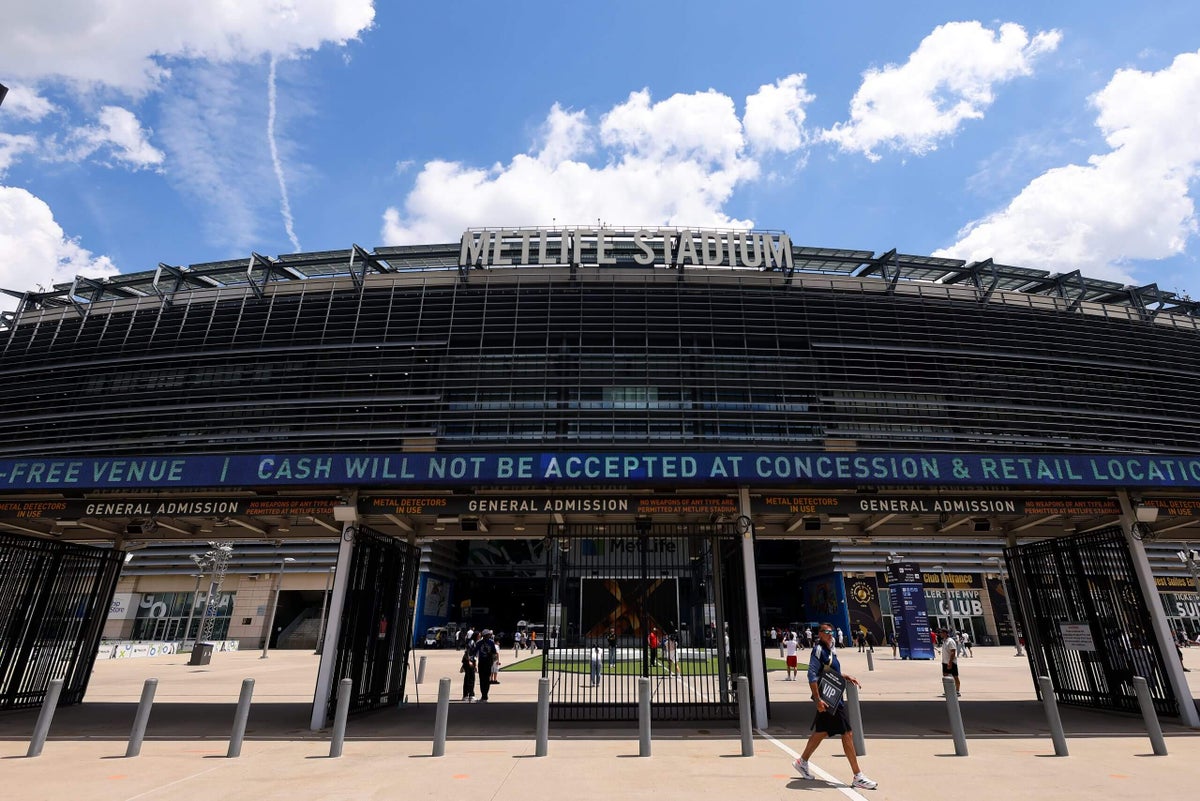
The attorneys general of New York and New Jersey have launched an investigation into FIFA’s 2026 World Cup ticketing practices, and have sent subpoenas to the global soccer governing body in what appears to be the most serious probe yet of a ticket sales process that has frustrated fans worldwide.
The offices of the two attorneys general, Letitia James of New York and Jennifer Davenport of New Jersey, said in a Wednesday news release that they are “specifically requesting details” about ticketing for MetLife Stadium’s eight games, which include the World Cup final.
“The investigation,” they said in the release, “will probe a range of issues that have arisen with FIFA’s ticketing process.” They cited complaints from fans who felt misled by stadium maps; FIFA’s creation of a higher-priced “front” row category after millions of tickets had already been sold; its opacity; and pricing generally.
They said they were getting “investigatory support from the New York City Department of Consumer and Worker Protection (DCWP)” as they subpoenaed information from FIFA. A subpoena is a legal order that seeks to compel, in this case, the release of internal info or documents.
The investigation is the latest twist in a monthslong ticketing saga that has colored the buildup to this World Cup.
FIFA, throughout the fall and winter, sold millions of tickets to the 2026 tournament in four categories. Its prices, the first point of outrage, were higher than prices for corresponding matches at every previous World Cup in every category. Even amid backlash, FIFA then hiked the prices from October to November, again after the World Cup draw in December, and again when a “last-minute sales phase” opened in April.
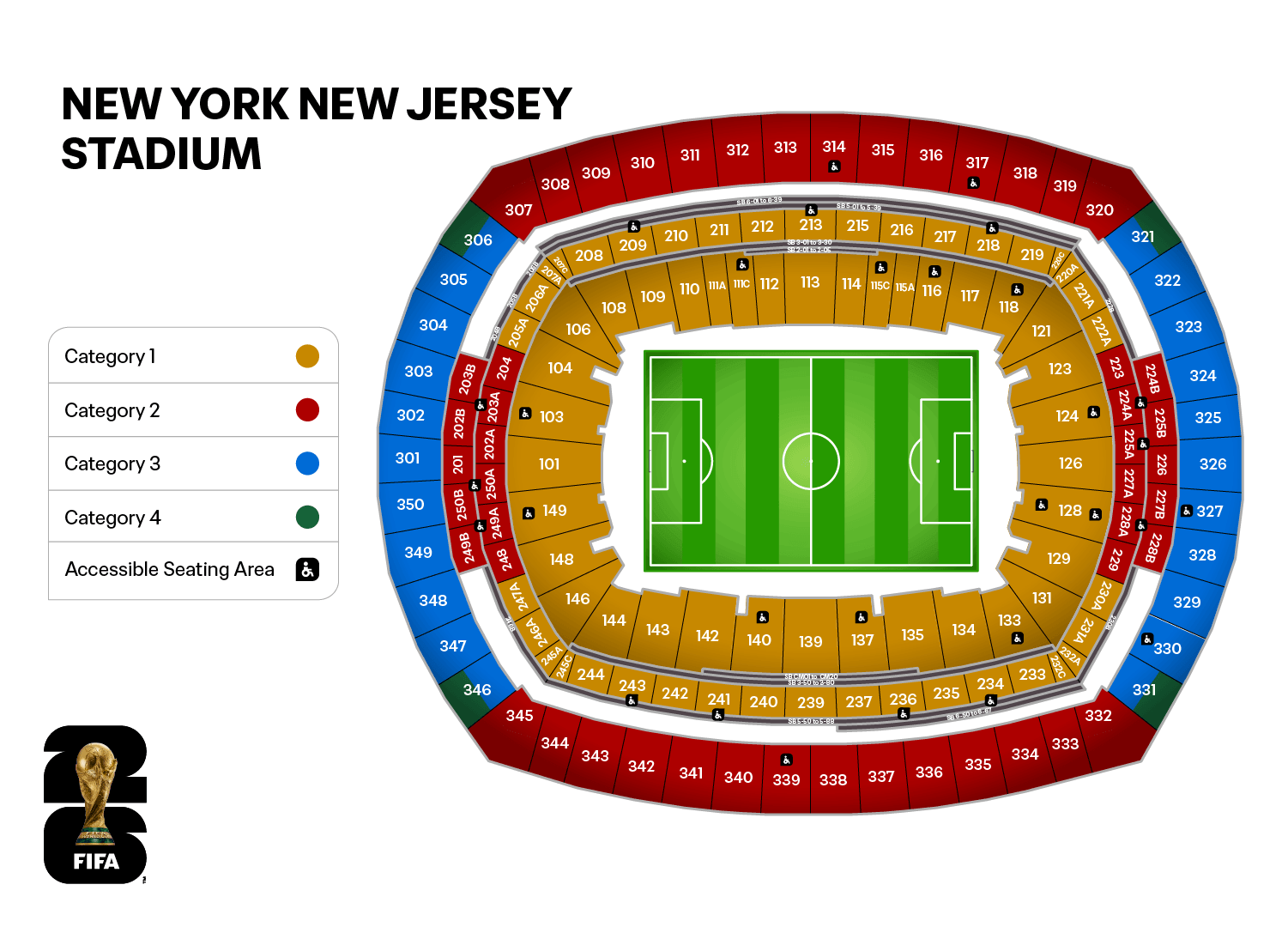
Each category, meanwhile, corresponded to a range of sections at each stadium, per color-coded maps embedded in the ticketing portal and published online. But, as The Athletic detailed last month, FIFA altered those stadium maps from one sales phase to the next. And in April, when it converted tickets to specific seats in specific sections, it assigned a minority of ticket buyers a seat that, in an earlier phase, had belonged to a different category.
Several fans told The Athletic that they felt “misled,” deceived or “scammed.” They also cited the fact that hospitality seating maps contradicted the standard seating maps, which falsely advertised some lower midfield sections as the possible location of Category 1 seats.
Fans also objected to how the seating maps suggested a Category 1 ticket could yield a seat anywhere in those lower bowls, when in fact FIFA was holding back some front-row seats to sell in April at prices that were two or three times higher — in a “Front Category 1” that had not previously been advertised.
MetLife Stadium, in East Rutherford, N.J., was not among the stadiums cited by fans in The Athletic’s April report about map changes. FIFA’s maps for MetLife — which will be known as “New York New Jersey Stadium” during the World Cup — did change, but the changes seemed to benefit some ticket buyers.
The other complaints, though, applied to most or all stadiums, including MetLife.
The map originally shown to ticket buyers suggested that Category 1 encompassed the stadium’s entire 100 level and 200-level sections along the sideline.
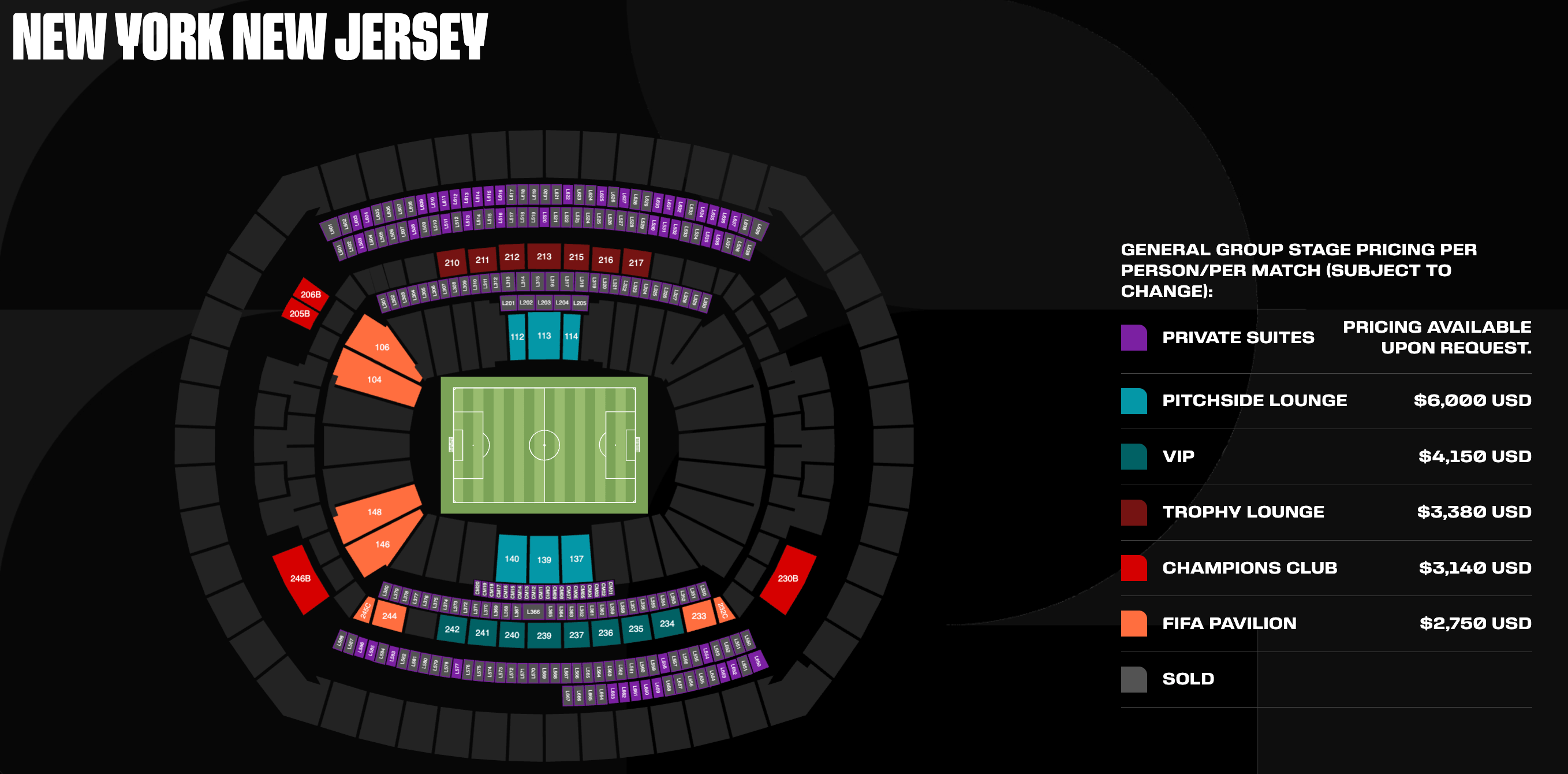
Separate maps, however, showed that the three midfield sections on each side of the 100-level, plus most of those prime 200-level sections, were being sold within hospitality packages that cost between $2,750 and $6,000 in the group stage, per a general pricing chart.
“Being honest about ticket sales is not complicated,” Davenport said in a statement. “But FIFA has turned buying a ticket to the World Cup into a gauntlet of confusion, fake scarcity, and impossibly high prices — all at the expense of consumers and hardworking New Jerseyans.”
James said in a statement of her own: “No one should be manipulated into paying sky-high prices for seats, and fans should be able to trust that the tickets they purchase will be the ones they receive.”
“New Yorkers and visitors from around the world deserve transparency and fairness when purchasing tickets,” Samuel Levine, the DCWP commissioner, added in a statement. “Reports of FIFA conduct in violation of the City’s Consumer Protection Law, including misleading fans about seat locations and artificially inflating prices, are deeply troubling. DCWP takes allegations of blatantly deceptive conduct very seriously and will not hesitate to take enforcement action. We are proud to work with Attorneys General James and Davenport in this investigation to help ensure FIFA’s ticketing practices at MetLife Stadium and beyond are transparent, and that soccer fans are not taken advantage of during one of the biggest sporting events on the planet.”
FIFA, in a statement last month responding to concerns raised by fans about the maps, said the “indicative category maps” were “to help fans understand where their seats could be located within a stadium. These maps were designed to provide guidance rather than the exact seat layout, and reflect the general extent of each ticket category within the stadium.”
FIFA’s “Ticket Terms of Use” also state: “Any visual representations of Ticket Categories on the Ticketing Website, such as Stadium maps and illustrations, are for guidance purposes only and may not reflect the actual layout and boundaries of a particular Stadium.”
Regarding prices, FIFA has consistently defended its approach as a reflection of North American norms and “extraordinary” demand, and noted that it reinvests much of the World Cup’s revenue in the development of soccer globally.
The Athletic has approached FIFA for additional comment.
The attorneys general did not put a timeline on the investigation. Given the possibility that FIFA could challenge the subpoenas, it’s unlikely that they will get a response before the World Cup kicks off on June 11.