
It’s the worst of all worlds for rank-and-file New York state Democrats heading back to their constituents next month.
There is a single week left in the legislative calendar and many state lawmakers have yet to see their priorities get a hearing in Albany. Even if a bill is brought to the floor for debate, any member, including any Republican, can set it aside, causing a further delay while the clock ticks down.
State Assemblyman John McDonald is in his 14th term as a lawmaker in Albany. He told Capital Tonight that every session is a little different, but this one is challenging.
“We are finalizing the state budget today or tomorrow, which will leave six legislative days until the end of the legislative session,” McDonald said. “In those days, we will move many bills that are important to individuals, communities and New Yorkers. However, the compressed time frame will prevent bills that require debate to not make it to the floor for consideration. That is a byproduct of this legislative session.”
The issue, which has been articulated here and here is that the governor in New York state holds much of the power in budget negotiations.
Blair Horner, long-time senior policy advisor and chief government watchdog for the New York Public Interest Research Group, calls the process “hostage-taking.”
“[Gov. Kathy Hochul] says I want to do the budget ‘til I get my non-budget items. She gets paid while that happens. The Legislature doesn’t, so she just grinds them down,” he told Capital Tonight. “The courts have ruled that the executive controls the budget process in a way that really, there’s no checks and balances in the New York state Constitution for the budget, so the governor is using all the tools she has to crunch the Legislature.”
Lawmakers seem tired of being “crunched.”
Over the last four years, state Assembly Speaker Heastie has been a vocal advocate for changing the process.
“I predicted this: If we were dealing with a budget with lots of conversations around policy, it was going to be late,” Heastie said in 2022.
In 2023, he told reporters that portions of the spending plan that year that actually dealt with spending made it possibly “the best non-policy budget I’ve seen in my 23 years in the Assembly.”
In 2025, the speaker introduced A7764, a proposal that would ensure lawmakers get paid if the April 1 budget deadline is missed and if the governor includes policy in the spending plan. He hasn’t mentioned the bill this year.
When asked if the speaker will be reintroducing the bill next session (or perhaps later this session), his spokesman Michael Whyland said it’s too early to say.
But Heastie, who has stated that his relationship with Hochul is good, has been clear that he is “not doing this process again.”
Last year, he told Capital Tonight that he believes the state Constitution should be changed, but “it would be a huge endeavor to undertake because it would be a campaign (between) the Legislature and the governor,” he said, noting it would be like inviting voters to watch and weigh in on a family fight.
The speaker may be recalling the last time the Legislature tried to amend how the budget process worked. It was a disaster.
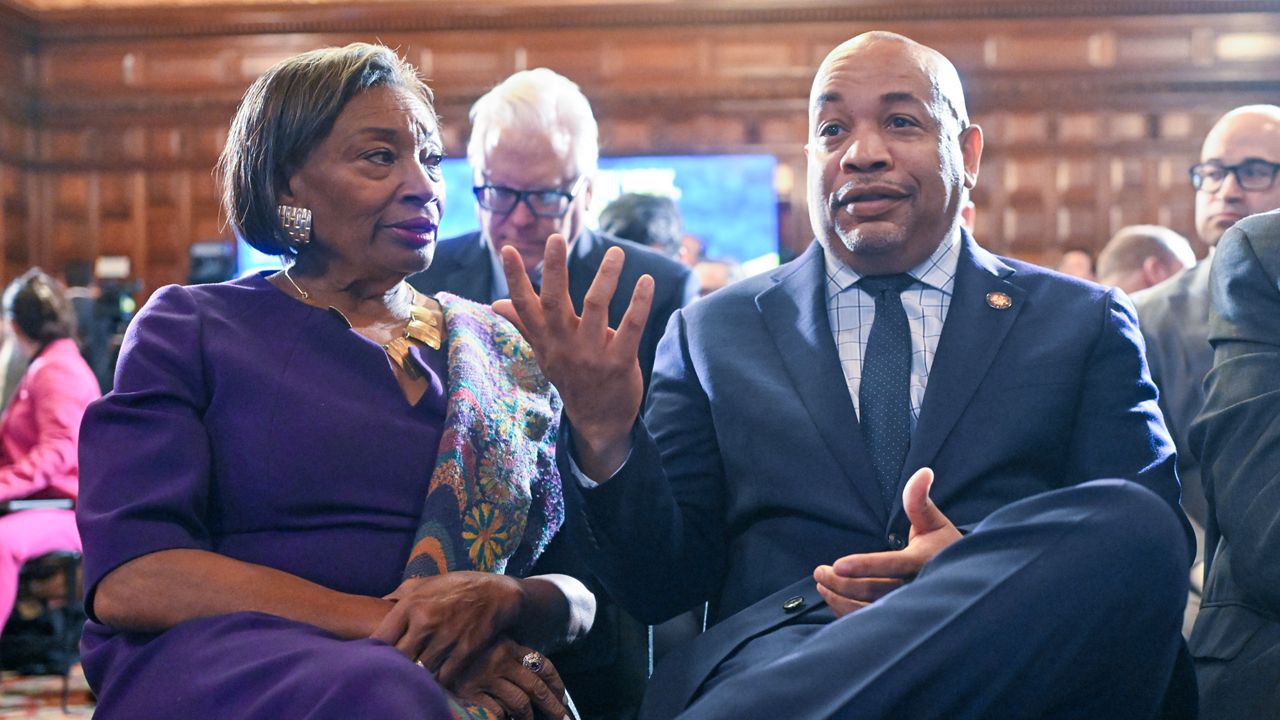
The question now is whether state Senate Majority Leader Andrea Stewart-Cousins is as fed up with the current process as her counterpart.
When asked if she would consider the speaker’s proposal, her spokesman Mike Murphy said, “I think there are a lot of options on the table, but the current process certainly needs to change and we will be discussing these options with the Assembly.”
According to the governor’s office, the process is a positive one that has allowed her to make changes to the state’s bail and discovery laws, provide inflation rebate checks and secure investments in affordable housing.
“The governor has repeatedly utilized the budget process to deliver for New Yorkers,” her spokesperson said in an email. “This year’s budget continues that progress and will mean lower care insurance rates, increased access to childcare, key public safety investments, energy affordability initiatives and a path to building even more affordable housing for residents across the state.”