
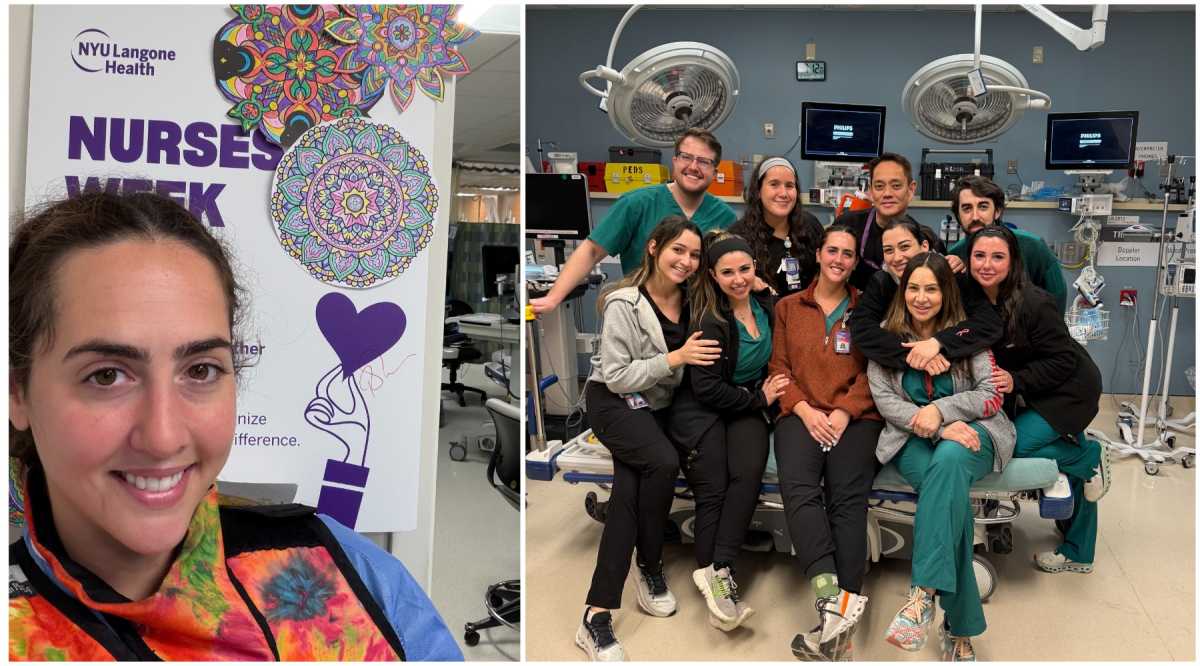
At 6 a.m., while much of Brooklyn is still waking up, Caitlyn Ecock is already inside the cardiac procedures unit at NYU Langone Hospital-Brooklyn, checking equipment, reviewing safety procedures and preparing patients for the day ahead.
For Ecock, nursing was never part of some grand childhood plan, but rather a slow revelation through a combination of science, caregiving and experience.
“I kind of just fell into it,” Ecock said with a laugh.
After studying biology as an undergraduate at Clemson University, she enrolled in an accelerated nursing program, eventually beginning her career on a medical-surgical unit before finding her footing in the emergency room.
“I feel like I really found myself in nursing when I worked in the emergency room,” she said. “That’s where I really learned the skills and saw the different sides of nursing.”
As communities celebrate National Nurses Month this May, nurses like Ecock represent the backbone of Brooklyn’s healthcare system — balancing long shifts, demanding work and the responsibility of caring for patients during some of the most vulnerable moments of their lives.
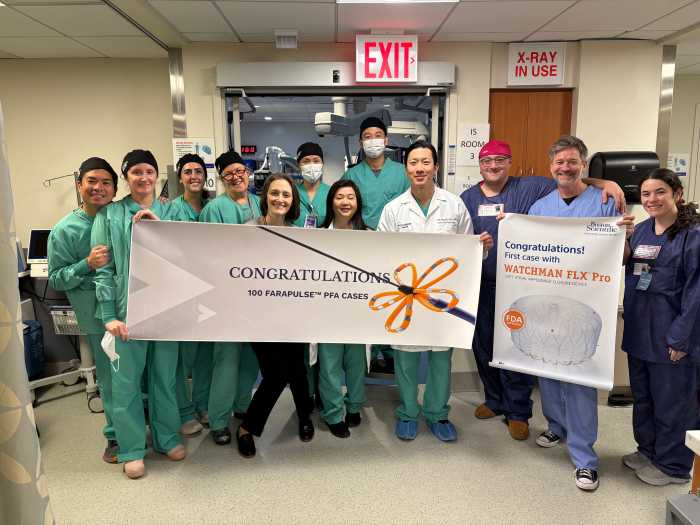 Caitlyn Ecock said she appreciates that she’s experienced different types of nursing specialties, from med-surg, emergency medicine and now cardiac procedures. Photo courtesy of Caitlyn Ecock
Growing up, Ecock said caring for others came naturally. She often helped look after her elderly grandparents, experiences that quietly shaped her future career path.
“I always liked science,” she said. “Once I thought about what I really wanted to do with my career, it kind of fell into place.”
That broad range of experience — from med-surg floors to emergency medicine and now cardiac procedures — has helped shape the way she approaches patient care.
“You get to see different points of the patient’s journey,” Ecock said. “On a med-surg unit, you’re helping transition them back into their life outside the hospital. In the emergency room, you’re seeing them at the start of hospitalization, usually during the most stressful moments.”
She said those experiences help her better understand how early care can impact long-term recovery.
“It is good to work in different units because you just get a more well-rounded view of what the patient experiences,” she said.
Today, Ecock works three 12-hour shifts each week in cardiac procedures, where the schedule begins before sunrise and can quickly change depending on emergency cases.
After arriving at 6 a.m., nurses prepare operating rooms, review equipment and begin prepping patients before procedures start around 7:40 a.m. Throughout the day, Ecock may help set up procedures, monitor patients during recovery or assist with emergency additions to the schedule.
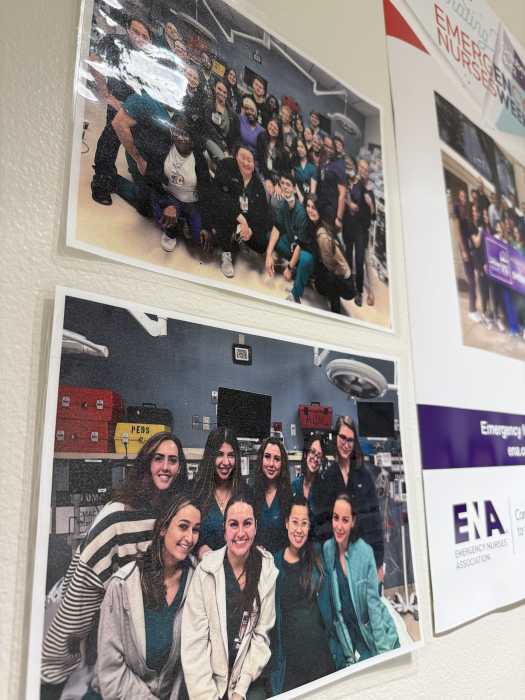 Ecock’s advice for new nurses during National Nurses Month? Always remember why you do it.Photo courtesy of Caitlyn Ecock
Though her days are long, Ecock said she has found a better balance working daytime shifts after previously working nights.
“When I worked night shift, it was very hard,” she said. “Your sleep-wake cycle is messed up, and it’s hard to engage with other people who are on a regular schedule.”
Outside the hospital, Ecock embraces quieter moments — spending time with her dogs, gardening, cooking, reading and visiting the beach whenever the weather allows.
During National Nurses Week, celebrated annually from May 6 through 12, Ecock said she appreciates the opportunity for nurses to recognize one another’s work.
“It feels like a stress relief at work because everyone’s excited about celebrating each other,” she said. “We all know nurses work very hard, and it’s nice to take a week to really pat yourself and your coworkers on the back.”
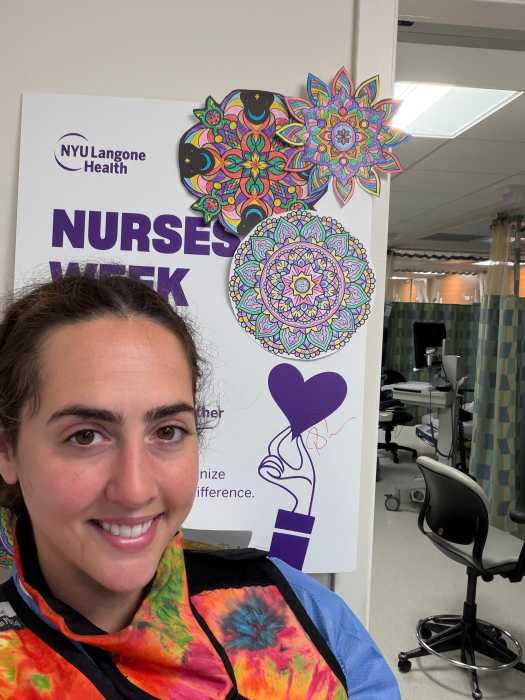 Ecock told Brooklyn Paper she is continuing her education to become a Nurse Practitioner.Photo courtesy of Caitlyn Ecock
Ecock is also continuing to build toward the future. She is currently pursuing a master’s degree to become a family nurse practitioner while continuing her work at NYU Langone Brooklyn.
“I found a unit that I’m really happy on,” she said. “It’s given me so much opportunity to learn and grow.”
As new nursing graduates prepare to enter the workforce this spring, Ecock offered simple but meaningful advice for those beginning their careers.
“Always remember why you do it,” she said. “On the other end of what we do is people and their families and their life and their story.”
In a profession often measured by compassion rather than numbers, she said, maintaining that connection is essential.
“It’s really measured in the care that you give,” Ecock said. “If you’re not able to connect to that, find a space that allows you to.”