
For immigrants and refugees arriving in a new country, the challenges go beyond paperwork and housing. Many are searching for community, identity and a sense of belonging — and increasingly, religious congregations are stepping up to help.
Across faiths and denominations, houses of worship have become some of the most important support systems for the newly arrived.
“Faith isn’t just one part of their life. I think it forms the framework of who they are. It’s those faith communities that really help them find themselves again,” said Chris Foley, president and CEO of InterFaith Works of Central New York.
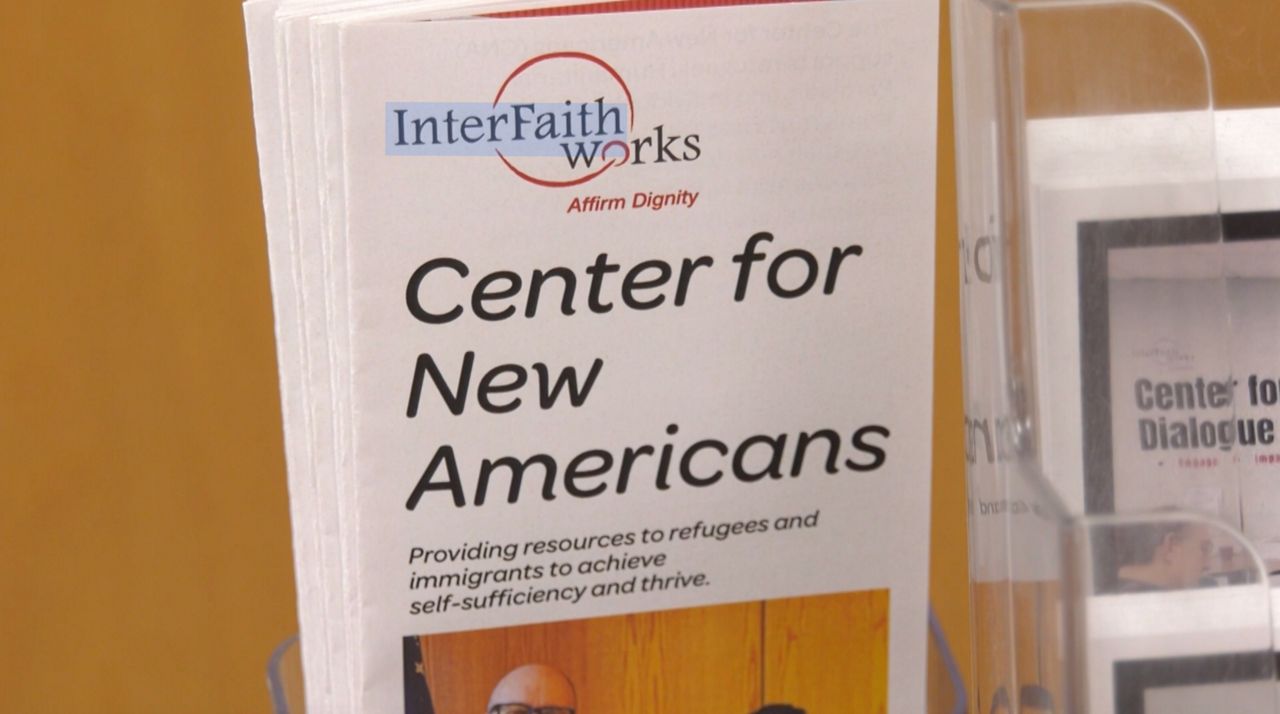
Foley’s organization has worked with refugees for nearly 50 years, helping newcomers find housing and jobs, enroll children in school and navigate systems that can feel completely foreign.
“If you could imagine yourself being dropped into a country where you don’t speak the language, it’s completely foreign to you, everybody might look different from you, you’re not sure what’s going on around you, you’re not sure how you should be responding and acting. That’s what we’re here for,” Foley said.
While programs and services matter, both Foley and religious leaders say it is the spiritual community that provides something no government program can replicate.
“What they’re looking for when they come to a new country, a new community, is people, not just to really worship with, but people to watch their kids if they need to run out to the grocery store. They need the support system that those of us born and grew up in the United States have much more easily at our fingertips,” said Rabbi Wendy Love Anderson of Temple Israel in Albany.
Love Anderson says the obligation to help immigrants is not simply an act of goodwill, but a moral imperative rooted in religious tradition.
“Almost every religious tradition understands itself as giving the people who participate in it ethical commandments, ethical obligations, ethical responsibilities, one of them especially towards your fellow human beings. There is a real obligation, a real central importance to caring for those in need,” Love Anderson said.
With immigration policy generating intense national debate, both leaders say the role of congregations as safe, welcoming spaces has become more critical than ever.
“It’s more important than ever for our religious communities to support immigrants who are often really the backbone of many of our larger communities,” Love Anderson said.