
Photo: Spencer Platt/Getty Images
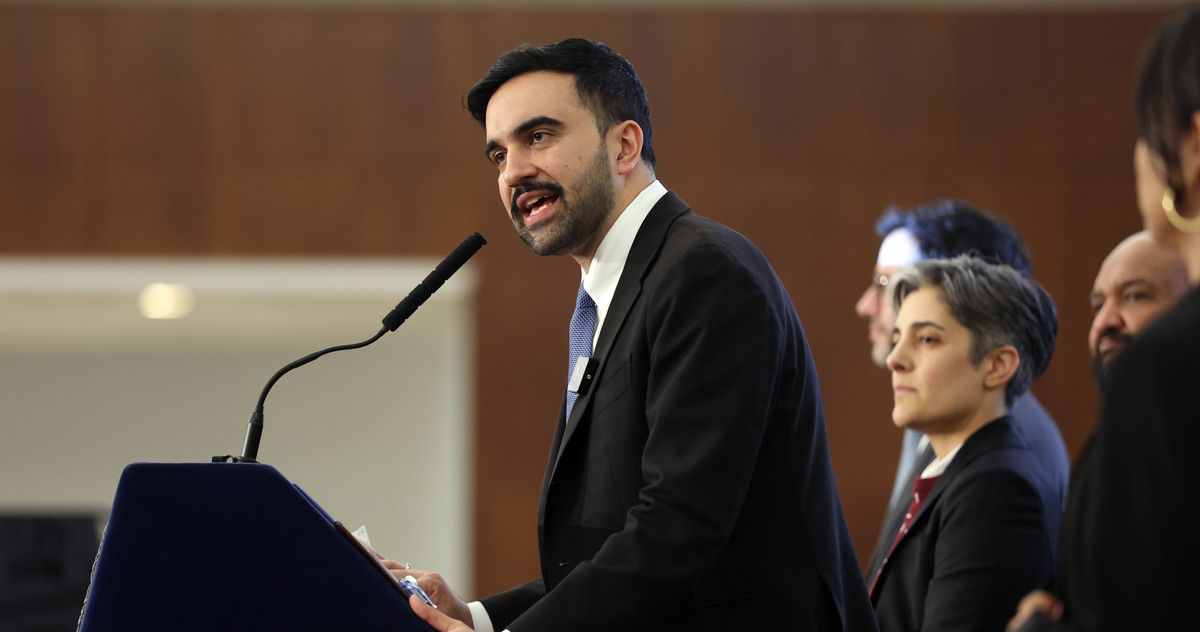
Mayor Zohran Mamdani needs to make some big changes before moving forward with the City Council’s well-intentioned but flawed effort to steer more distressed housing into the hands of nonprofit building managers. The Community Opportunity to Purchase Act, part of a batch of bills vetoed by ex-mayor Eric Adams on his final day in office, has been reintroduced and will likely come up for a vote later this year — but it will need guardrails to keep swindlers and bunglers from making the city’s housing crisis even worse.
“Every year, tons of buildings change hands and rents go up and working families are displaced. Many times, buildings with many violations get new owners and those violations don’t go away,” City Councilwoman Sandy Nurse, lead sponsor of the bill, told me. “Under COPA, nonprofits would get a 20-day shot at putting down an offer and acquiring those buildings, getting them fixed up, keeping the rents low, and keeping these families here. The goal here is to create an opportunity for mission-driven community organizations that provide housing to have a shot to compete in a very hot all-cash market.”
Nurse’s bill, which has 27 co-sponsors, would restrict landlords from simply selling their building on the open market; instead they would have to notify the Department of Housing Preservation and Development and a list of approved nonprofits that would be allowed to bid on the property before any other potential buyers. Should the seller choose to sell to a private buyer, the nonprofits would also have to be informed and given a chance to match the offer.
By giving nonprofit groups or building tenants early and exclusive access to buying distressed properties, New York would be following in the footsteps of other big cities, including San Francisco, Washington, Chicago, and multiple cities in Maryland. But it’s important to note that those jurisdictions have seen mixed success: A year after Chicago passed a law giving tenants a right of first refusal to purchase property, two of the first three efforts failed and a third is currently in process.
And community leaders in San Francisco estimate that COPA enabled nonprofits to purchase 436 homes over a five-year period, preserving affordable housing for more than 1,000 residents, a skimpy result in a market in which median home prices are now $1.7 million, the highest in the nation. There’s also a question of cost: A report by the Furman Center at NYU found that “a lack of resources and a lack of capacity within the qualified not-for-profit sector and within existing preservation programs also make it unlikely that this sector can meet the demand” for deals in a city that sees an average of 6,000 buildings a year sold.
But the biggest challenge with creating a New York COPA program is our city’s bad habit of letting the wrong people acquire control of buildings, contracts, and billions of dollars that never quite reach the working families they are supposed to be helping.
On April 14, Malcolm Punter, the longtime CEO of Harlem Congregations for Community Improvement, was arrested and sent to Rikers Island after tenants sued and multiple judges found the group in contempt for failing to make repairs on a 22-unit apartment building run by the organization and plagued by mold, rodent infestation, and a sewage leak. Harlem Congregations has received more than $450 million from federal, state, and local government to develop over 4,000 units of housing, according to Gothamist.
A month before Punter’s arrest, in a separate case, federal prosecutors charged four people with allegedly running an embezzlement and kickback scheme at BHRAGS Home Care Corporation, a nonprofit with hundreds of millions in city contracts that recently expanded from providing home-care services to managing homeless shelters. Prosecutors accused the group’s executive director and board chairman of stealing $800,000 in funds that were supposed to be used for “economic growth and affordable housing” in Central Brooklyn.
And the list goes on. In 2022, the CEO of the Bronx Parent Housing Network, Victor Rivera, was sentenced to federal prison for bribes, kickbacks, and self-dealing at one of the largest shelter operators in the city. A New York Times investigation found, among other things, complaints from clients and staff members that Rivera engaged in sexual misconduct and financial shenanigans. Frank Boswell, CEO of the now-defunct Bushwick Economic Development Corporation, took millions in public funds but ran substandard shelters and paid himself more than $650,000 a year, more than triple the amount he disclosed on official forms, according to an investigation by the city’s Department of Investigation reported by the New York Post.
“We don’t want corruption in city government, but the fact of the matter is we have a housing crisis and we are relying on organizations to help us combat that,” Nurse said when I raised the problem of corruption in the nonprofit sector. It reminded me of the plaintive response from Mayor Bill de Blasio when evidence emerged of rampant corruption among operators who’d received huge emergency contracts to run shelters during the COVID pandemic.
“There are only so many organizations that provide the services,” de Blasio said at the time, according to the Post. “It’s not as simple as just get rid of everyone who does anything wrong anytime they do it — because there would be very few [providers] left.”
Two mayors later, New York faces the same dilemma. A Department of Investigation report in 2021 and another in 2024 found that the city has lax procedures for vetting and monitoring contracts with social service and housing nonprofits. Until those weaknesses are fixed, expect more scandals to contribute to the housing crisis rather than cure it.
Our city’s large charitable sector is full of innovative, commendable organizations that deserve all the help we can give them; every year, I publish a list of a dozen or so groups that I personally support. But the lure of public money regularly attracts schemers and scammers who secure millions in public dollars and then deliver little or nothing in the way of results. They must be identified, defunded, and kept far away from any new housing program for Mamdani and the Council to have any realistic chance of success.
Sign Up for the Intelligencer Newsletter
Daily news about the politics, business, and technology shaping our world.
Vox Media, LLC Terms and Privacy Notice