
 4 min read
Take a trip to New York City, and you’re almost certainly bound to stumble upon a frenzied rat scurrying across a subway platform, or spot one of the creatures slinking into a gap in a sidewalk curb. That’s because rats have taken over the Big Apple, and plenty of other urban centers across the world.
It’s a problem that’s plagued the U.S.’s largest city since the mid-1700s, when Greater Mongolia’s native brown rat made its way to North America on commercial and passenger ships. After humans, rats are the most populous mammal on the entire planet, and they inhabit every continent (except for Antarctica). In NYC, government officials and pest control experts alike continue to look high and low for the best ways to deal with the relentless rat population that continues to skyrocket in number.
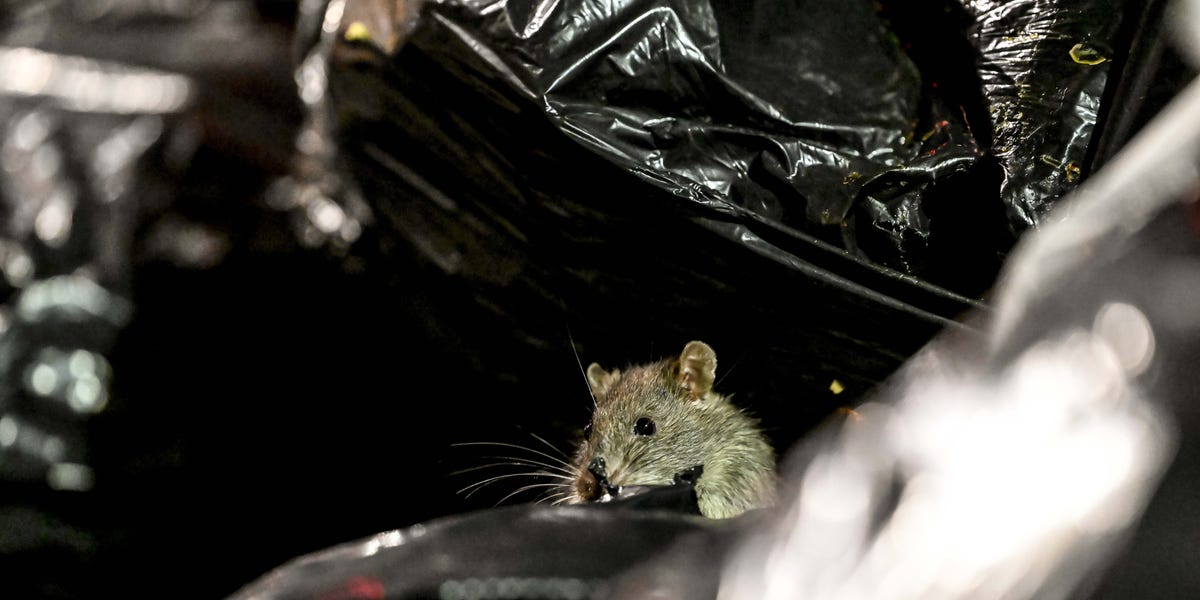
So where are all of these rats still coming from—and what’s keeping them around? Look no further than the plastic bags of trash scattering the streets of New York to better understand one of the biggest contributing factors to the rat takeover in the city.
In this skin-crawling Popular Mechanics feature, pest management experts explain why the prolific use of plastic trash bags for waste disposal across the city has led to an explosion in rat populations throughout New York. Sure, those black garage bags aren’t the only culprits for the rapid growth of the city’s rat count, but some policy changes could help address the pest problem—and put the rat’s reign to rest.
Read the Feature Assured to Give You Goosebumps
There’s a reason why you may find a rat skidding across a city restaurant floor, or even one peeking out of a hole in your NYC apartment kitchen. The brown rat lives off of stealing food from other animals—a.k.a. humans. And an average adult rat doesn’t need much sustenance to survive, just an ounce of water and an ounce of food per day. That could look like a few sips of water from a leaky tap and a meal of crumbs from a discarded potato chip big.
And while the rest of the city sleeps, the rats come alive for feeding time. The nocturnal scavengers typically build their nests within just 100 feet of known and consistent food sources, and using their sense of smell, they navigate the darkness to find their late-night meals. This happens like clockwork in the streets of New York, and you can see evidence of it in the torn-up plastic garbage cans and chewed-on food packaging littering the grounds and sidewalks.
But the nightly rat feast didn’t always exist in the city. New Yorkers used to largely utilize metal trash cans for disposing of their garbage on the streets, and lids sealed the containers tight. That all changed in 1971, when the New York City Council decided to swap the secure containerization of trash for plastic bags. To the delight of sanitation workers, the lighter, easier-to-move bags made for more convenient pick-up—and to the delight of rats, it made finding food much simpler.
In 1969, a survey showed that rats inhabited 11 percent of the city. Today, according to Bobby Corrigan, Ph.D., a world-renowned rodentologist, that number likely sits at an astounding 90 percent. It’s a big reason why Corrigan, who consults with city officials across the U.S. on pest management practices, says bringing back containerization could keep the rats at bay. “No garbage, no rats,” Corrigan says.
But that’s easier said than done. Political red tape and budgeting concerns have made containerization for waste challenging to establish. While former NYC Mayor Eric Adams’ administration said in 2023 that 89 percent of the city could realistically replace plastic bags with bins and cans, they forecasted it would come at a huge cost—millions of dollars, for that matter.
That’s not to mention the hundreds of thousands of parking spots government officials said trash bin usage would eliminate, as well as the funds the city would need to increase trash collection frequency. Some neighborhoods have received fully-enclosed, trash-compacting bins called Bigbellys piloted by New York, but they’re rather expensive at $7,000 a bin, and are regularly damaged by vehicles, pedestrians, and overflowing trash.
So what are pest experts like Corrigan doing to circumvent those challenges? Passionate grassroots work. They’re hitting the NYC streets, talking to restaurant owners, home renters and owners, and health department inspectors to educate them on integrated pest management. Community members can even take a free course called Rat Academy, which helps New Yorkers learn about how they can best mitigate rat infestation in their homes and businesses.
Will New York City ever be rat-less? Not a chance. But that doesn’t mean the city’s residents can’t stop the rodents from encroaching on their spaces. A simple reform to New York’s waste management system could be the best ticket to a cleaner, less rat-ridden city, but until that happens, the rats remain king in NYC.
Curious about the rat rampage wreaking havoc in the Big Apple? Scamper over to Pop Mech’s full feature to see how New Yorkers are fighting back against the pests that just can’t seem to go away.

Ashley is Editor of Content Hype at Hearst’s Enthusiast & Wellness Group. She is a former collegiate runner at UNC Asheville where she studied mass communication. Ashley loves all things running; she has raced two marathons, plus has covered some of the sport’s top events in her career, including the Paris Olympics, U.S. Olympic Trials and multiple World Marathon Majors.